The Senate confirmed Keith Sonderling as Labor Secretary in a 47–41 vote amid Democratic warnings that his leadership will accelerate rollbacks of Biden-era worker protections. The department has rescinded an overtime rule and is moving to undo a regulation on independent-contractor classification, while Democrats raise alarms about political interference and the firing of BLS Commissioner Erika McEntarfer. Lawmakers also pressed the department on AI’s workforce impact, urging better data and stronger apprenticeship and training programs. The newsletter also highlights states’ fuel-tax suspensions, a tight New Hampshire Senate race, 3.4% PCE inflation year-over-year, and NRDC opposition to legal challenges against the EPA’s lead-pipe rule.
How Deep Will Keith Sonderling’s Influence Run at Labor? Senate Confirms Him 47–41
Just How Bad Will Trump’s New Labor Secretary Be?
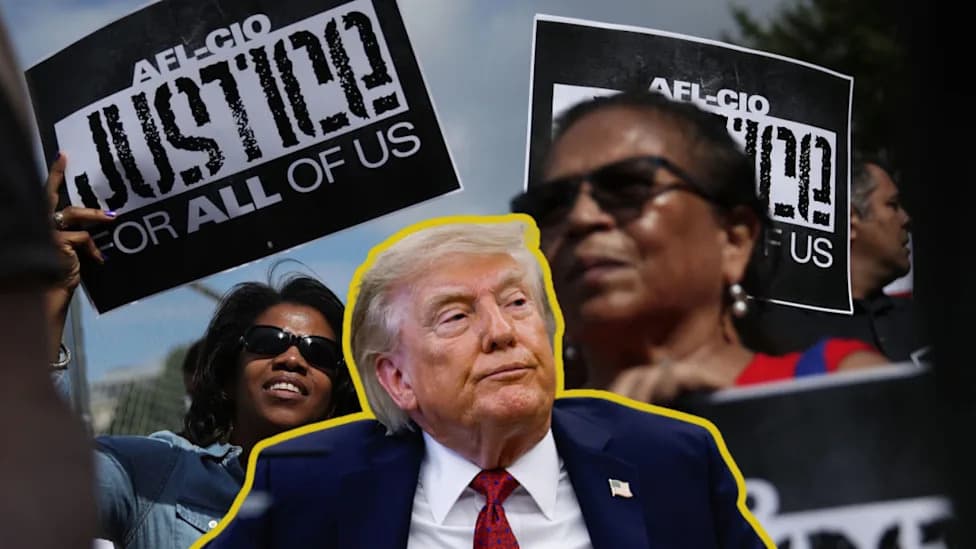
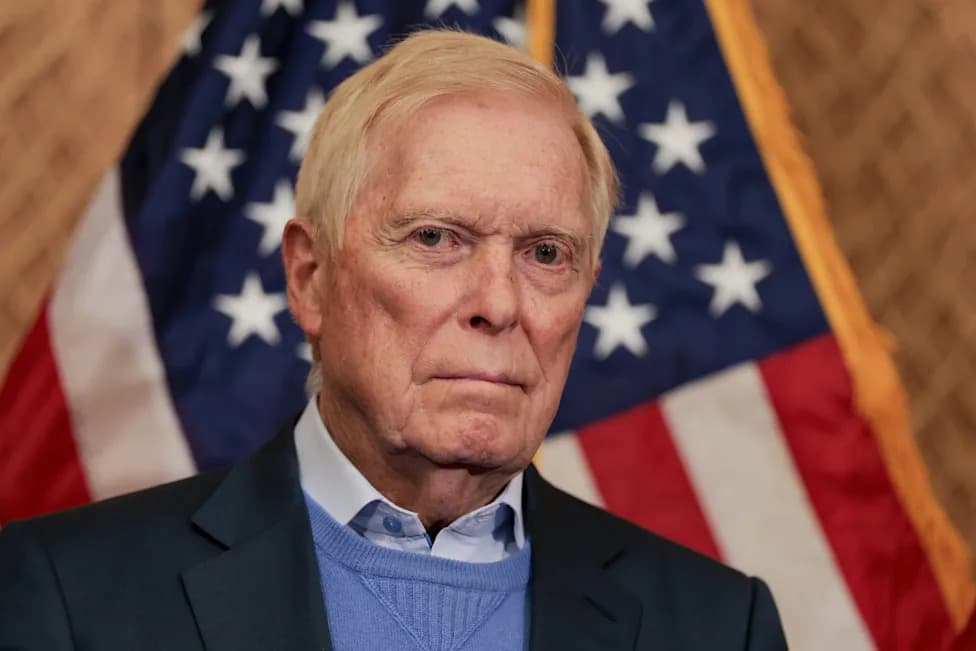
The Senate confirmed Keith Sonderling as secretary of the Department of Labor in a 47–41 party-line vote, a move that Democrats say signals further rollbacks of Biden-era worker protections. Sonderling had been serving as acting secretary since April after then-Labor Secretary Lori Chavez-DeRemer resigned amid allegations of travel fraud and a toxic workplace; an Office of Inspector General report released in September corroborated those findings.
Rollbacks and Controversies
Since taking the reins, the department has reversed or moved to unwind several Biden-era policies that labor advocates and Democrats view as pro-worker safeguards. In May the department rescinded a Biden administration overtime rule, and it is pursuing the rescission of a separate rule that clarified how independent contractors are classified. Lawmakers also cited the Trump administration’s broader purge of federal workers and the August 2025 firing of Bureau of Labor Statistics Commissioner Erika McEntarfer after a weak jobs report as additional causes for concern.
“You are not a bystander to this administration's anti-worker policies and agenda,” said Senator Patty Murray (D-WA) during Sonderling’s HELP Committee hearing.
AI, Data Gaps, and Workforce Training
Senators pressed Sonderling about how the department will respond to rising anxiety over artificial intelligence and potential job displacement. Lawmakers want better data on AI’s real impact on job loss and transitions, and they are urging the Bureau of Labor Statistics to expand collection on AI-related workforce effects. Sonderling told the Senate Health, Education, Labor and Pensions Committee that the department has asked the BLS to study these issues, but few concrete results have yet appeared.
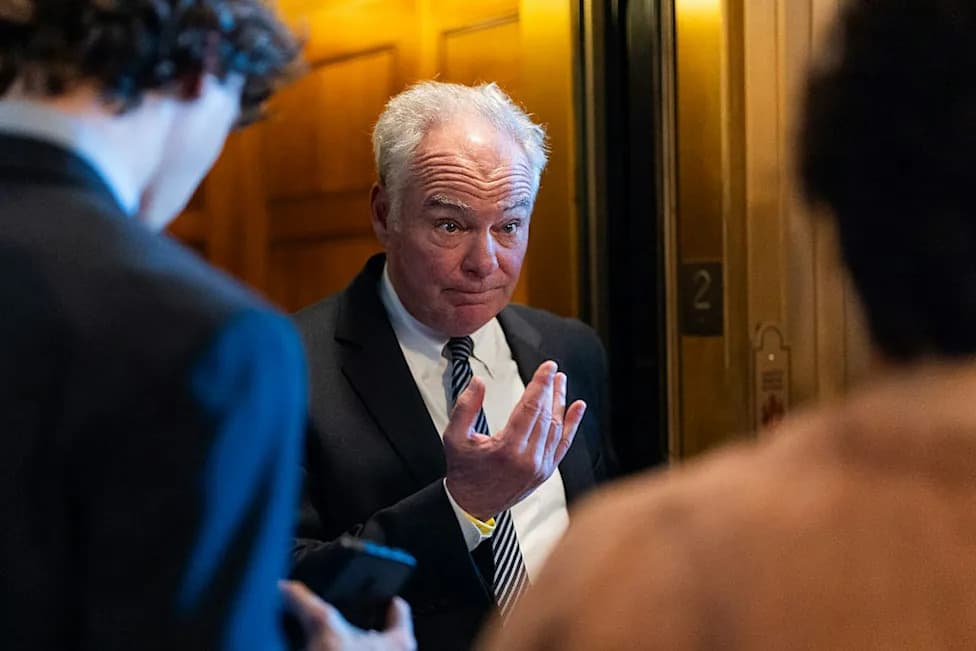
The department has launched a short "Make America AI-Ready" mini course intended to boost basic AI literacy among workers. Labor advocates remain skeptical, asking whether such training will improve workplace safety, job quality, or access to high-quality union positions. Senator Tim Kaine urged a stronger focus on apprenticeships and robust workforce training to help workers transition amid technological change.
State Fuel Measures and Broader Economic Notes
Governors across several states have enacted temporary measures to lower fuel costs this week: Indiana extended a suspension of gas use and excise taxes through Nov. 4; California ended its summer gas-blend requirements early; Georgia temporarily suspended its gas tax; Texas issued a 30-day disaster declaration to relax diesel restrictions; and Ohio lawmakers approved a 90-day suspension of the state gas tax. Wall Street banks have raised near-term gas-price forecasts as the prospects for a peace deal with Iran have dimmed, a development that has Republicans concerned about voter anger over fuel costs.
Campaigns, Inflation, and Environmental Policy
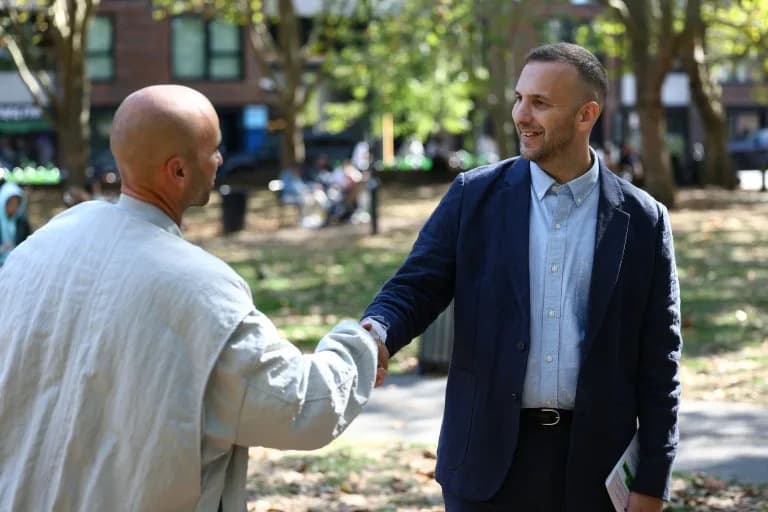
In New Hampshire, Rep. Chris Pappas’s Senate race against John Sununu remains tight: Pappas holds a narrow polling lead but is being outspent statewide. AdImpact data cited by the Associated Press shows Republicans outspending Democrats $41.2 million to $35.4 million in the state.
The Bureau of Economic Analysis’ personal consumption expenditures (PCE) report showed PCE inflation up 3.4% year-over-year from August 2025 to August 2026, while the economy has grown at an annualized 2.4% rate so far this year. Groundwork Collaborative chief economist Breyon Williams described the data as evidence of a bleak economic picture for households seeking relief.
On environmental policy, the Natural Resources Defense Council and allied groups criticized water utilities that are challenging the Biden EPA’s rule requiring removal of lead pipes, calling the utilities’ lawsuit “on the wrong side of history” and stressing the public-health benefits of replacing lead plumbing.
Bottom Line
Senate Democrats opposed Sonderling on multiple fronts: policy rollbacks on overtime and contractor classification, concerns about politicization of federal agencies, and what many view as an underwhelming response to the growing AI challenge for workers. His confirmation sets the stage for a Labor Department that, at least initially, appears aligned with the administration’s deregulatory and business-friendly priorities.
— Emma Janssen; reporting by Heather Souvaine Horn and Michael Tomasky
Help us improve.