Social media's DIY boom is helping to normalise home improvement skills among women, inspiring some to try projects themselves and others to retrain as tradespeople. Influencers such as Jasmine Gurney and tradespeople like Bliss Cunneen show practical examples, while platforms such as TaskHer are making it easier to find and hire female tradies. Survey data shows Gen Z women are especially engaged, but women still represent only a small share of the construction workforce, so visibility and training remain vital.
'I Like Proving People Wrong': Women Reclaim DIY And Move Into Trades
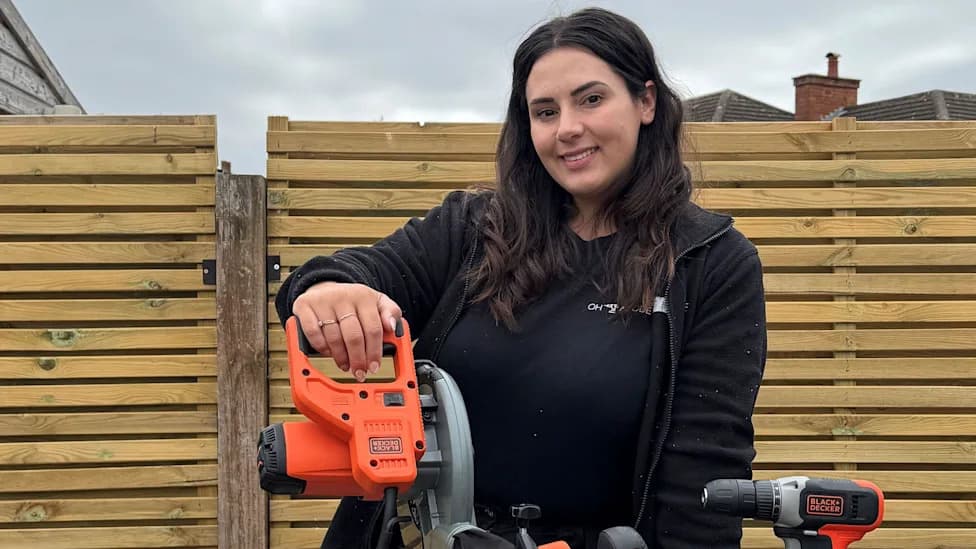
Jasmine Gurney says her DIY social media posts took off during Covid lockdowns [Jasmine Gurney]
Social media has sparked a surge in DIY content over the past decade, helping to normalise home-improvement skills for people of all genders. Short reels and in-depth video guides now sit alongside practical trades advice, and female creators are playing a leading role in encouraging other women to take on projects — and, in some cases, entire new careers.
Jasmine Gurney: Projects, Parenting And Proof
DIY influencer Jasmine Gurney has documented a long list of major home projects on Instagram: removing partition walls, replacing flooring, installing a fence, insulating and boarding a loft, building an outdoor workshop, crafting bespoke cabinetry, moving plug sockets, making her son a first bed and constructing a treehouse. Now eight months pregnant, the former marketer is racing to finish a fitted wardrobe before her new baby arrives.
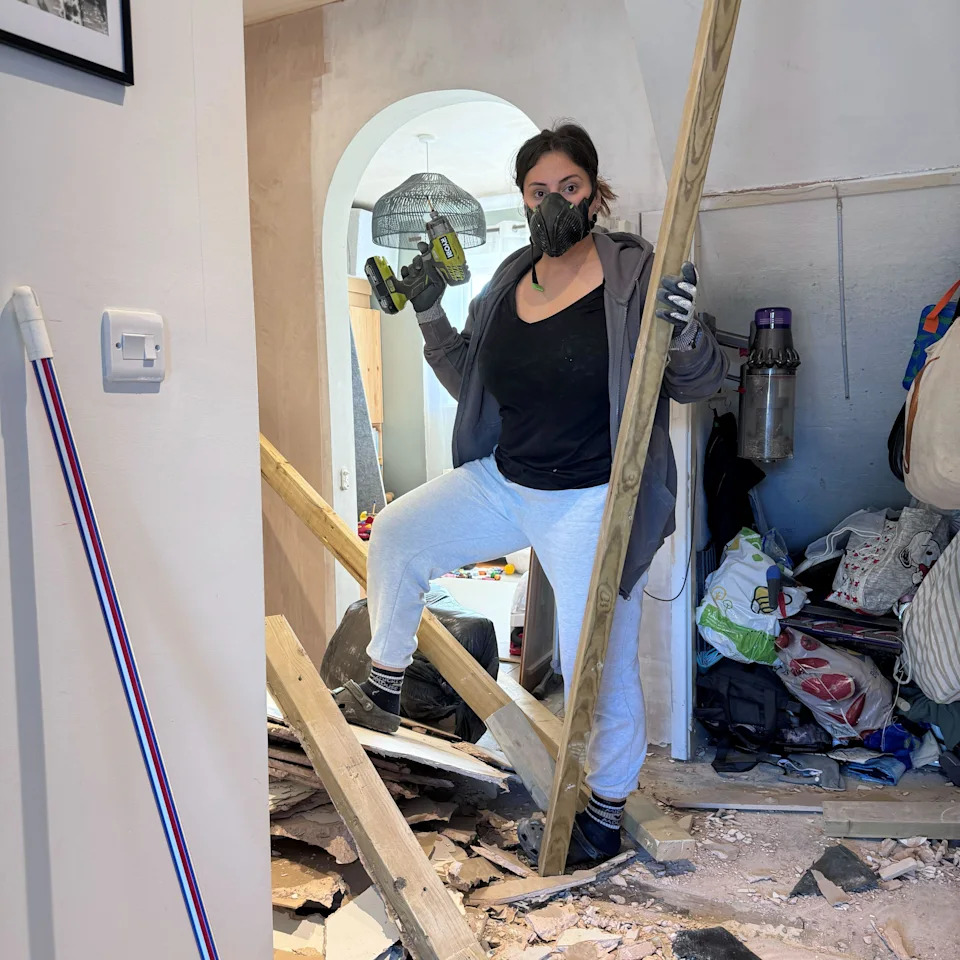
Jasmine hopes she can inspire other women to give a project a go [Jasmine Gurney]
'I like proving people wrong,' says Jasmine, 33, from Bedfordshire, adding that online critics who question her techniques only spur her on. 'I'm showing and empowering other women to do it.'
Jasmine credits part of her growth to the Covid lockdowns, when homeowners had limited access to tradespeople and turned to online learning. She also points to a persistent shortage of trades professionals and rising household costs, which have kept interest in DIY high.
From Hobby To Trade: Real-World Examples
Not every woman featured on social feeds is just a hobbyist. Bliss Cunneen left an anthropology degree in 2020 to train as a plumber and now runs her own plumbing business. The 28-year-old from south London says the trade gives her flexibility and autonomy. Bliss has sometimes encountered scepticism from customers — once being mistaken for a receptionist — but says competence on the job quickly changes perceptions.
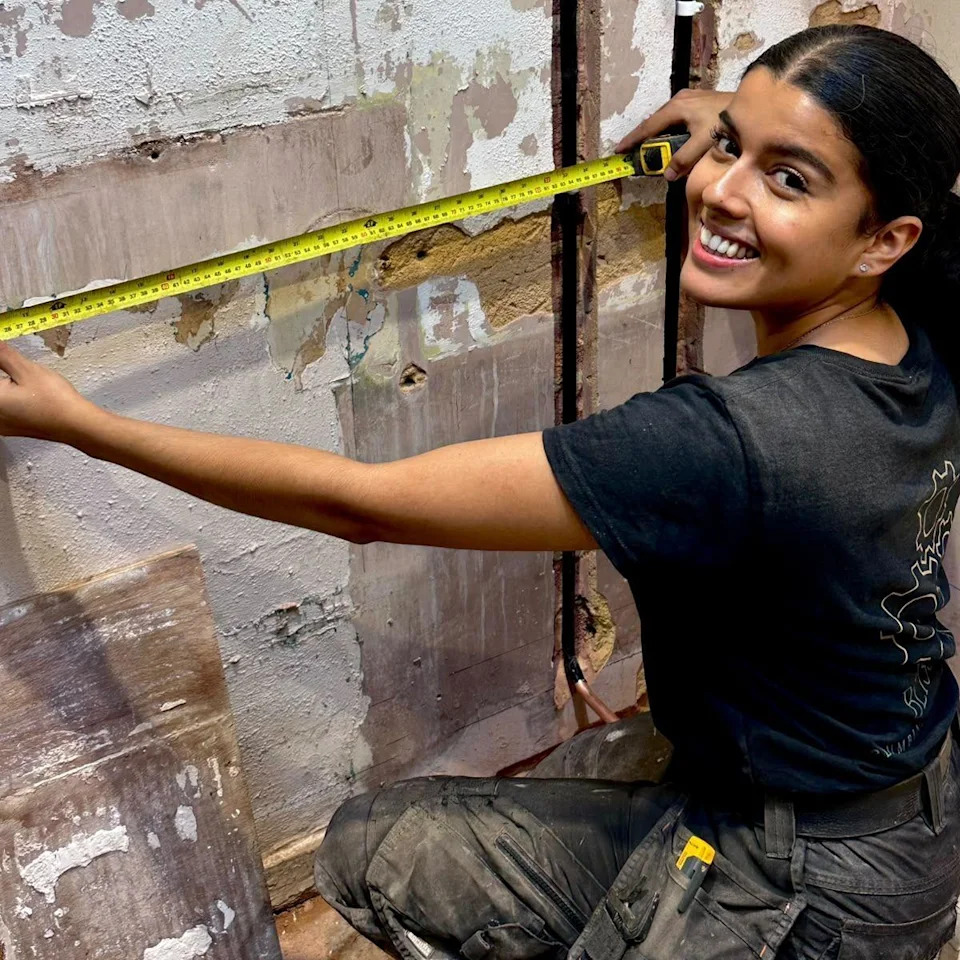
Bliss, 28, loves the freedom and flexibility of running a plumbing business [Bliss Cunneen]
Platforms And Progress: TaskHer And Beyond
Anna Moynihan founded TaskHer, a platform connecting customers with female tradespeople, after repeatedly experiencing tradesmen addressing her husband rather than her. Five years ago she struggled to find stock images of tradeswomen and watched the term "tradeswoman" autocorrect to "tradesman." She says that small slights like these make women feel unwelcome in the industry.
TaskHer's metrics show growing demand: enquiries have more than doubled so far this year compared with 2025, and the number of tradeswomen signing up has almost quadrupled. Anna says many new registrants left white-collar roles seeking flexibility, autonomy or work they feel is less likely to be disrupted by automation; she even noted several Oxford-educated women among recent signups.
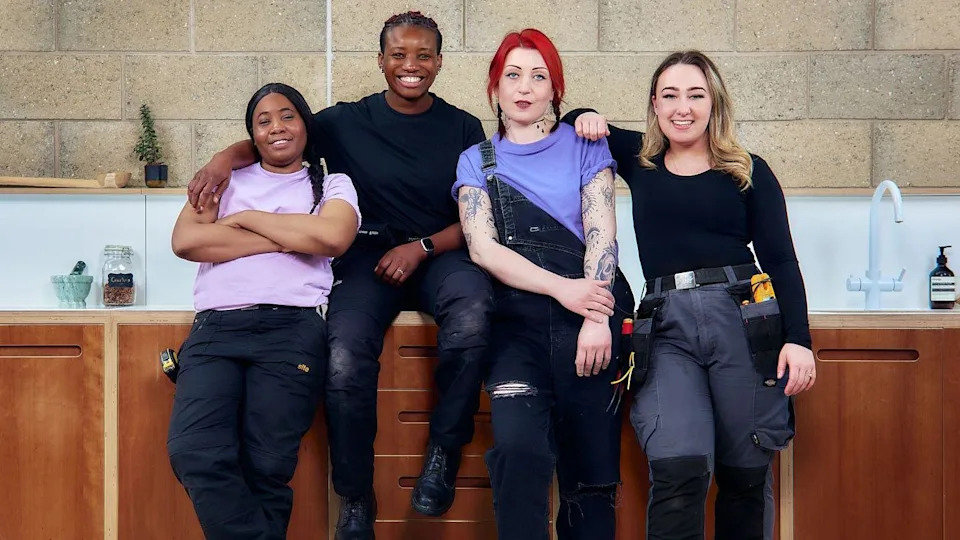
TaskHer was set up to help people book tradeswomen [Carlo Trentin-Zambon]
What The Data Shows
Industry and survey data point to shifting attitudes but continued imbalance. A 2024 B&Q report found Gen Z women are leading the charge: around three-quarters of Gen Z women surveyed said they enjoy DIY, and 82% said seeing women perform complex DIY on social media inspired them to try more projects. By contrast, 60% of all women surveyed said the same.
Despite rising interest, women remain a small share of the construction workforce — roughly 4%, according to the Federation of Master Builders. There are signs of progress: one in 10 people who began a construction apprenticeship in 2024-25 was a woman, up from about one in 14 five years earlier.
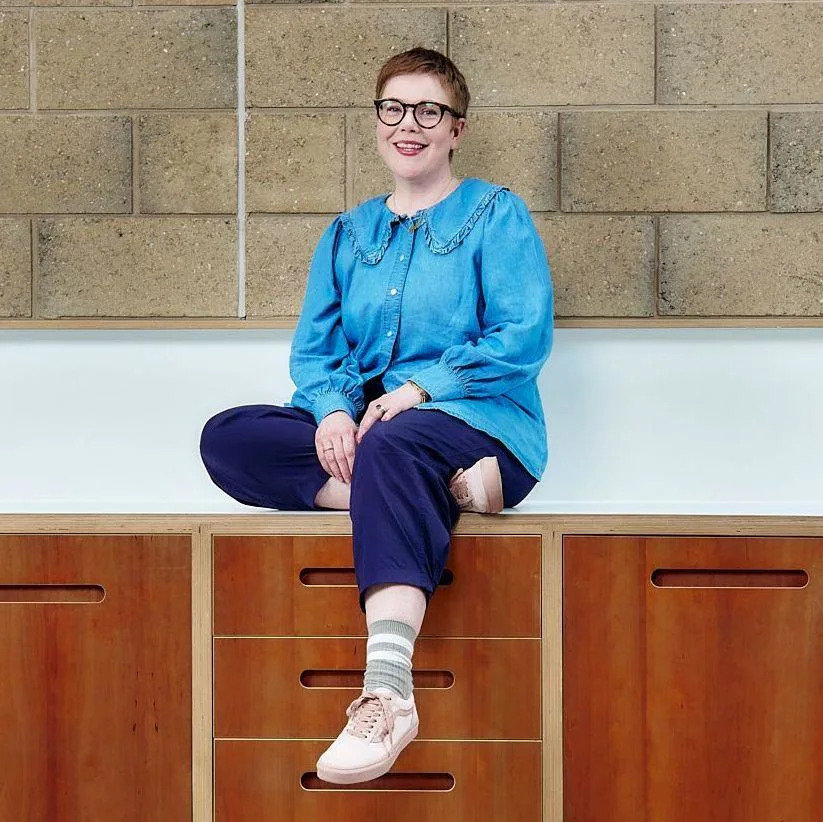
Anna Moynihan says some women are taking up a trade as they want the flexibility of working for themselves [Carlo Trentin-Zambon]
Why This Matters
Visibility matters. Advocates argue that seeing women on-site and on-screen makes trade work feel accessible and legitimate to other women and girls. Practical training, supportive platforms and changing cultural expectations are all part of the picture. At the same time, commentators stress that not all work should be DIY and that safety and regulation mean some jobs are best left to professionals.
Bottom line: A growing combination of social media influence, supportive platforms and shifting career priorities is helping more women both tackle DIY projects and pursue trades — but systemic barriers and a still-low share of women in construction show there's more work to be done.
Help us improve.