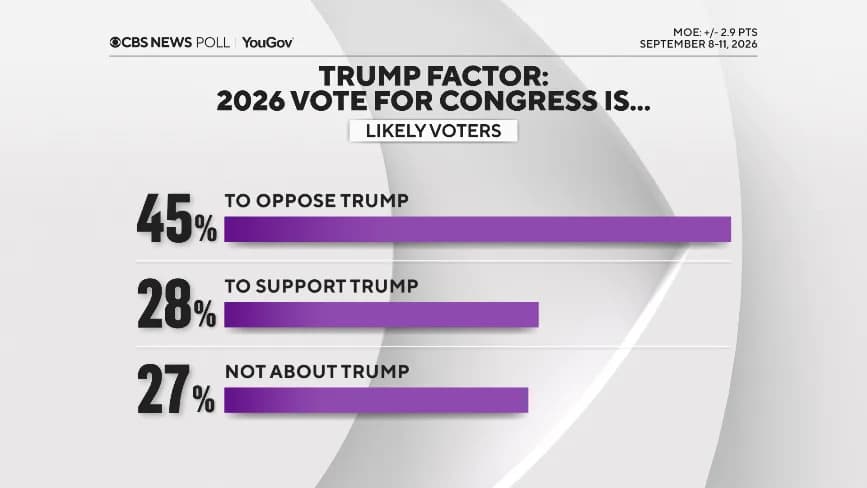
Key Findings: Large majorities say incomes are not keeping up with inflation and voters do not see clear relief coming from either party. Republicans are more widely viewed as harming household finances, though Democrats’ “help” rating is only about one-third and slightly net-negative. Views are split on immigration, election confidence is unchanged, and most Americans favor state control of election rules.
Poll Analysis: Voters Say Paychecks Are Falling Behind — Neither Party Seen as a Fix
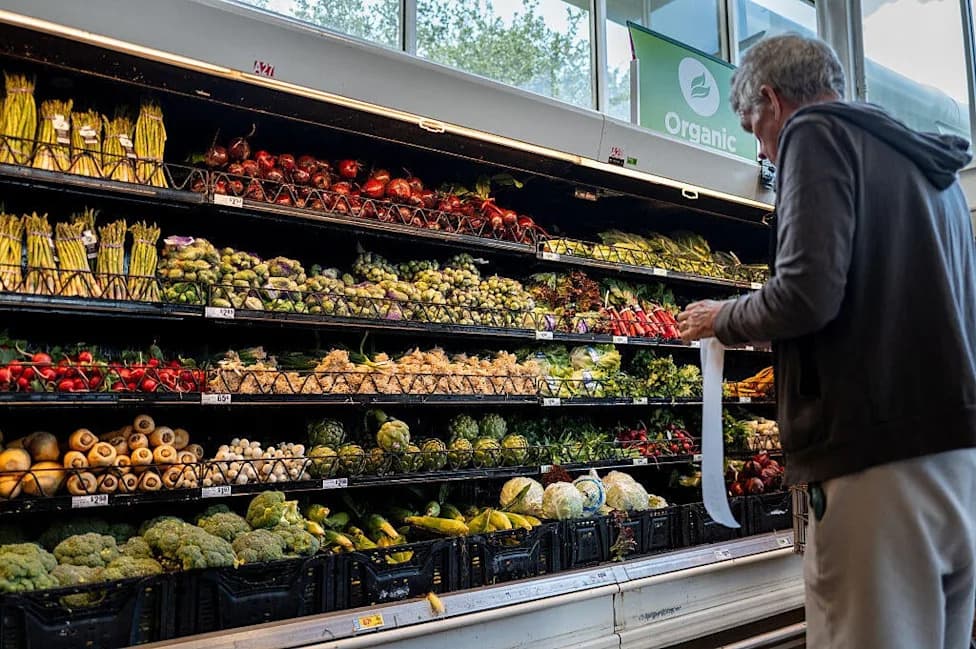
Poll analysis on cost of living and whether political parties have answers
Overview: A new CBS News/YouGov poll finds large majorities of Americans say their incomes are not keeping pace with inflation, and many remain unconvinced that either major party is offering meaningful relief. Republicans receive harsher ratings on cost-of-living impacts, while Democrats fare only modestly better.
Cost of Living
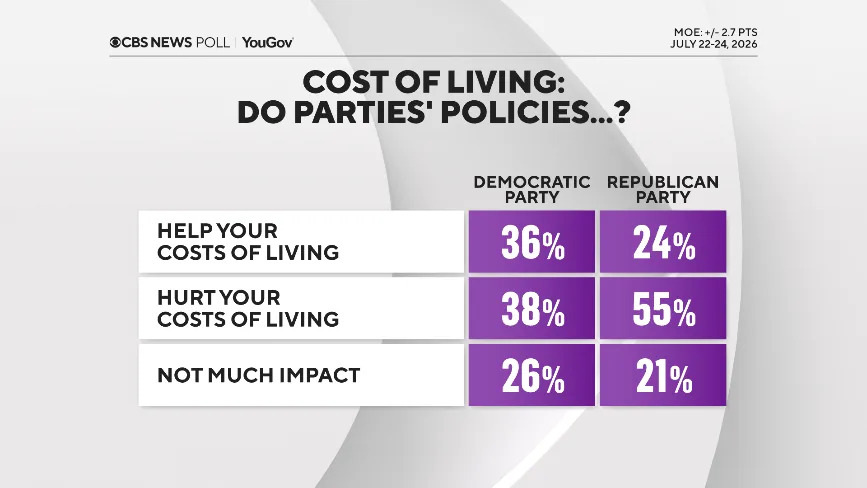
Most Americans continue to report that rising prices outstrip their paychecks. When asked whether party policies help or hurt household finances, both parties score poorly. A majority of respondents say GOP policies do more harm than good, a judgment that appears linked to low ratings for President Trump’s handling of inflation.
Democrats do relatively better: roughly one-third of respondents say Democratic policies help with the cost of living. However, that "help" figure is still modest and, when compared to those who say Democrats hurt them, the net balance is slightly negative.
Economic Policy and Immigration
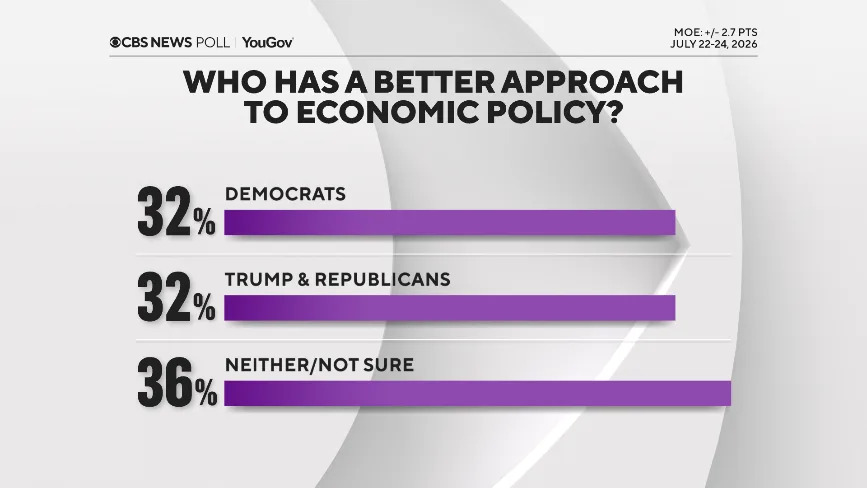
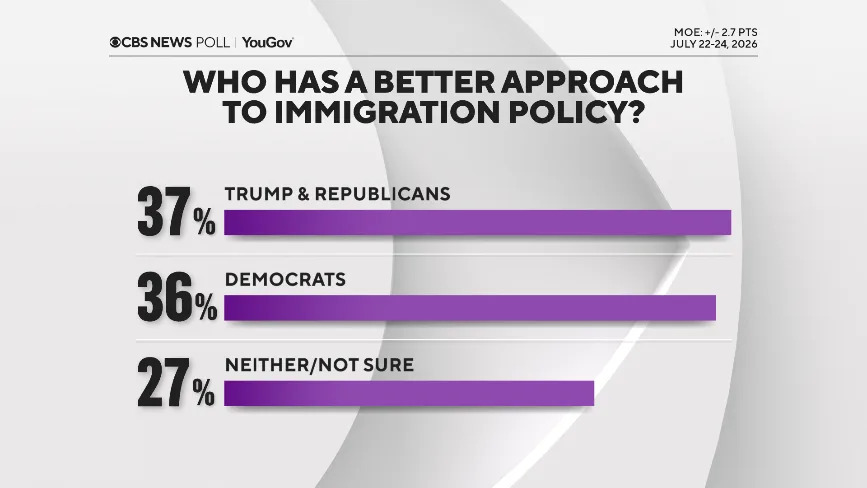
On economic policy broadly, public opinion is essentially even between the parties. On immigration, Republicans — taken together with President Trump — hold a narrow edge over Democrats, but the margin is small.
Both parties face challenges on immigration: approval of the administration’s deportation program has eased during the term, and favorable views of the administration’s approach are concentrated among the Republican base. Democrats struggle with perceptions that they prioritize recent immigrants over the interests of longer-term citizens.
Elections and Voting
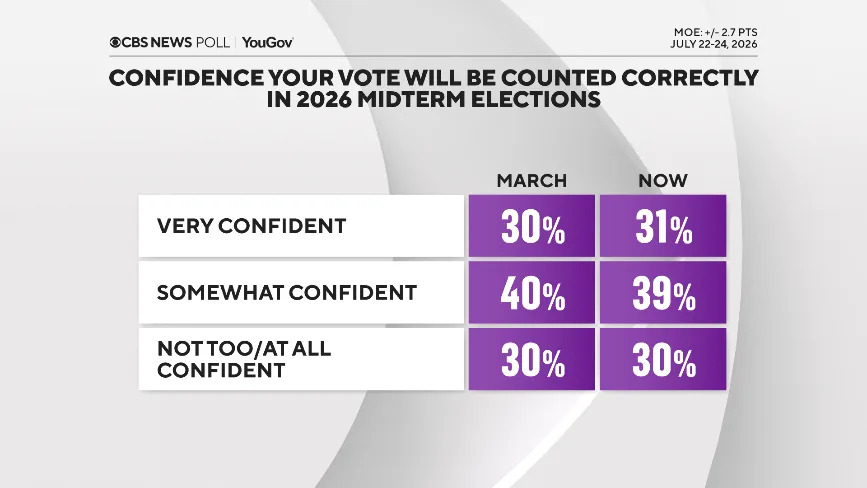
Public confidence in U.S. election administration has changed little since President Trump’s recent primetime address on the topic. Confidence remains steady rather than trending up or down. There is still broad, bipartisan support for requiring a photo ID to vote.
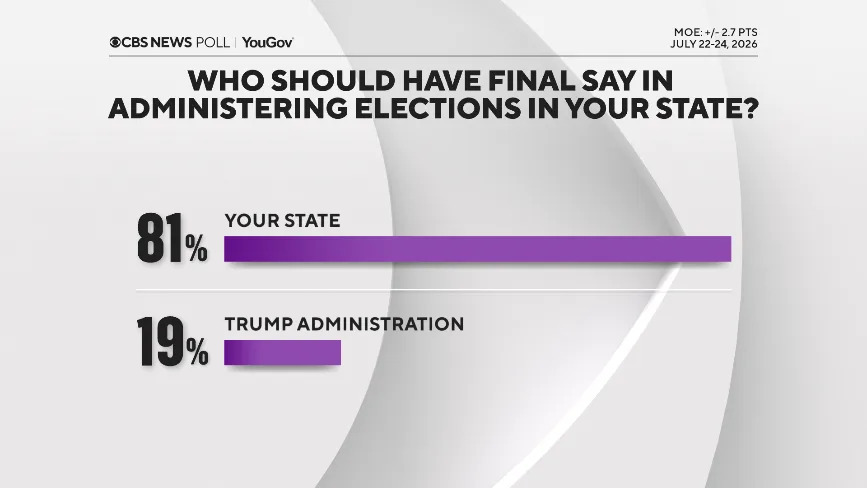
At the same time, a large majority of Americans prefer that individual states — not the White House — have the final authority to set election rules, reflecting a strong preference for local control of voting procedures.
Looking Ahead
More voters currently say they would prefer Democratic control of Congress next year than Republican control. That is a typical pattern for the party out of the White House in a midterm year, but how this generalized preference converts into actual votes will become clearer as the fall campaign season zeroes in on specific competitive districts.
Survey methodology: This CBS News/YouGov survey polled a nationally representative sample of 2,193 U.S. adults between July 22–24, 2026. Results were weighted by gender, age, race and education to match U.S. Census benchmarks and adjusted for 2024 presidential vote. The margin of error is ±2.7 points.
Help us improve.