Democrats have taken a slim lead over Republicans on which party voters trust to manage the economy, the first advantage in the NBC News series since 2017. The Sept. 11–15 poll of 1,000 registered voters shows Democrats at 39% and Republicans at 38%, a margin within the ±3.1% error range. Democrats also hold a seven-point edge on trust to control inflation; 55% say Trump’s policies hurt the economy and his approval sits at 41% (56% disapprove). Prediction markets and other polls underscore concerns about inflation and affordability, but local geography will determine actual midterm outcomes.
Democrats Narrowly Lead on Who Voters Trust to Manage the Economy — First Edge Since 2017
File image: Democratic Party logo on a USA flag—undated stock photo
Democrats have edged ahead of Republicans on which party voters trust to handle the economy, according to the latest NBC News poll — the first time they have held such an advantage in this series since December 2017. The shift comes weeks before the November midterm elections, when inflation and household finances are expected to play an outsized role in competitive congressional races.
Key Poll Findings
The NBC News survey of 1,000 registered voters (Sept. 11–15) found Democrats ahead 39% to 38% on which party voters trust to manage the economy; that margin falls within the poll's reported ±3.1 percentage-point margin of error. On the related issue of inflation, Democrats led by seven points, 38% to 31%, for which party voters trust to control rising prices.
Fifty-five percent of respondents said President Trump’s policies have hurt the economy, while 26% said his policies helped and 18% said they made little difference. The president’s approval rating among registered voters stood at 41% approve / 56% disapprove, a net approval of -15 points and the lowest second-term approval recorded in this NBC News series.
Generic Ballot, Favorability And Voter Motivation
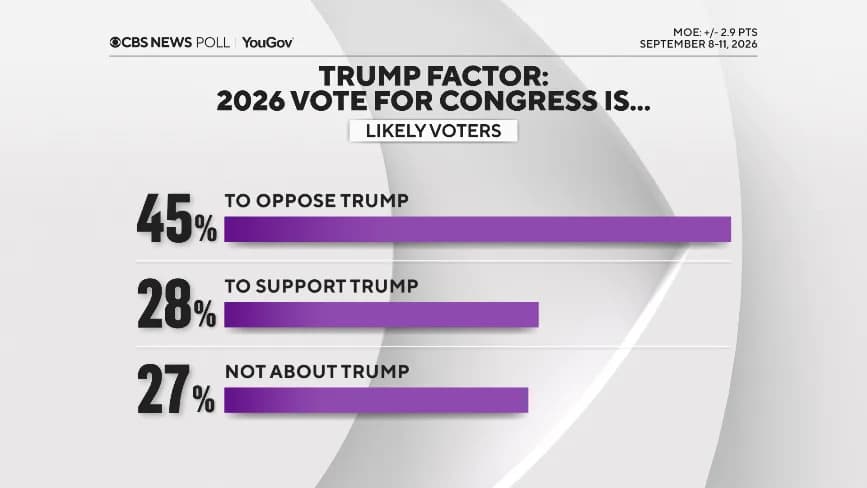
On the generic congressional ballot, Democrats led 50% to 45%. However, party favorability remains a weakness for Democrats: just 29% view the party favorably versus 50% unfavorably, compared with Republicans at 36% favorable and 49% unfavorable. Opposition to Mr. Trump appears to be a strong motivator: 43% of respondents said their congressional vote would be a signal against Trump, while 27% said their vote was intended to support him. Among independents, 46% said their vote was meant as opposition to Trump and 10% as support.
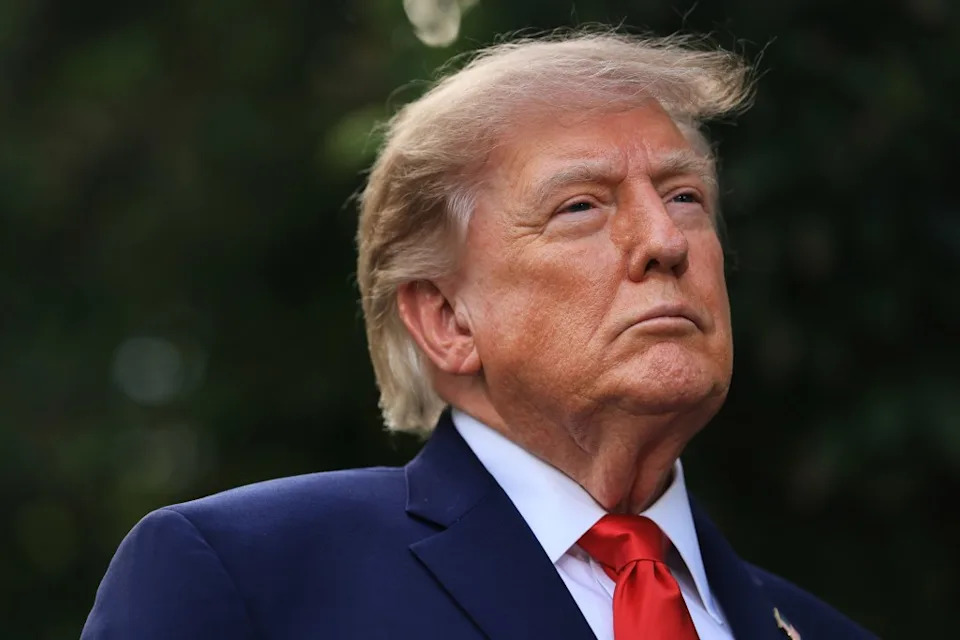
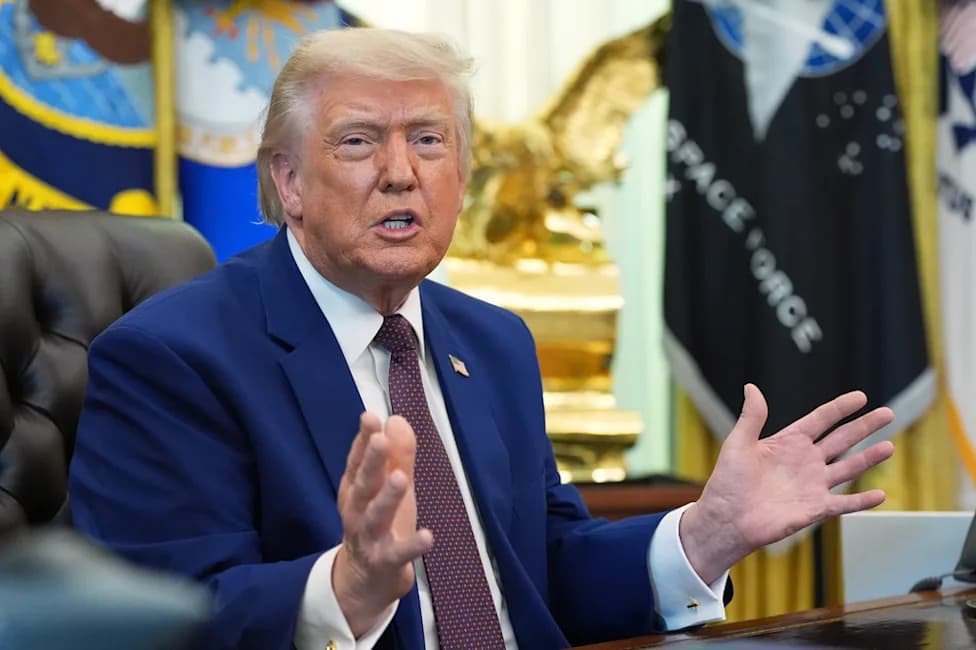
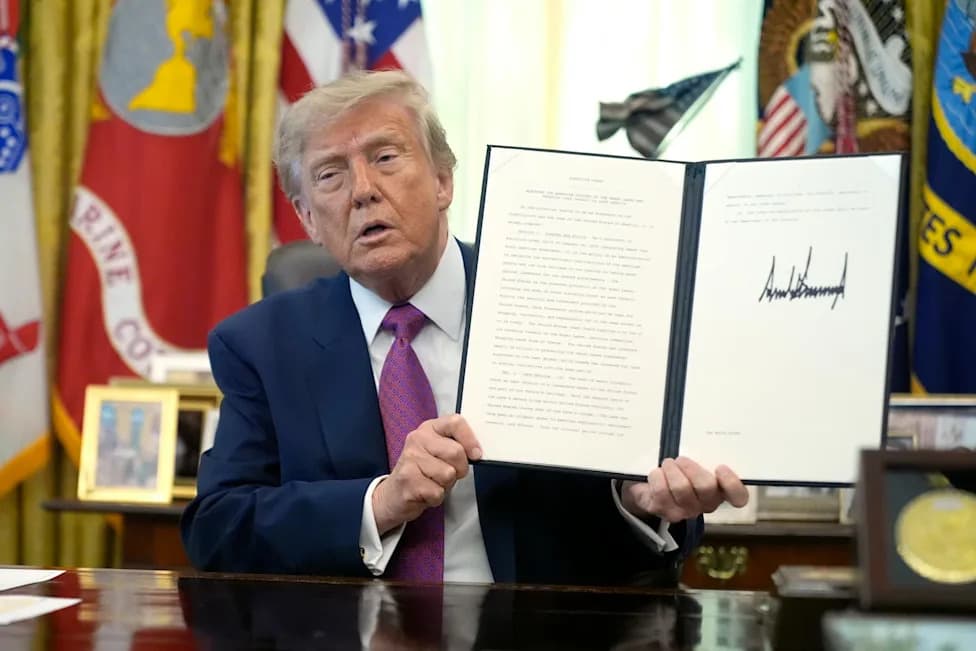
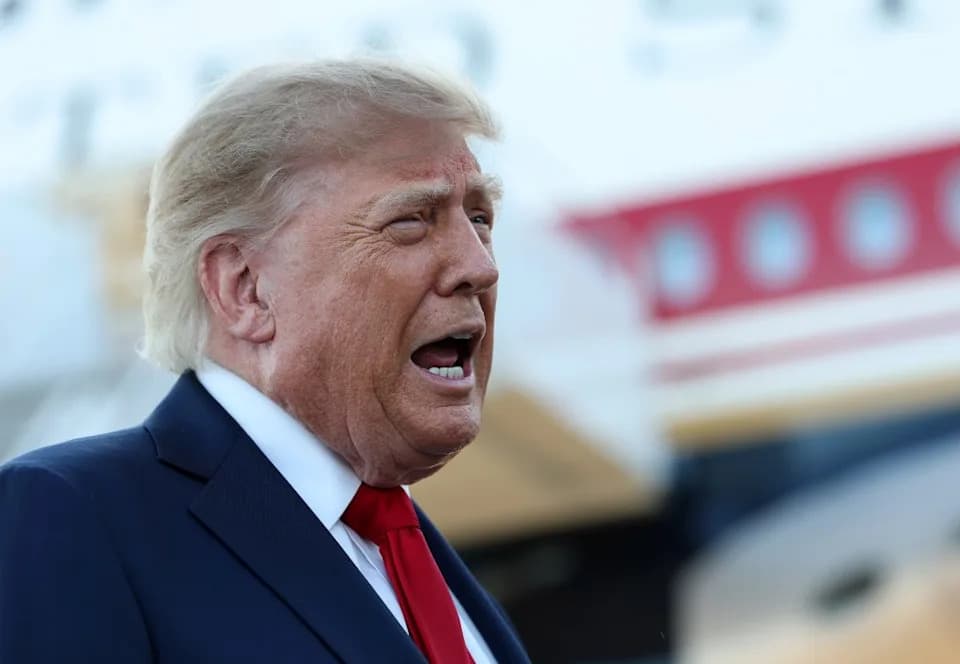
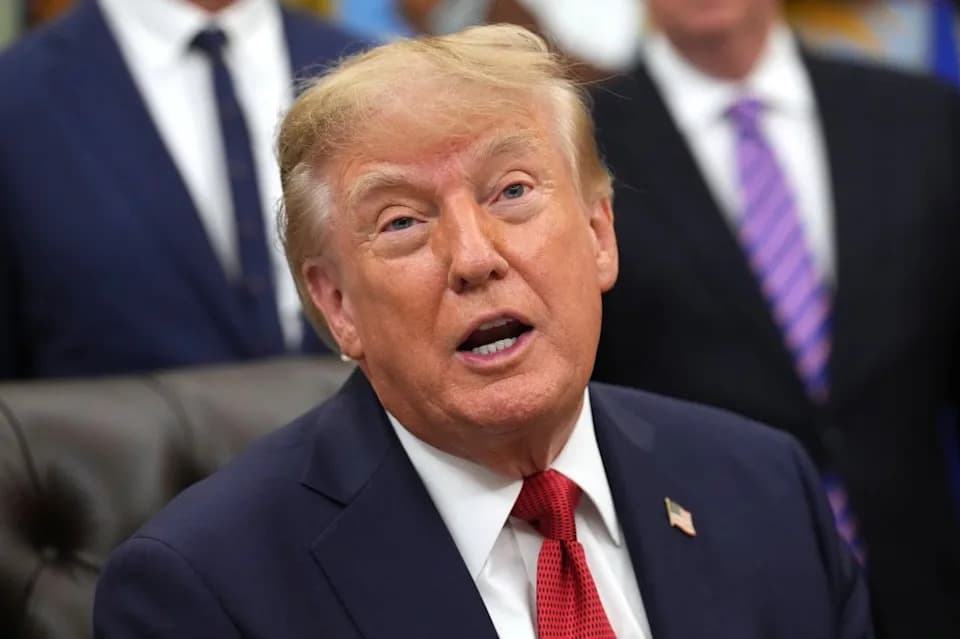
U.S. President Donald Trump looks on as New York Mayor Zohran Mamdani speaks to reporters following their meeting at Gracie Mansion on September 21, 2026, in New York City.
Markets, Other Polls And Policy Reactions
Prediction markets reflected Democrats’ improved prospects: Polymarket and Kalshi both priced a Democratic sweep of Congress at roughly 61% (as of Sept. 22), with a Democratic House paired with a Republican Senate around 30% and a Republican sweep under 10%. These markets represent traders’ expectations and respond quickly to polls and events, but they do not directly measure voter intent.
Other recent surveys underline affordability as the top voter concern. A Marquette Law School poll (Sept. 2–9, n=1,023) found 37% of adults named inflation and the cost of living as the leading issue, more than double those who cited the broader economy (16%).
Reception Of Trump Proposals
Some proposals floated by Mr. Trump drew resistance from voters. At the Republican convention he suggested giving every adult $5,000 if the GOP kept control of Congress; the NBC News survey found 21% would be more likely to back a candidate who supported that plan, while 46% would be less likely.
“Donald Trump has achieved his goal of making this election about him at a historic level,” said Jeff Horwitt of Hart Research Associates. He added that the results reflect opposition to Trump and Republicans rather than a broad endorsement of Democrats.
What It Means
While the NBC results show a notable swing from the GOP’s strong economic advantage three years ago, the current Democratic lead is small relative to the poll’s margin of error and does not by itself guarantee electoral success. Geographic distribution of voters, district maps and local campaigns will determine how national sentiment translates into seats. Voters remain deeply concerned about inflation, affordability and broader issues such as corruption and foreign policy, and those concerns will shape outcomes in the weeks ahead.
Help us improve.