The American oystercatcher has rebounded significantly between 2008 and 2023 after focused conservation efforts targeting low chick survival and nest protection. A coalition of organizations raised about $10 million and implemented site‑specific measures — fencing, signage, banding, predator control, elevated platforms and shell‑rake restoration — that helped populations rise roughly 45%. Hotspots like Martha's Vineyard (+77% pairs) and North Carolina (+20% pairs) show strong local gains, though sea level rise remains a serious threat.
The Oystercatcher’s Comeback: How 15 Years of Local Action Boosted Populations 45%
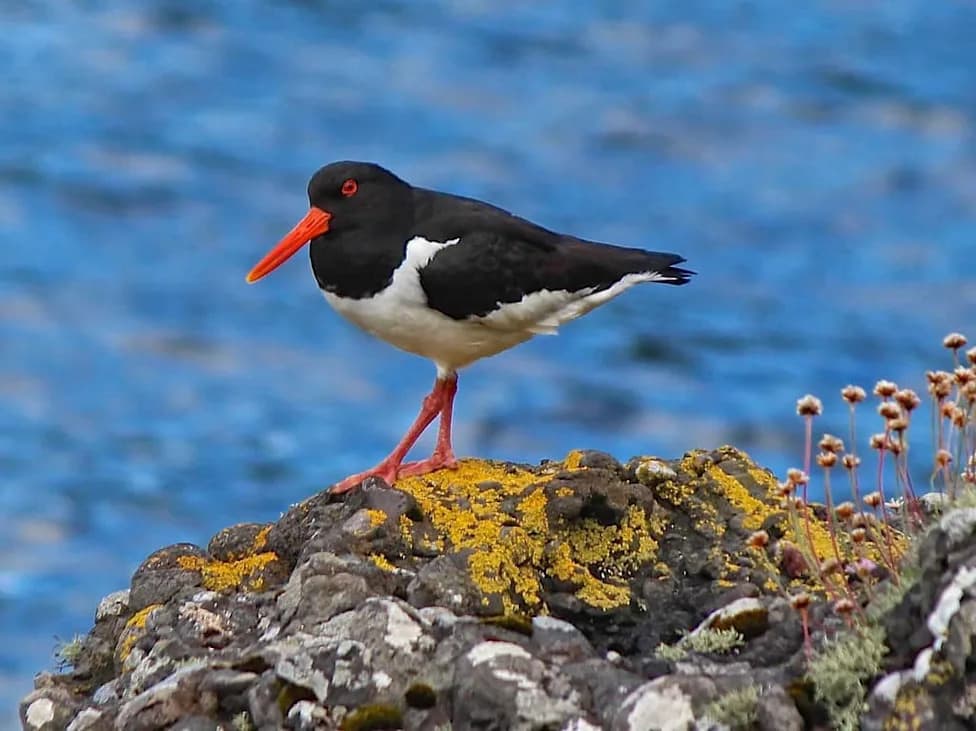
Eurasian Oystercatcher© "Eurasian Oystercatcher" by Ray in Manila is licensed under BY 2.0.
Oystercatchers — the black, brown and white shorebirds with unmistakable carrot‑orange bills — have staged a remarkable recovery along the U.S. Atlantic and Gulf coasts after decades of decline. Between 2008 and 2023, coordinated conservation efforts focused on improving chick survival and protecting nesting habitat helped reverse long-term losses and produced measurable gains in many regions.
A Species Defined by Its Bill and Its Habitat
American oystercatchers are large shorebirds, about 16–20 inches long, with a long, knife‑shaped bill used to pry or stab open clams, oysters and mussels. They forage on beaches, barrier islands and salt marshes, often working rock crevices and tidal edges where shellfish are abundant.
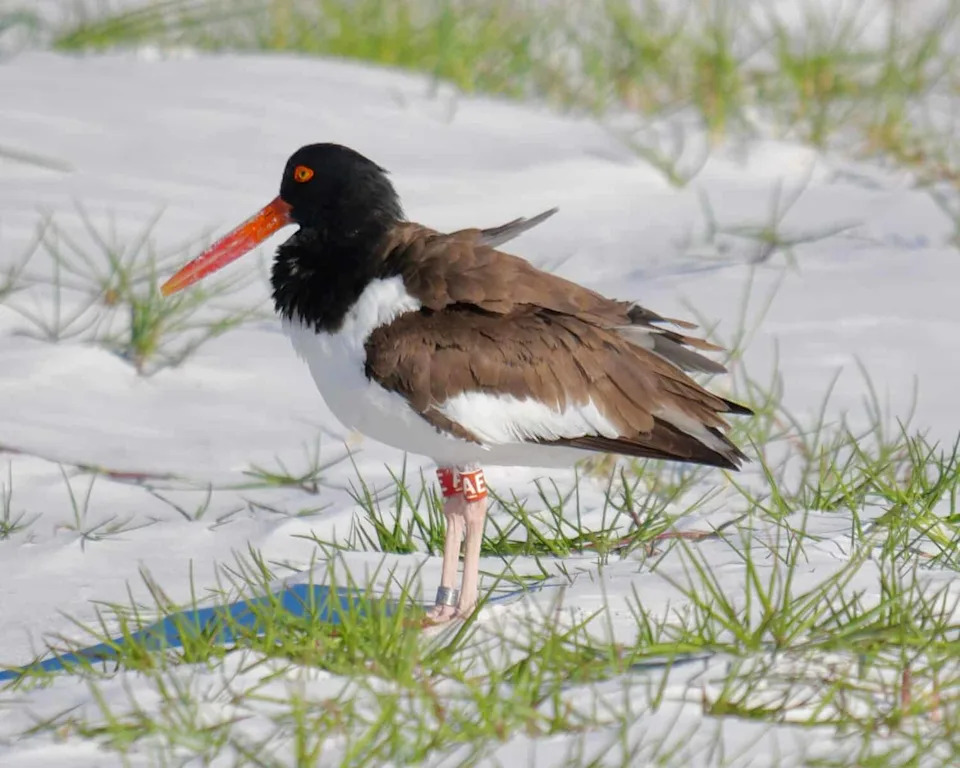
The American oystercatcher has a distinctive carrot-colored, long beak.©Archaeopteryx Tours/Shutterstock.com
Why Numbers Fell — And Why Chicks Were the Key
Historic pressures — hunting and egg collecting in New England followed by coastal development, increased beach recreation, dogs off leash and predation by raccoons and foxes — drove population declines. By 2008 the U.S. population had fallen to roughly 10,000 birds. Studies showed that adult survival was relatively stable; the main driver of declines was low chick survival.
A Coordinated Response
In 2008 the American Oystercatcher Working Group formed, uniting about 35 coastal organizations across 16 states. Over 15 years the coalition helped raise roughly $10 million to fund locally tailored conservation actions rather than a single national prescription.
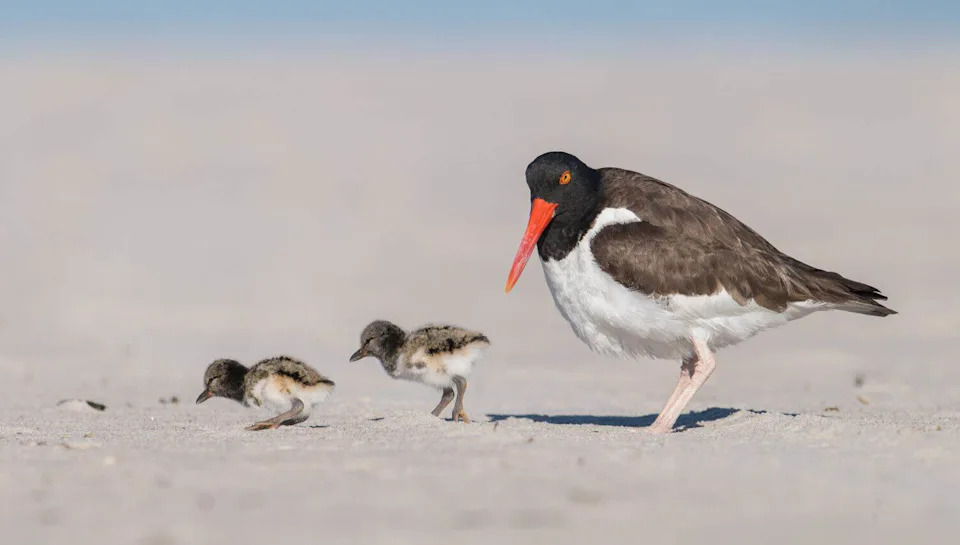
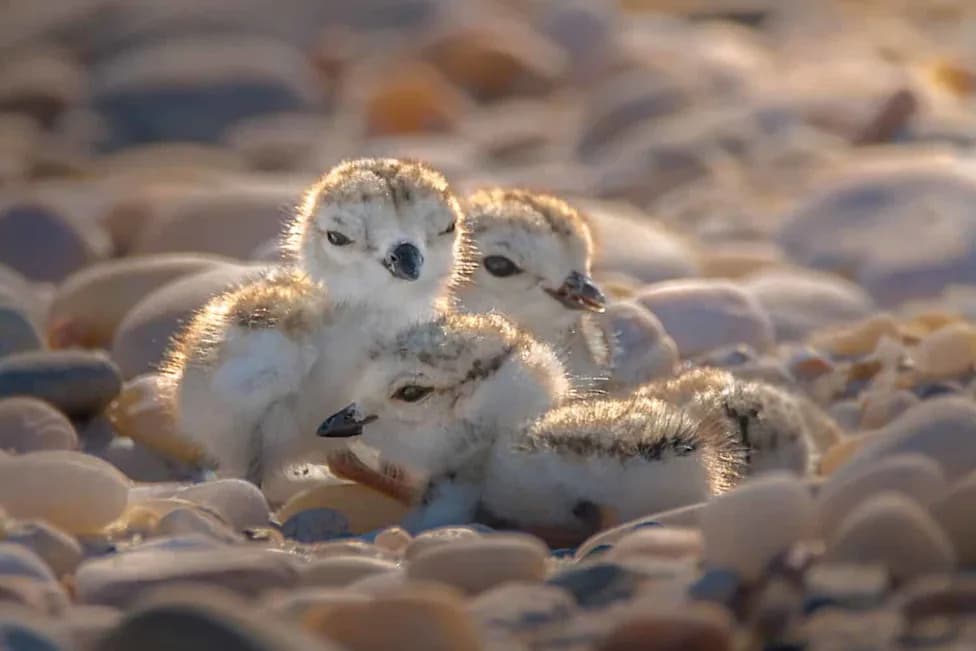
The loss of oystercatcher chicks is the primary reason for population numbers declining.©Harry Collins Photography/Shutterstock.com
Site‑Specific Strategies
- Predator Exclusion: At sites such as Martha's Vineyard, volunteers install low chicken‑wire fencing at breeding entrances each spring to keep out skunks and raccoons while allowing adult birds access.
- Public Education: Colorful signage on beaches in Rhode Island and elsewhere alerts visitors to nests and advises how to avoid disturbance during breeding season.
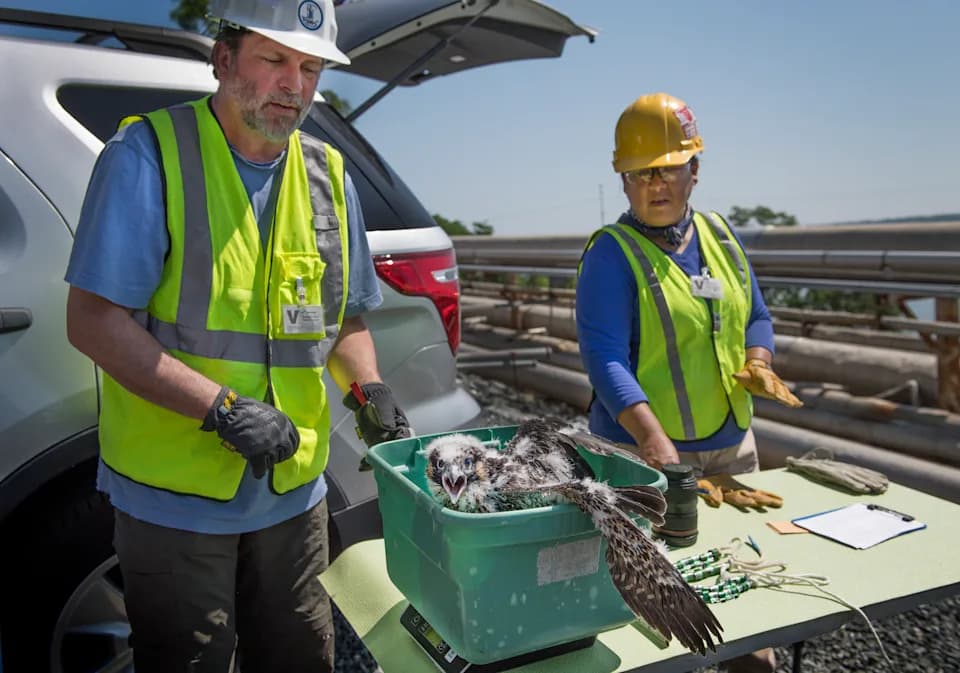
- Monitoring: Banding programs track individuals and provide data on survival and movements.
- Predator Control: In parts of Georgia and North Carolina, managers have used seasonal trapping (including euthanasia) to reduce nest predation during the breeding season.
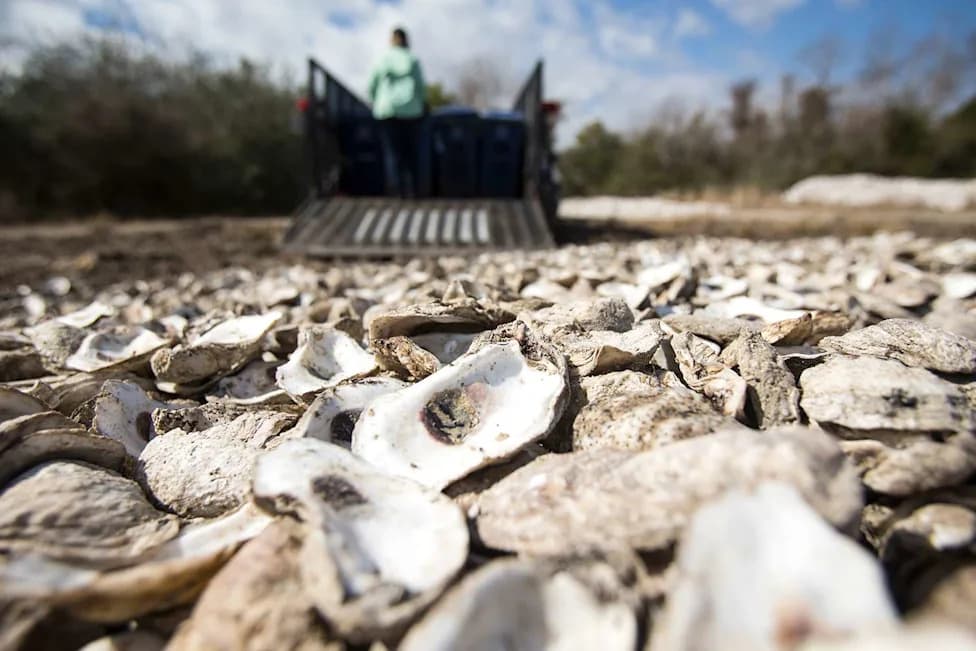
- Habitat Engineering: Georgia built elevated nesting platforms and used dredged sediments to maintain and create nesting islands, while North Carolina teams replenish "shell rakes" — beds of old oyster shells preferred for nesting.
“At one site, it might be recreational disturbance, at another site it might be predators, at another site it might be sea level rise or loss of dune structure that's causing overwash events causing nest failure,” said Alan Kneidel, senior conservation biologist with Manomet Conservation Science.
Results And Ongoing Challenges
These targeted, locally driven efforts have produced encouraging results: overall American oystercatcher populations rose by roughly 45% between 2008 and 2023, with breeding pairs increasing substantially at many hotspots. Martha's Vineyard reports a 77% rise in breeding pairs since 2009, and North Carolina reports about a 20% gain. These gains stand out because many other North American shorebirds continue to decline.
Nonetheless, climate change and sea level rise remain major long‑term threats, reducing available nesting habitat through erosion and overwash. Conservationists continue to experiment with habitat creation and protection to keep pace with these changes.
“Climate change, sea level rise, it's a big challenge not only for oystercatchers but for all kinds of interests on the coast,” said Lindsay Addison, a coastal biologist with Audubon North Carolina. “We have to provide the habitat we can so they can get through this next bottleneck.”
The oystercatcher rebound shows how coordinated funding, local expertise and a mix of education, monitoring, predator management and habitat work can reverse declines for a species — but it also underscores the need for continued investment as coastal systems shift with climate change.
Help us improve.