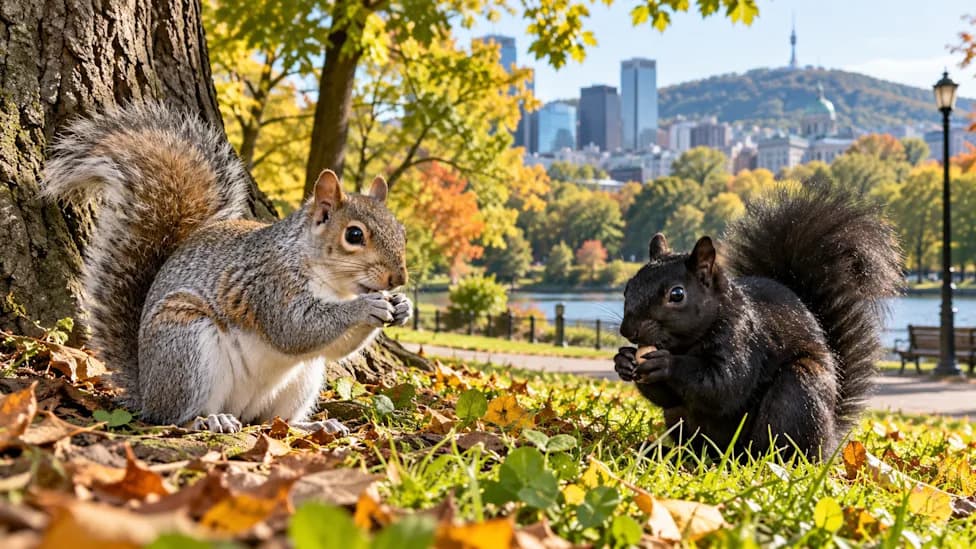
Squirrel pox (squirrel fibroma) is appearing in squirrels across multiple U.S. states, causing wart‑like tumours that can impair vision, feeding and mobility. The virus is primarily spread by mosquitoes (and sometimes flies or biting midges) and is not believed to infect people or common pets. To reduce local risk, remove standing water and limit communal food that attracts squirrels; do not handle heavily affected animals—contact a licensed wildlife rehabilitator or local wildlife agency.
Squirrel Pox Appears in US Backyards: Wart‑Like Tumours Seen — Pets Unlikely to Be Infected
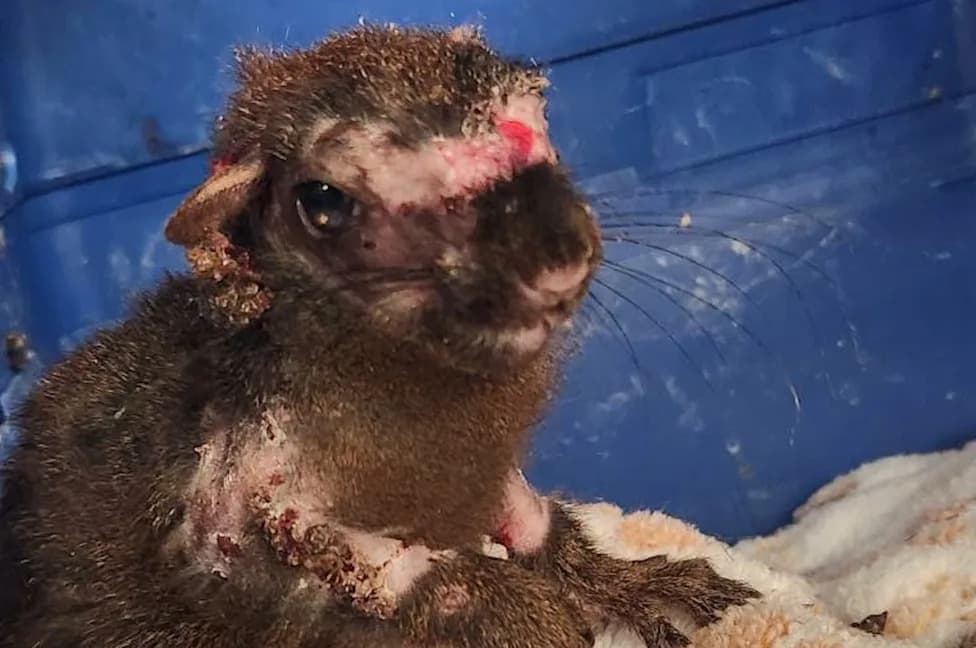
Photo Credit: Halfway Home Wildlife Rehab
Homeowners in several U.S. states are reporting an unsettling sight: squirrels with large, wart‑like tumours on their faces and bodies. The condition, commonly called squirrel pox (or squirrel fibroma), is a viral disease that primarily affects squirrels and can be serious in severe cases.
What Scientists Are Seeing
Photos of affected squirrels — some bearing large, hairless growths — have circulated widely online, prompting concern about risks to pets and people. Wildlife experts say the virus is not believed to spread to humans or to animals other than squirrels, and there is currently no evidence that common household pets (cats, dogs) are susceptible.
How The Disease Works
Squirrel pox causes wart‑like fibromas that can form almost anywhere on a squirrel’s body. When lesions become extensive, they can interfere with vision, feeding and mobility, leaving animals vulnerable to predation or starvation. Younger squirrels appear to be especially at risk, and severe infections can be fatal.
Transmission And Local Risk Factors
Wildlife officials say the virus is usually spread by biting insects — mosquitoes are considered the main vector, with flies and biting midges also able to carry the virus. Residential yards can create favourable conditions for mosquito breeding when water accumulates in containers, bird baths, planters or clogged gutters. Shared food sources (bird feeders, fallen seed, outdoor pet food) can also bring squirrels into closer contact and help transmission.
What Homeowners Can Do
- Eliminate standing water around your property — mosquitoes can breed in as little as 10 days, and in hot weather the cycle can be faster.
- Limit communal food that draws squirrels together: bring pet food indoors, clean up spilled seed and reconsider feeding setups that encourage crowding.
- If you see a squirrel that appears heavily affected, do not handle it. Keep pets away and contact a licensed wildlife rehabilitator or your local wildlife agency for guidance.
Care And Recovery
Some rehabilitators report that affected squirrels can recover with supportive care, although recovery can be slow and labour‑intensive. For example, wildlife rehabbers in Michigan have treated and released squirrels that recovered over time; other animals remain under care and may improve gradually.
"Many tumours eventually resolve on their own," said a wildlife research technician with the Ohio Division of Wildlife, noting that outcomes vary by animal and severity.
While the images are alarming, the key takeaways are clear: the disease primarily affects squirrels, insect control and reduced congregation lower transmission risk, and professionals should handle sick wildlife.
Sources: Reports from wildlife agencies, interviews with rehabilitators and coverage by media outlets including FOX Weather.
Help us improve.