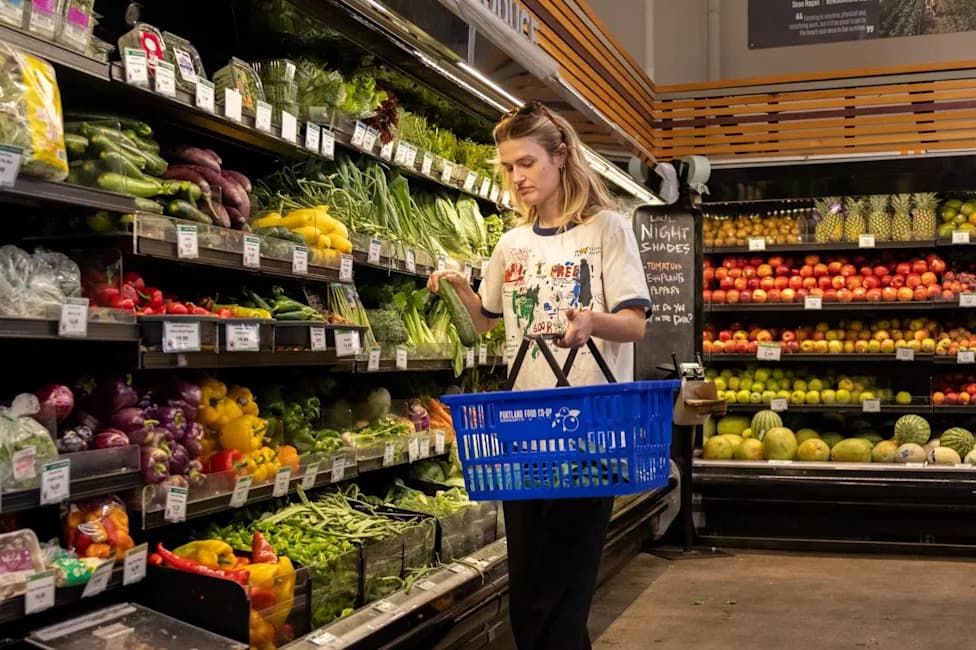
Mayor Zohran Kwame Mamdani has proposed five city-owned grocery stores that would offer a 30% discount on produce, meat and staples. Officials estimate shoppers could save about 15% on groceries — roughly $90 per month or $1,000 per year — and have budgeted $70 million for the effort. The first store is planned for Hunts Point in the Bronx by the end of 2027. The plan has prompted fierce pushback from small retailers and conservative media, and legal challenges are possible.
NYC Mayor Proposes Five City-Run Grocery Stores With 30% Discounts, Sparking Backlash
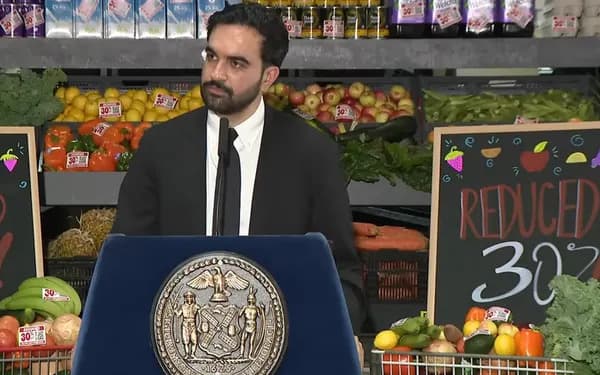
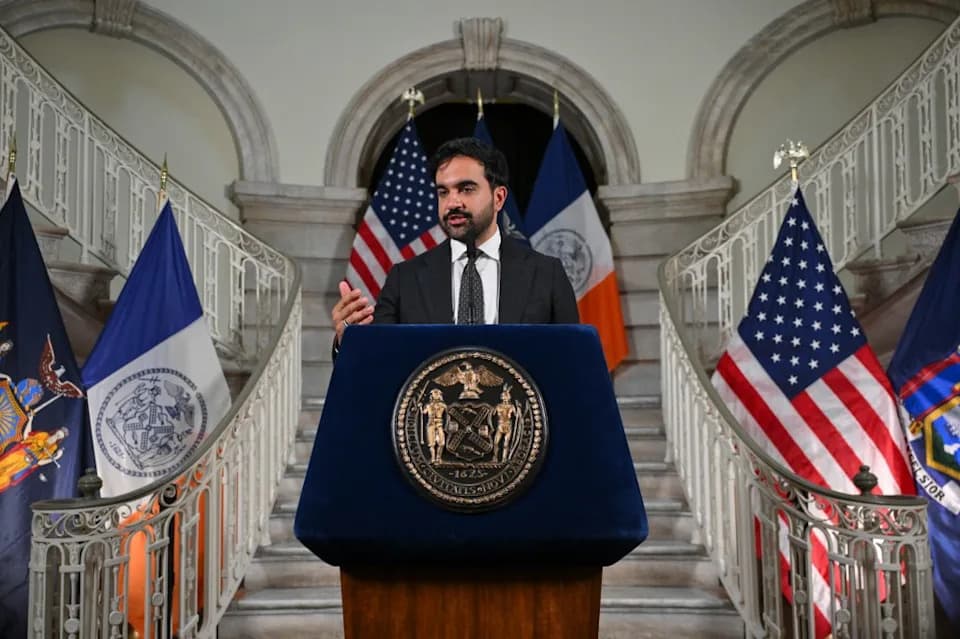
New York City Mayor Zohran Kwame Mamdani this week unveiled a plan to open five city-owned grocery stores that would offer a 30% discount on produce, meat and pantry staples. The proposal, part of his broader Affordability Agenda, has provoked an intense public debate over its costs, economic impact and legal risks.
What the Plan Would Do
The mayor’s office says the discounts could translate into roughly a 15% reduction in overall grocery bills for shoppers who use the stores — about $90 a month or roughly $1,000 a year. Discounts would be available to all customers regardless of income, and the city says prices at these locations would be fixed rather than fluctuate with the market.
Rollout and Financing
The administration has budgeted $70 million for the initiative and expects all five outlets to open before the end of Mamdani’s term. The first store is scheduled for Hunts Point in the Bronx, with an anticipated opening by the end of 2027. City officials have issued a request for proposals (RFP) seeking private grocery operators to manage one or more locations.
Why It Matters
Food affordability is a central plank of the mayor’s agenda. City data cited by officials indicate nearly 40% of families struggle to afford food; in Hunts Point, they say as many as 77% of households have difficulty paying for basic needs. A recent poll also found that roughly 80% of New Yorkers express concern about rising food prices.
Reactions And Controversy
The plan has drawn sharp criticism from small retailers and conservative media. The Multicultural Business Coalition — a group formed earlier this year to oppose the proposal — warned the city-run stores could "put our businesses out of business" and has signaled potential legal action. The New York Times reported those concerns, and Newsmax has covered the coalition’s plans to sue.
“We are not looking to compete with bodegas or grocery stores when it comes to their ability to survive. What we’re looking to do is to provide affordability that is guaranteed to New Yorkers,”
Conservative outlets such as Fox and The Wall Street Journal have argued a permanent 30% discount could be unsustainable because grocery profit margins are often thin; these outlets warn the resulting losses could ultimately be covered by taxpayers. Supporters counter that targeted, city-run options could provide immediate relief for struggling households and increase competitive pressure on prices across the city.
Context
National supermarket chains including Aldi, Stop & Shop, Trader Joe’s, Target, Whole Foods and Wegmans already operate in New York City, but small corner stores or bodegas remain vital: city figures cited by officials say about 90% of residents shop at bodegas at least once a week and roughly two-thirds visit one every day. The debate centers on whether municipal stores offering steep discounts will help residents or threaten existing small businesses and municipal finances.
The program’s details — including operating models, oversight, eligibility rules and a clear long-term funding plan — will be shaped by the forthcoming RFP responses and subsequent negotiations. Both supporters and critics say those specifics will determine whether the plan ultimately delivers meaningful relief or creates unintended consequences for the city and private retailers.
Help us improve.