Three juvenile white storks have been released at Willington Wetlands in Derbyshire after more than 600 years away from the Midlands. Bred at Celtic Rewilding in Staffordshire, the birds will form a "magnet flock" intended to attract migrating storks to settle and breed in the Trent Valley. The £309,000 project, funded by the Veolia Environmental Trust, also aims to restore wetlands and broader wildlife habitats, complementing other rewilding efforts such as the return of beavers.
After 600 Years, White Storks Return to the Midlands — Three Juveniles Released at Willington Wetlands
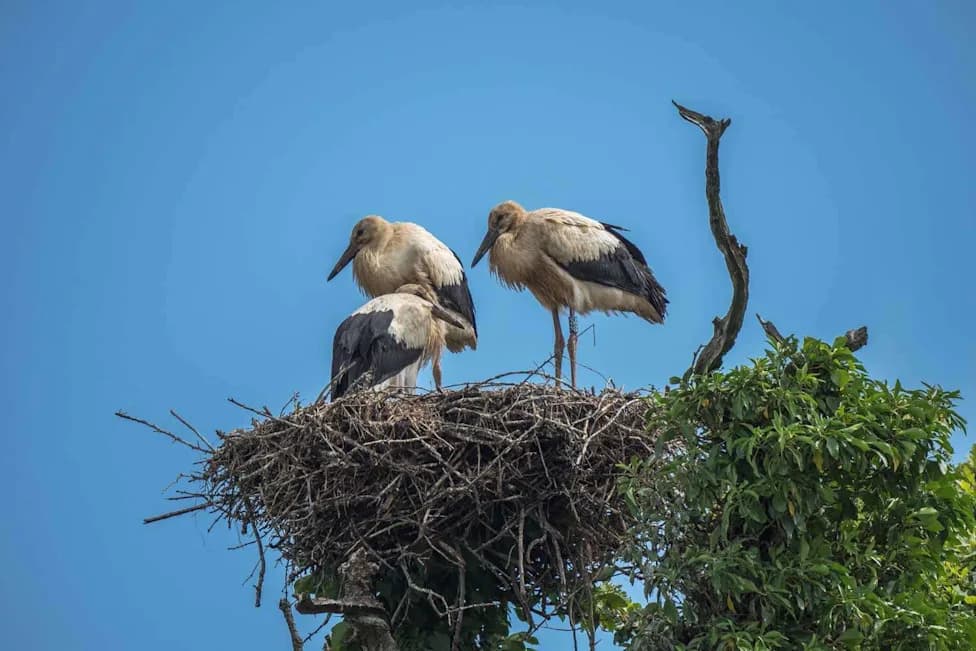
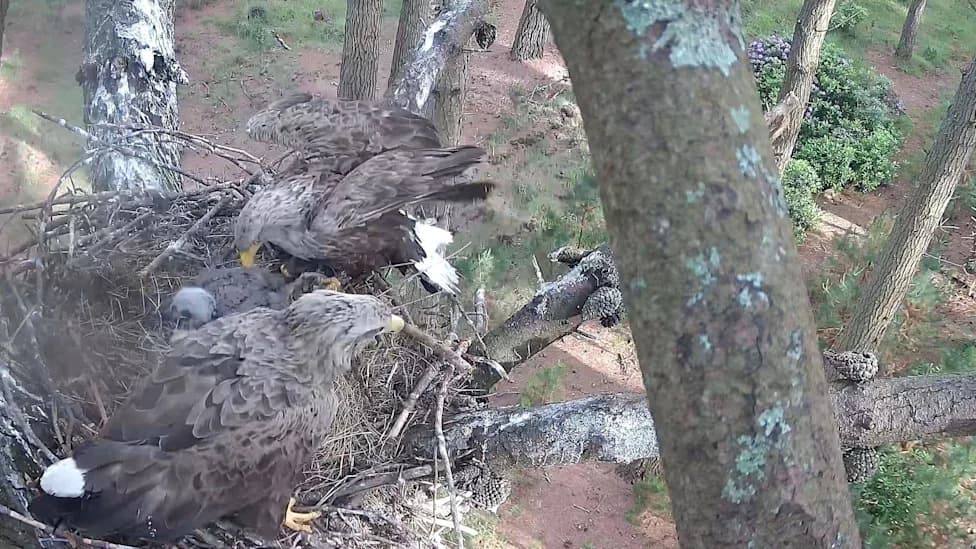
Three white storks standing on a nest atop a tree in Knepp EstateCredit: Alamy
Three juvenile white storks have been released at Willington Wetlands in Derbyshire as part of a conservation programme aiming to re-establish the species in the English Midlands after an absence of more than 600 years. The birds — one male, one female and one yet to be sexed — were moved from a captive-breeding facility and introduced into a purpose-built enclosure at the reserve.
Release, Purpose and Immediate Plans
Staff watched as the storks emerged from a wooden crate and explored their surroundings before taking to the air. Conservationists hope the juveniles will serve as a "magnet flock," encouraging migrating white storks passing through the Trent Valley to settle and, ultimately, breed locally. Derbyshire Wildlife Trust plans to monitor the birds closely and may release additional individuals depending on how they establish themselves.
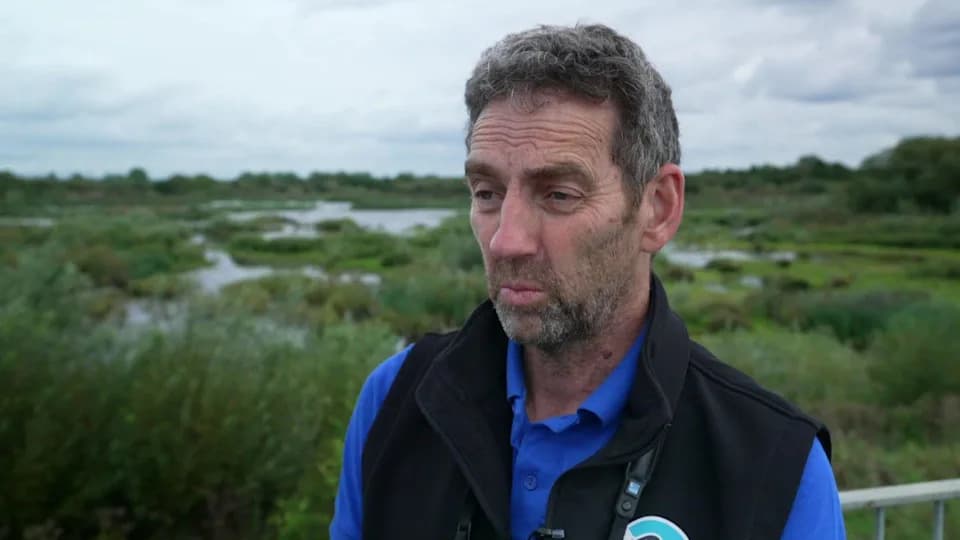
"To see white storks back at Willington feels like a real milestone. We've put years of work into restoring this landscape," said Katie Last, the living landscape officer at Derbyshire Wildlife Trust.
Site Preparation and Safeguards
The storks were bred at Celtic Rewilding's captive-breeding facility in Staffordshire and transferred to a predator-proof enclosure at Willington. The site is protected by an electric fence to deter foxes and mink and covered with fine netting to reduce contact with smaller wild birds and lower avian flu risk.
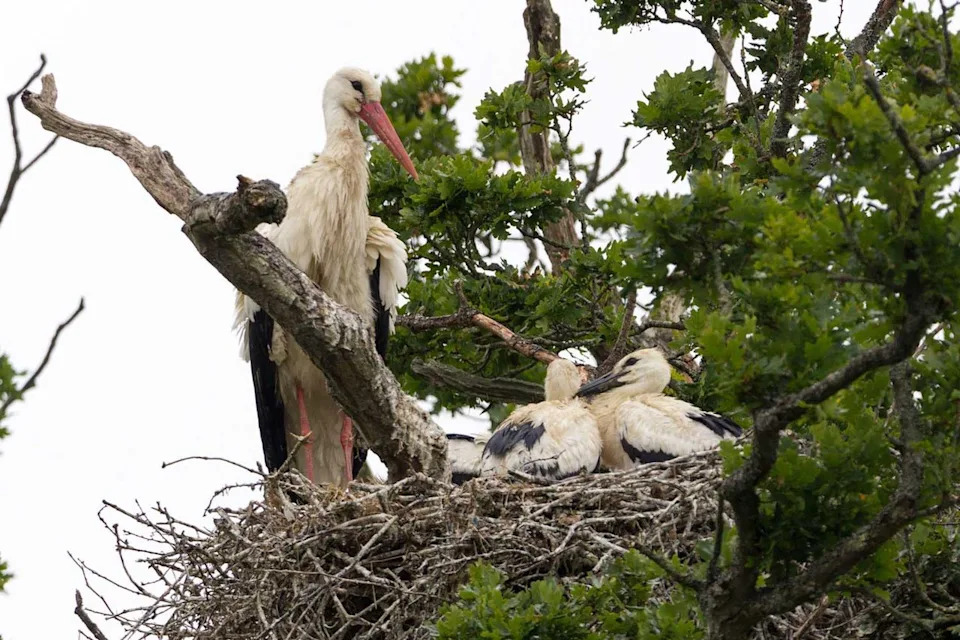
White storks breeding in UK, white with black on wings long, sharp orange bill on adult birdCredit: Alamy
Landscape Restoration and Wider Goals
The £309,000 project is funded by the Veolia Environmental Trust through the Landfill Communities Fund and forms part of a broader landscape-recovery initiative. Willington Wetlands is a 40-hectare (100-acre) rewilding site that was once gravel pits; restoration work has created wet grassland, open pools and reed beds that provide ideal foraging and nesting conditions.
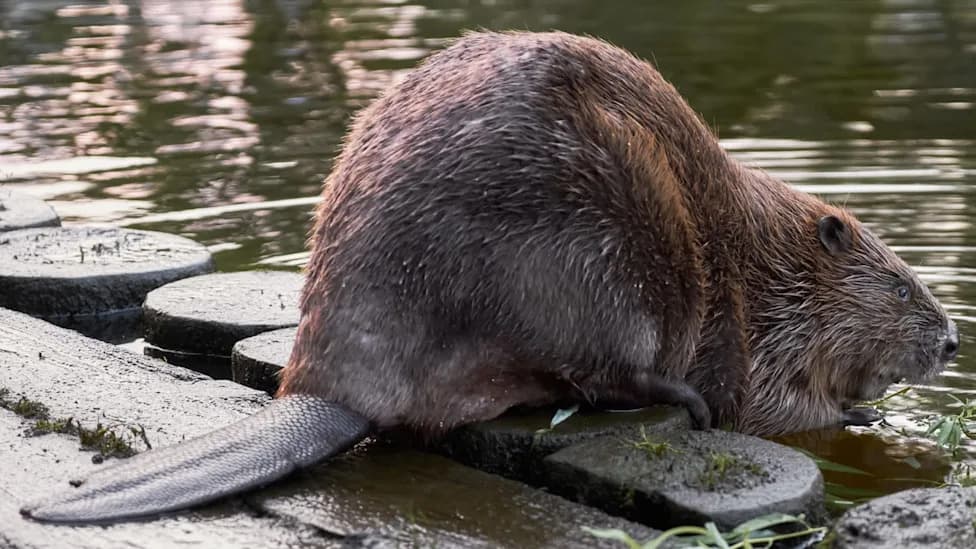
Project leads stress that success will be measured beyond returning a single species. "Our long-term hope is that white storks become part of the Midlands landscape once again, but success is about much more than one species," said Rachel Bennett, director of wilder landscapes and wilder communities at Derbyshire Wildlife Trust. The reserve already hosts Derbyshire's first resident beavers in over 800 years after two pairs of Scottish beavers were released in 2021.
Cultural Significance
White storks have a long cultural resonance across Europe and are often associated with spring and new life. Conservationists hope the birds will not only restore an iconic presence in the landscape but also inspire local communities to reconnect with nature and support healthier wetlands that benefit many species.
Help us improve.