The Panamanian golden frog, absent from the wild since about 2009, has been moved from indoor breeding facilities into protected outdoor enclosures in El Valle de Antón. Conservation teams from EVACC and the Maryland Zoo are tracking tadpoles through metamorphosis to see how outdoor variables — temperature, rainfall and UV exposure — affect growth and readiness for reintroduction. Primary threats to the species included chytridiomycosis, habitat loss and illegal collection; captive breeding programs have kept the species from disappearing. This controlled experiment will guide future efforts to return golden frogs to Panama's rainforests and cloud forests.
Panamanian Golden Frogs Feel Rain Again After 20 Years — A Milestone Toward Reintroduction
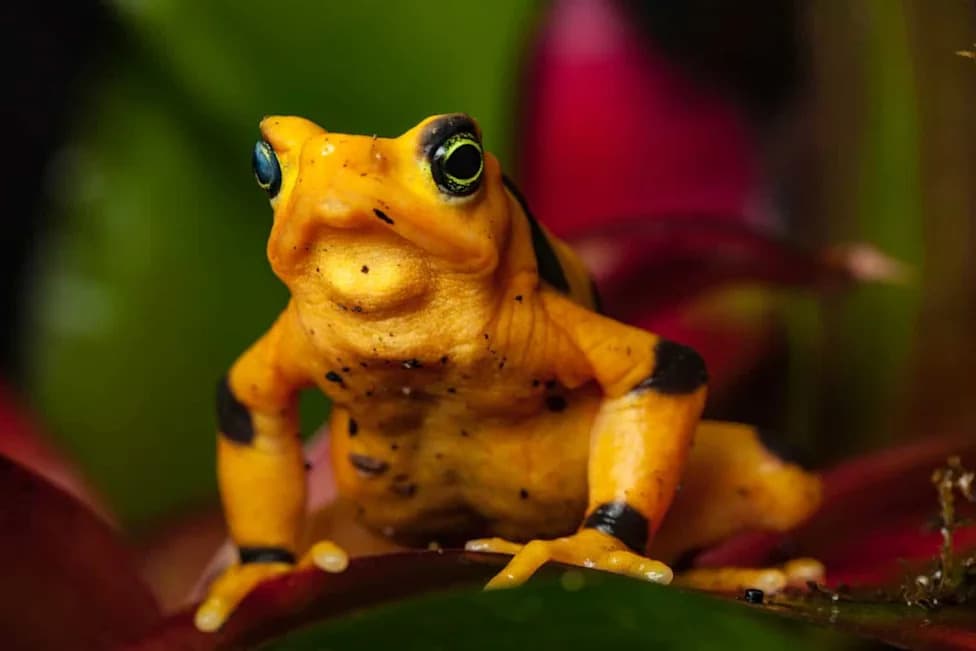
Critically endangered Panamanian golden frog (Atelopus zeteki) in captivity, in a zoo enclosure© K Hanley CHDPhoto/Shutterstock.com
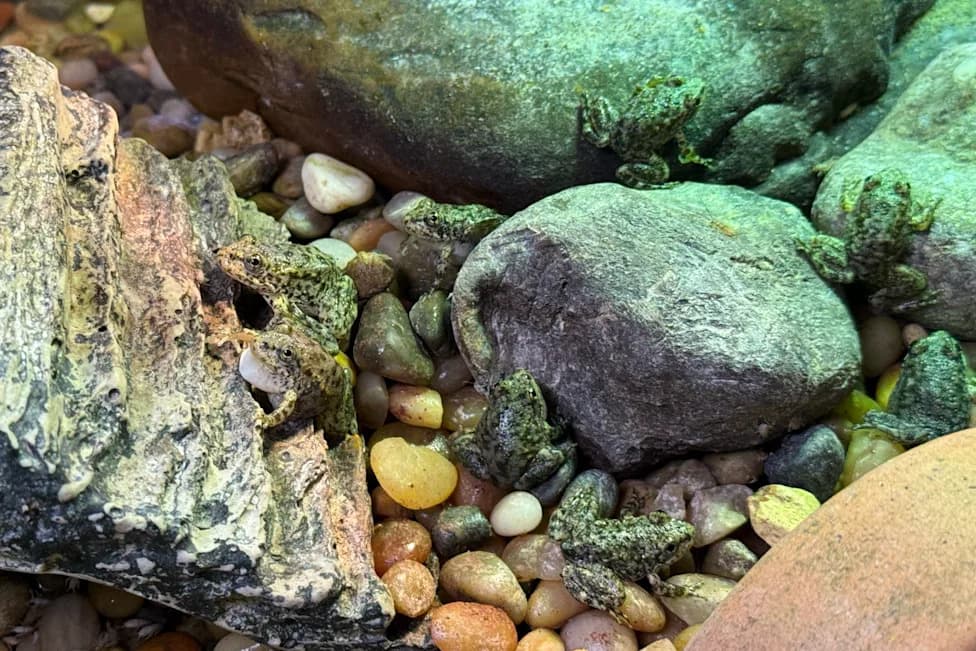
Conservationists have moved critically endangered Panamanian golden frogs (Atelopus zeteki) from long-term indoor breeding facilities into protected outdoor enclosures in El Valle de Antón, Panama. This is the first time many of these frogs have experienced natural weather and outdoor conditions in roughly two decades — an experiment designed to improve their chances for eventual reintroduction to the wild.
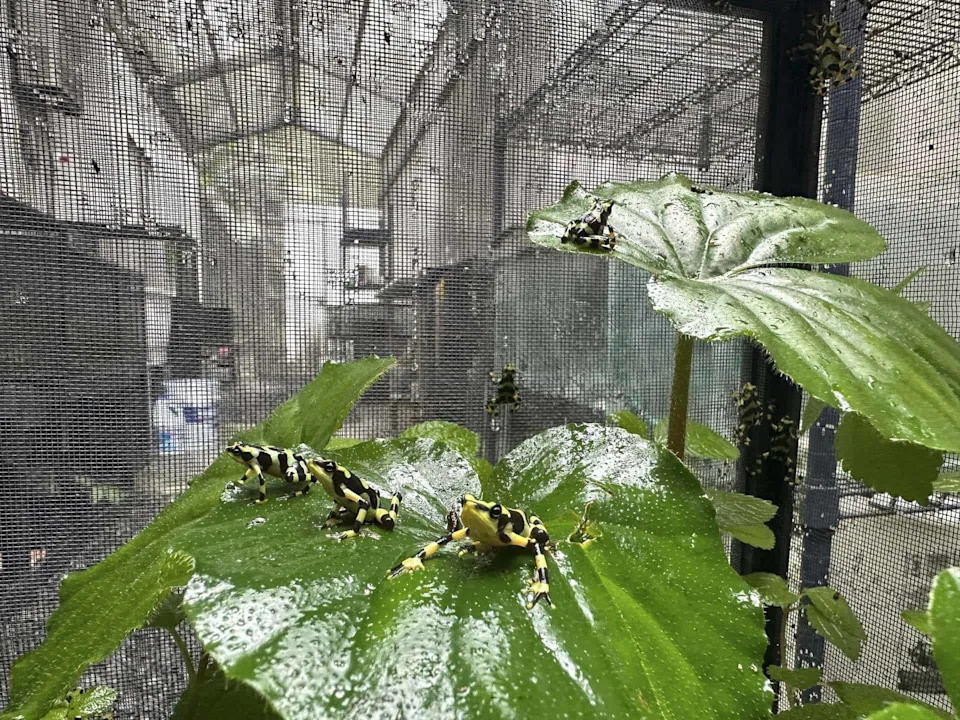
Panamanian golden frogs are being introduced to semi-natural outdoor enclosures in Panama.©Courtesy of the Maryland Zoo –Original
A Historic Step Back Toward the Wild
The Maryland Zoo and the El Valle Amphibian Conservation Center (EVACC) coordinated the transfer of these frogs as part of a controlled study to see how semi-natural outdoor conditions influence their development. "This is the first time since the early 2000s that golden frogs have been allowed to experience the natural elements of El Valle," said Heidi Ross, Project Manager at the EVACC Foundation.
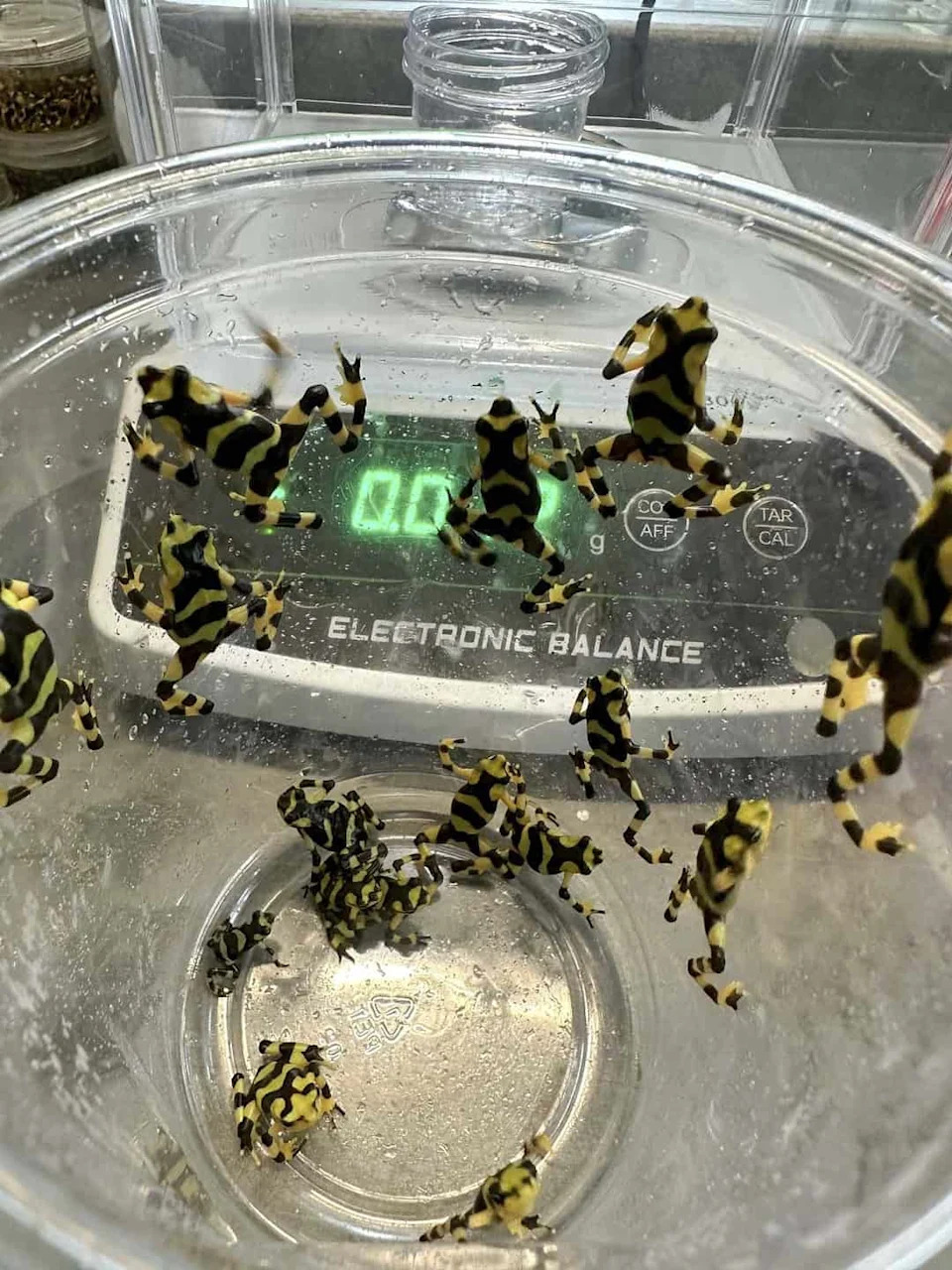
Scientists are carefully monitoring the frogs in their new outdoor enclosures for growth, weight, and other factors.©Courtesy of the Maryland Zoo –Original
Why This Matters
The Panamanian golden frog, once abundant in central Panama's rainforests and mountain cloud forest streams, has not been seen in the wild since about 2009. Populations collapsed primarily from chytridiomycosis, a lethal fungal disease. Habitat loss and illegal collection for the pet trade also contributed to the decline. Captive breeding programs in Panama and North America have, however, preserved breeding populations and prevented extinction.
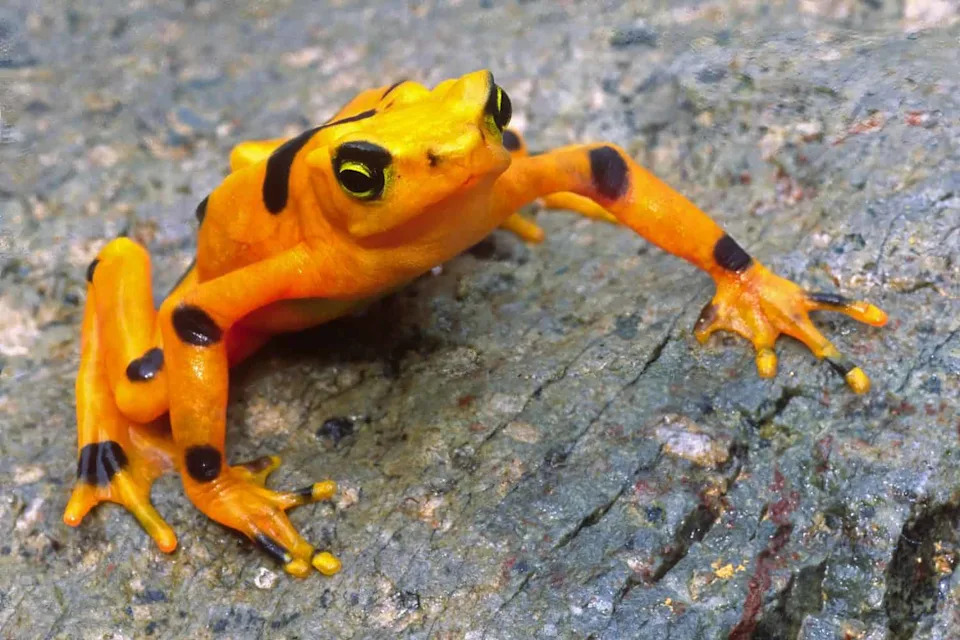
Panamanian golden frogs were once abundant across the rainforests of central Panama.©Mike Redmer/Shutterstock.com
Careful Monitoring in Semi-Natural Enclosures
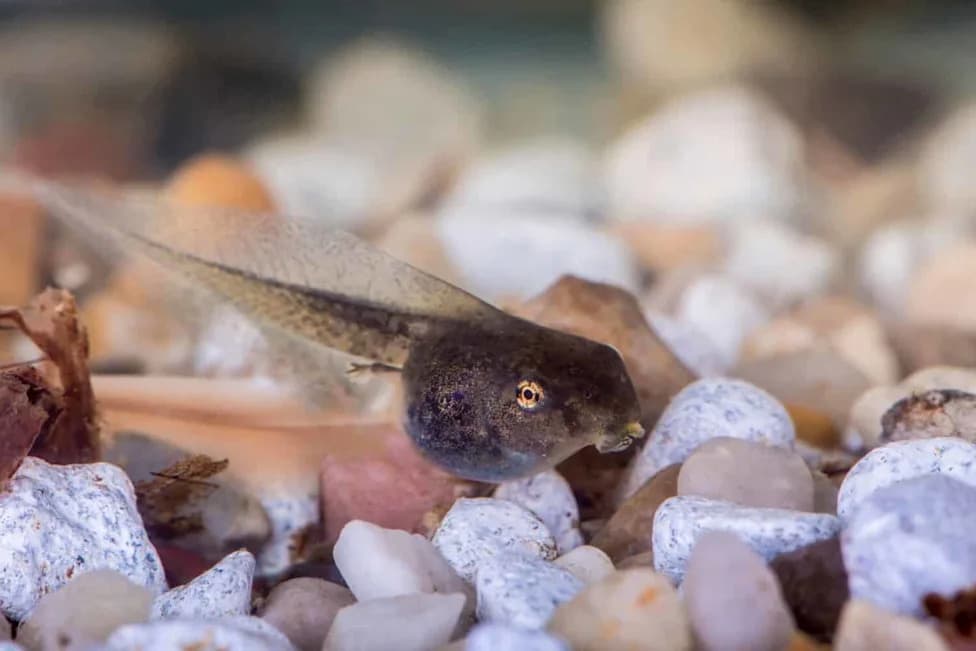
Researchers are tracking animals from the tadpole stage through metamorphosis and into juvenile life. Scientists will compare frogs raised in traditional indoor facilities with those in semi-natural, protected outdoor habitats to understand how exposure to real-world variables affects development and survival.
Key variables being monitored include temperature, rainfall, ultraviolet (UV) exposure, growth rates, weight, behavior and disease susceptibility. The data will inform protocols for eventual reintroduction and help conservationists determine whether these frogs are prepared to live in Panama's rainforests and cloud forests again.
"We are carefully monitoring how variables like temperature, rainfall and UV exposure affect their development," said Ross. "This information could be vital for reintroduction efforts."
Ellen Bronson, Senior Director of Animal Health, Conservation, and Research at the Maryland Zoo, added that the move is an encouraging milestone: "It is incredibly exciting to see the efforts we have made over the past two decades to keep this species healthy now moving closer to a day when they are back in the wild in the El Valle de Antón region."
What Comes Next
If the semi-natural rearing improves survival and prepares frogs to cope with outdoor conditions, the results will shape future reintroduction attempts. The experiment is a cautious but important step toward restoring the Panamanian golden frog to its native habitats.
Help us improve.