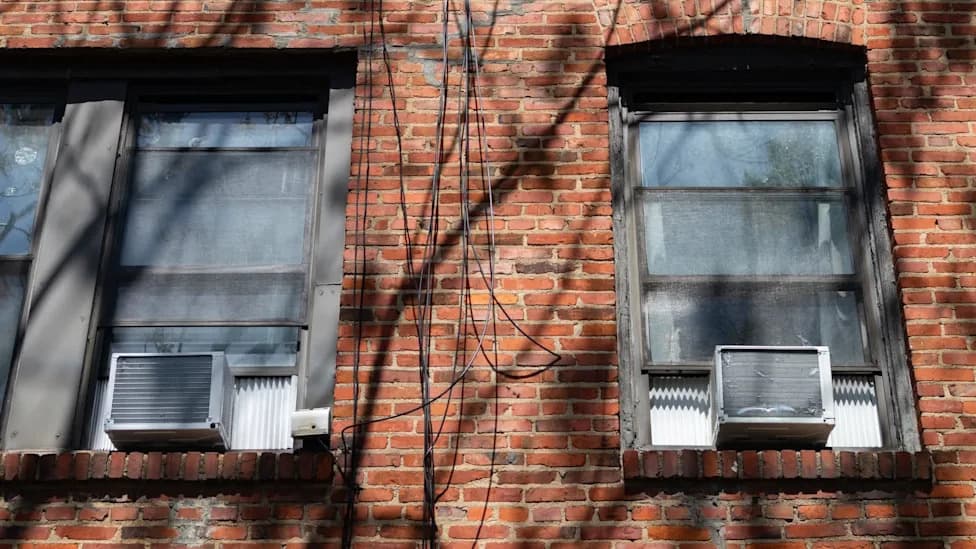
As heat waves intensify, air conditioning is saving lives but also driving emissions: refrigeration and cooling systems represent about 7% of global greenhouse gases and could double by 2030 and triple by 2050. Access is uneven—only ~40% of people exposed to dangerous heat have AC, and the poorest may spend up to 8% of income on inefficient units. Studies show passive cooling can cut AC demand by up to 80% and lower temperatures by more than 4°C; experts call for policy action to scale these solutions.
Cooling Emissions Could Triple By 2050 as Heat Waves Make AC Essential — But Costly
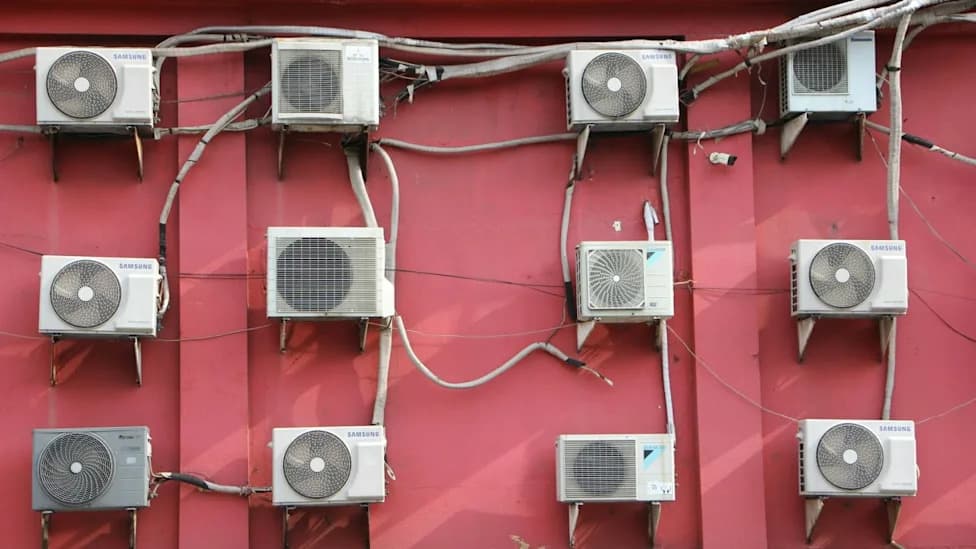
Cooling Emissions Are Set to Triple by 2050 as Heat Waves Intensify
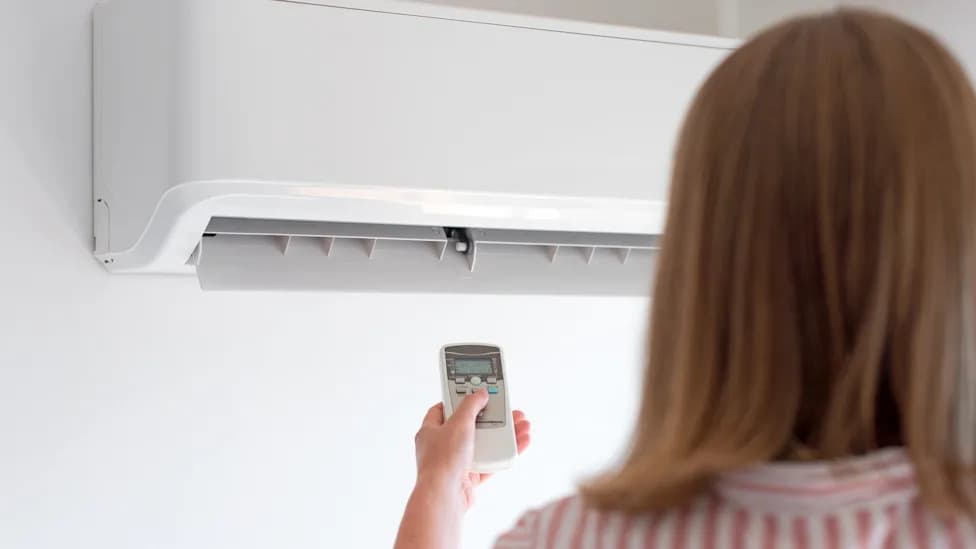
Air conditioning has become both a lifesaving necessity and a growing climate problem as heat waves intensify worldwide. Cooling systems are increasingly treated as essential infrastructure because extreme heat is becoming more frequent and deadly. Yet while mechanical cooling protects vulnerable people today, it also adds substantially to greenhouse gas emissions and can distract from longer-term, equitable climate solutions.
"Of all extreme weather, high temperatures are overwhelmingly the most deadly,"the Economist recently observed. A Lancet analysis covering 2000–2019 estimated that nearly half a million people died from heat each year during that period, most of them elderly and especially vulnerable. In that context, air conditioning is credited with preventing roughly 190,000 heat-related deaths annually.
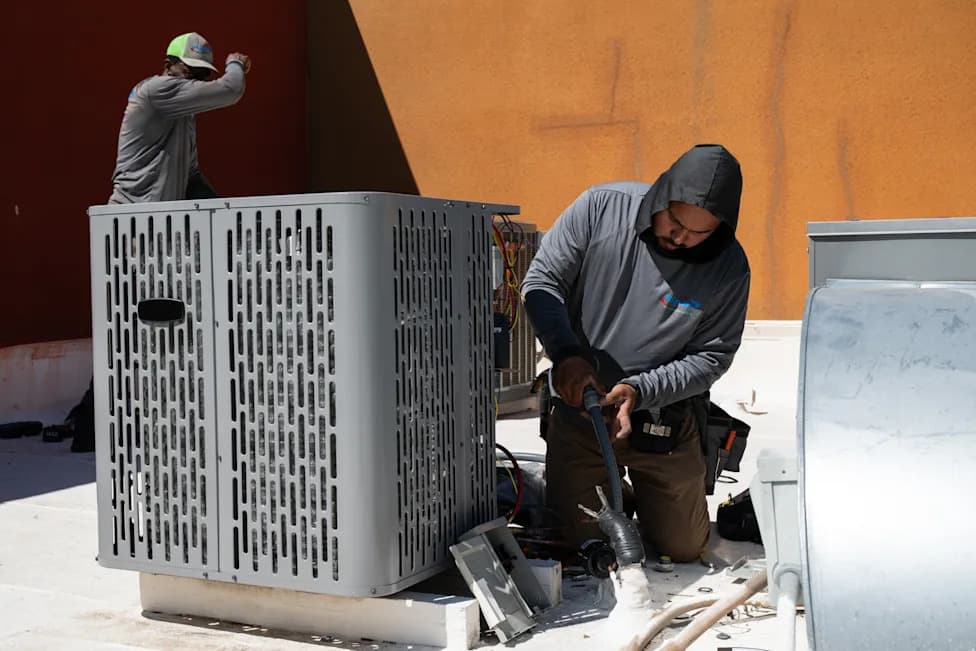
However, cooling has a significant climate footprint. Refrigeration and air-conditioning systems account for about 7% of global greenhouse gas emissions today, and current trajectories suggest those emissions could double by 2030 and triple by 2050 if demand and inefficient technologies persist.
Mat Santamouris, Professor of High Performance Architecture at UNSW Sydney, summed up the dilemma in a recent statement:
"Air conditioning saves lives and will remain essential during extreme heat. But we cannot air-condition our way out of climate change. If every building depends entirely on mechanical cooling, we create enormous pressure on electricity systems while adding even more heat to our cities."
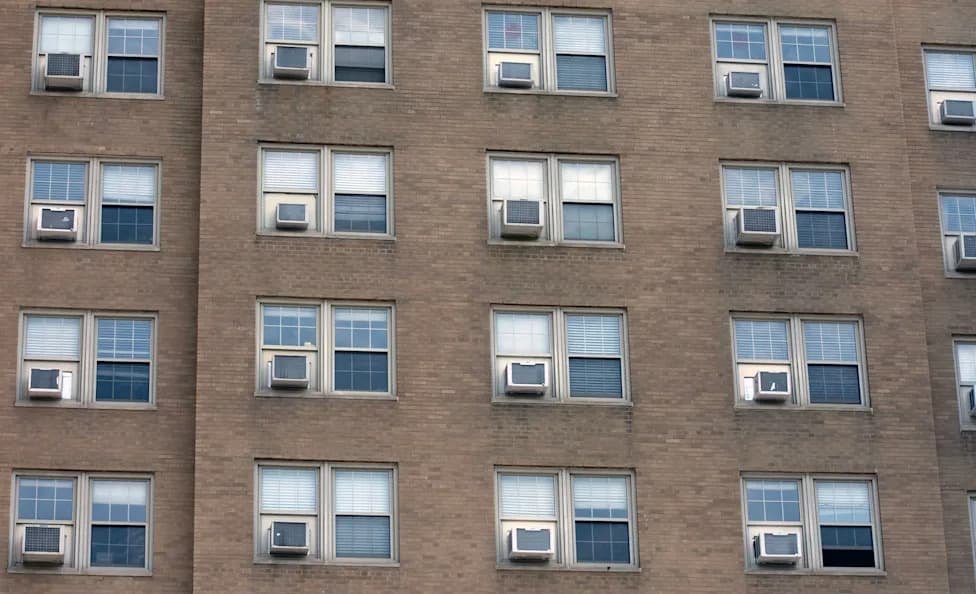
Access to cooling—and the burdens it creates—is highly uneven. More than 80% of the world's population regularly experiences heat levels that would justify cooling, yet only about 40% of those people actually have access to air conditioning. The largest shortfall is in the poorest, hottest countries, where governments often lack the capital to upgrade grids and households lack the means to buy efficient units.
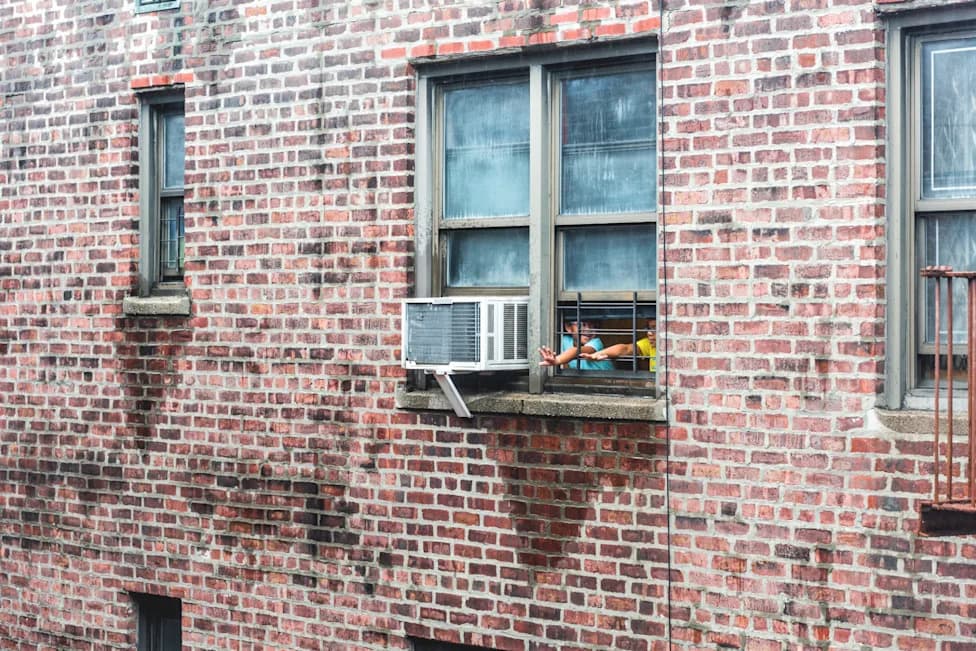
Poor households frequently purchase low-cost, inefficient air conditioners that consume more electricity and are used in poorly insulated homes. The Economist reports that the poorest people may spend up to 8% of their income on cooling, compared with roughly 0.2–2.5% in wealthier households—creating both a financial and an efficiency penalty.
There are alternatives that reduce reliance on energy-intensive mechanical cooling. A study in Nature Reviews: Clean Energy finds that passive cooling techniques—such as ventilative cooling, improved insulation, reflective or solar-control façades, and smart urban design—can cut demand for mechanical air conditioning by up to 80% and lower local ambient temperatures by more than 4°C (7.2°F). Many of these approaches are technologically mature and can be scaled quickly if supported by policy.
Experts argue that air conditioning should be used thoughtfully—prioritized for immediate life-saving needs—while policymakers accelerate investments in passive cooling, building retrofits, grid upgrades, and efficient, low-carbon cooling technologies. These steps can protect public health, reduce emissions, and address the inequities that leave the poorest most exposed to both heat and high energy costs.
By Haley Zaremba for Oilprice.com.
Help us improve.