The study, published in the New England Journal of Medicine, finds that economic inequality is a stronger predictor of pandemic outcomes than technical capacity such as labs or stockpiles. Countries with higher inequality tended to suffer worse COVID-19 and AIDS outcomes, while several lower-inequality nations fared better. Authors urge "inequality-informed" preparedness — including paid sick leave, cash transfers, debt relief and global access to medical technologies — though some experts call for more quantitative modelling to test assumptions.
Inequality Best Predicts How Nations Weather Pandemics, Study Finds
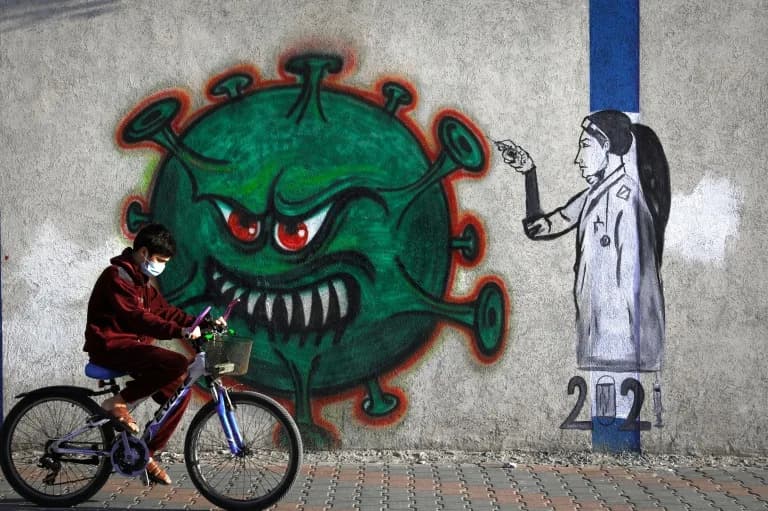
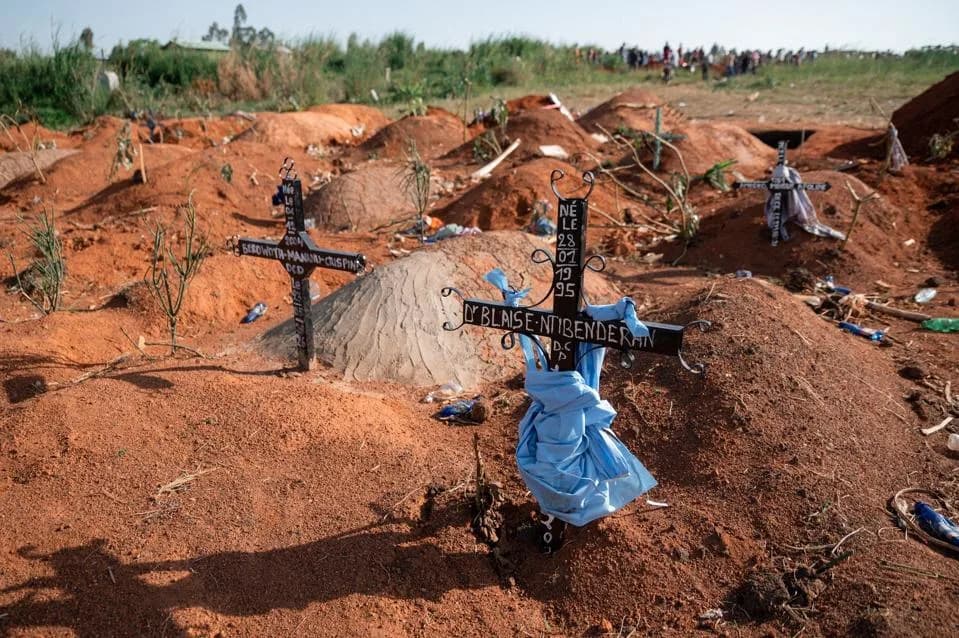
How will your country fare during the next pandemic? Its level of inequality is the best predictor, research has shown (Mohammed ABED)
New research argues that economic inequality, more than laboratory capacity or stockpiles, best predicts how well countries cope with pandemics. Published in the New England Journal of Medicine and set to be presented at an international AIDS conference in Rio de Janeiro, the paper calls for a shift toward "inequality-informed" pandemic preparedness.
Key Findings
The authors — convened by the Global Council on Inequality, AIDS and Pandemics — report no clear link between a country's technical capacities (for example, testing labs or trained emergency personnel) and its pandemic outcomes for COVID-19 and AIDS. Instead, they found a consistent association: higher economic inequality correlates with worse pandemic results, while countries with lower inequality often fared better.
Examples cited include high-ranked preparedness countries such as the United States and the United Kingdom, which experienced substantially higher COVID-19 cases and deaths than the global average. By contrast, several lower-inequality countries — including Vietnam, Mauritius, Ethiopia, Uruguay and Norway — recorded markedly better outcomes despite being rated as less technically prepared.
Policy Recommendations
The paper’s authors, including economics Nobel laureate Joseph Stiglitz and lead author Matthew Kavanagh of Georgetown University, urge policymakers to adopt "inequality-informed pandemic preparedness." Recommended measures include:
- Expanding social protections such as paid sick leave, robust unemployment support and targeted cash transfers so people can stay home during outbreaks without risking basic needs;
- Providing debt relief to low-income countries when a pandemic is declared to free up fiscal space for responses;
- Ensuring global access to life-saving technologies in emergencies, including equitable distribution of vaccines, tests and treatments;
- Reforming intellectual property approaches — for example, replacing restrictive patents with prize systems that reward innovation while enabling broader production and access.
Debate And Next Steps
"The deeper the inequality in the country is, the deeper that pandemic is going to be,"
Matthew Kavanagh said, adding that reducing inequality toward levels seen in countries such as South Korea would meaningfully improve global resilience. Stiglitz emphasized that inequality results from policy choices and can be changed.
Not all experts are fully convinced. Raina MacIntyre, a professor of global biosecurity at the University of New South Wales who was not involved in the study, told AFP the paper "makes many valid points" but warned that some assumptions lack support from quantitative modelling or risk analysis. She noted other important determinants — such as universal healthcare systems, national leadership and cultural factors — also influence pandemic performance.
The research will be presented at the AIDS conference in Rio, where debates continue over global sharing of vaccines and drugs — a tension highlighted during COVID-19 when wealthy countries purchased the majority of early vaccine supplies. The authors argue that leaving access decisions to pharmaceutical companies risks perpetuating future pandemics.
Bottom line: The study reframes pandemic preparedness to include social and economic inequality as core risk factors and calls for concrete policy changes to prevent inequity from deepening future health crises.
Help us improve.