The U.N. held a day-long session to keep pandemic preparedness high on the agenda amid competing global priorities. Assembly President Khalilur Rahman and health leaders urged nations not to forget the lessons of COVID-19 and pointed to an escalating Ebola outbreak in the Democratic Republic of Congo. Delegates failed to reach consensus on a draft declaration that calls for increased financing, stronger lab capacity, better vaccine and medicine access, and universal sexual and reproductive health by 2030. The General Assembly will continue consultations to try to bridge divisions.
UN Push for Pandemic Preparedness Stumbles as Nations Split Over Draft Declaration
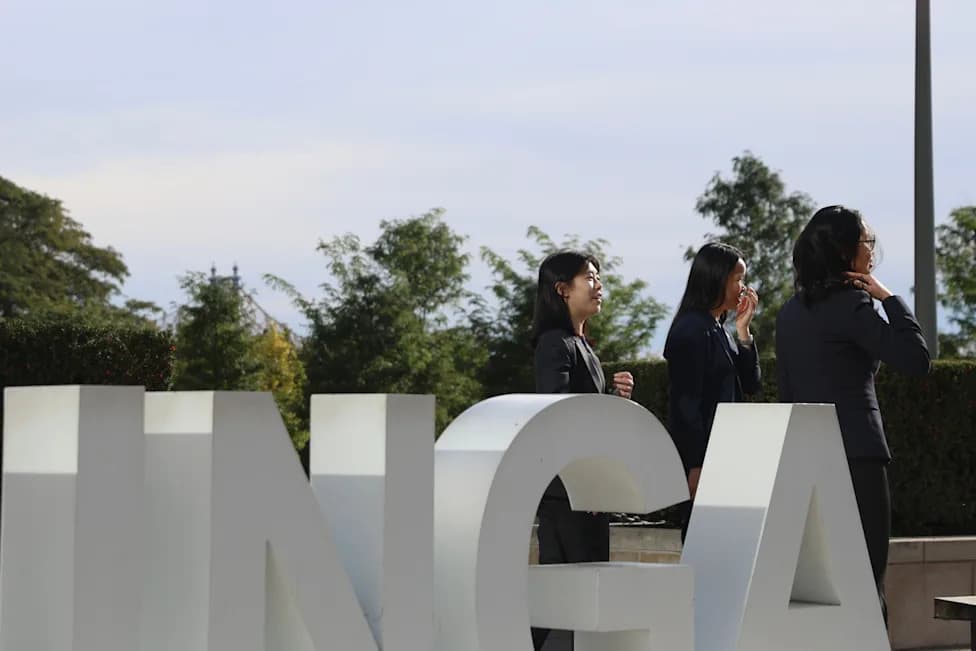
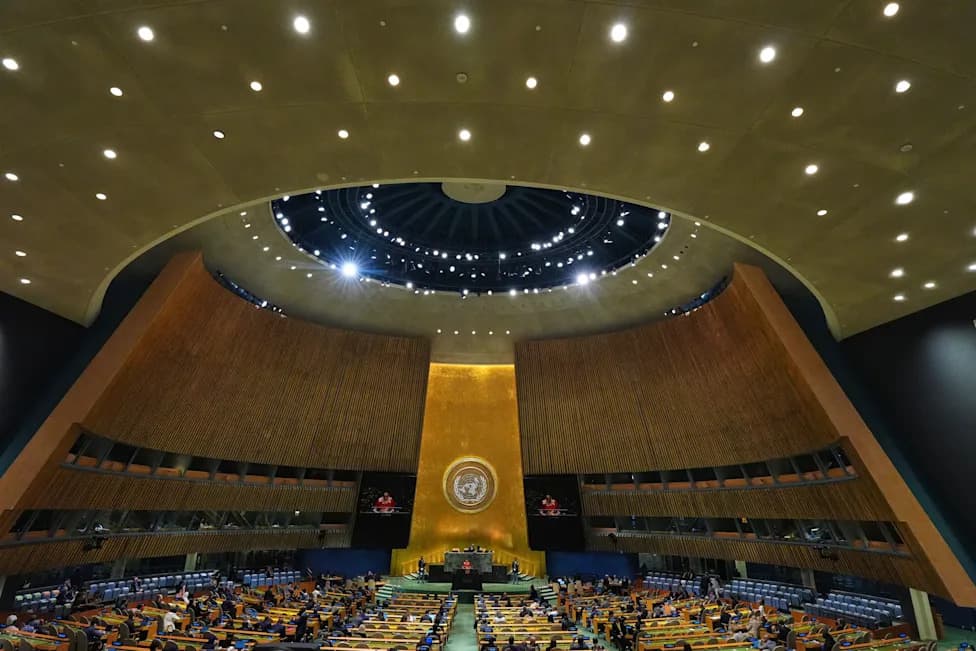
People pose for photos at United Nations headquarters during the 81st session of the United Nations General Assembly, Friday, Sept. 25, 2026. (AP Photo/Heather Khalifa)(AP Photo/Heather Khalifa)
Six years after COVID-19 forced the United Nations General Assembly to meet virtually for the first time, pandemics no longer dominate this year’s gathering in New York. Wars, natural disasters, geopolitical tensions and an intense focus on artificial intelligence have taken center stage. Still, U.N. leaders and global health officials convened a day-long meeting to ensure pandemic preparedness remains on the international agenda.
Assembly President Khalilur Rahman opened the session by urging members not to forget the wrenching toll of COVID-19 — lockdowns, overwhelmed hospitals, shuttered schools, economic disruption and personal tragedies. He recalled sleepless nights while his daughter, a physician, treated coronavirus patients and warned that ‘‘sometimes it is easier to pretend that it never happened,’’ adding that the world must examine what worked and what failed.
Rahman underscored the urgency as the world confronts the fastest-growing Ebola outbreak in the Democratic Republic of Congo. Since the peak of the coronavirus emergency, a range of international financing mechanisms, collaborative initiatives and scientific programs have emerged to strengthen pandemic readiness. Yet divisions remain, and those splits were evident when delegates failed to reach consensus on a draft declaration intended to close the special meeting.
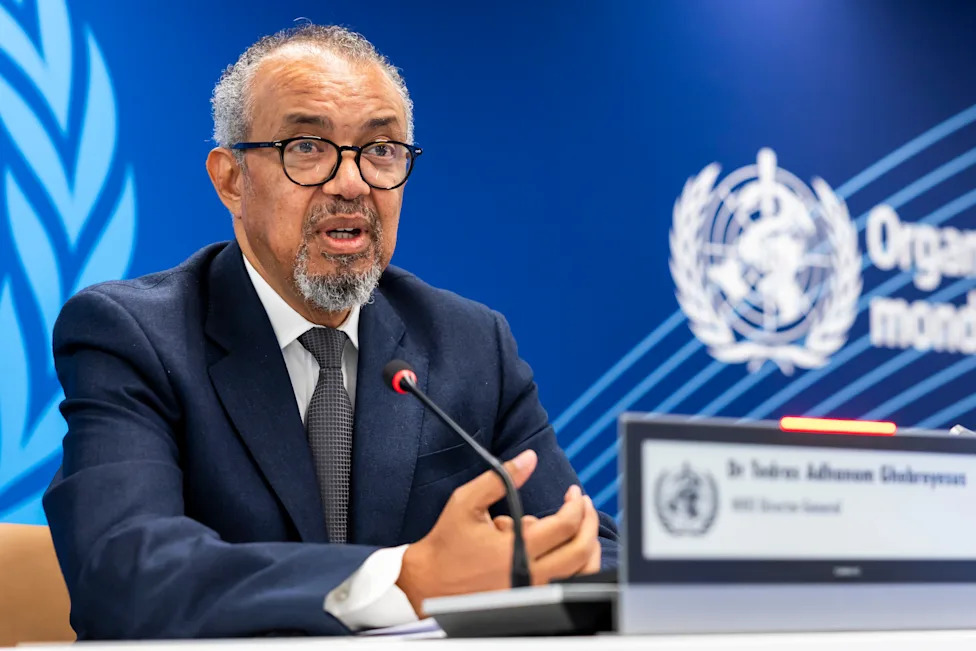
Tedros Adhanom Ghebreyesus, Director General of the World Health Organization (WHO), briefs the media during a press conference organized by the Geneva Association of United Nations Correspondents (ACANU), at the World Health Organization (WHO) headquarters in Geneva, Switzerland, Wednesday, Sept. 2, 2026. (Salvatore Di Nolfi/Keystone via AP)(Salvatore Di Nolfi/Keystone via AP)
The draft declaration — which Rahman said the General Assembly will revisit — calls for scaling up preparedness, strengthening coordination within and among countries, increasing financing, expanding laboratory capacity and improving access to medicines and vaccines. It also endorses efforts to counter vaccine hesitancy and health-related misinformation, promote gender-equal health policies, and achieve universal access to family planning and sexual and reproductive health services by 2030.
Supporters, including former New Zealand prime minister Helen Clark (co-chair of the Independent Panel on Pandemic Preparedness and Response) and WHO Director‑General Tedros Adhanom Ghebreyesus, said the declaration would drive concrete, measurable action to close gaps in global readiness. Several countries — from South Korea to Cape Verde to Guatemala — voiced support. The draft was facilitated by Armenia and Rwanda, and representatives for a coalition of African states and a Caribbean countries’ association described it as an expression of solidarity and cooperation.
But the text failed to secure unanimous backing. The European Union said it did not go far enough on financing accountability and efficiency, while Germany called for a stronger emphasis on prevention. The United States objected to language referring to “divisive ideologies” and raised concerns about a proposed benefit‑sharing mechanism that would link the sharing of virus samples with access to tests, medicines and vaccines. (The U.S. had announced an intent to withdraw from the WHO in 2020 under the previous administration but rejoined the organization in 2021.)
Negotiations on a separate pandemic agreement and on mechanisms for virus-sample sharing and benefit sharing are ongoing at the World Health Organization. Delegates said the draft declaration could help accelerate cooperation and risk monitoring, but lawmakers must bridge divides before the document can serve as a unified roadmap.
What’s next: The General Assembly will continue consultations on the draft declaration, with the aim of returning to the issue and building broader consensus in the coming weeks and months.
Help us improve.