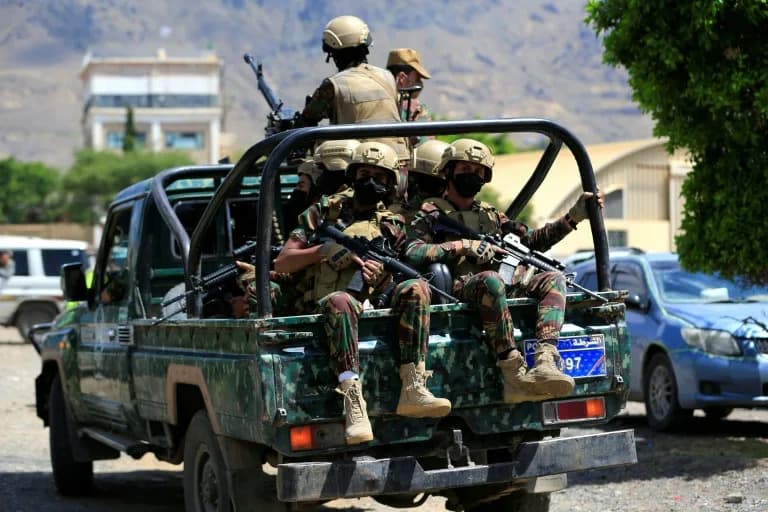
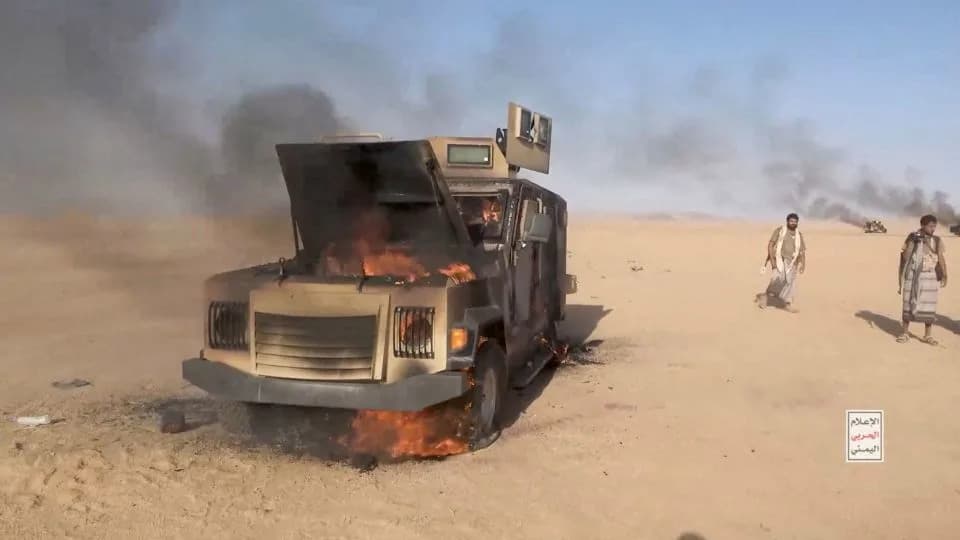
Saudi Arabia has increasingly engaged in military action alongside the US after sustained drone and missile attacks by Iran‑aligned militias and the Houthis. Riyadh now faces a stark choice: continue limited retaliation to deter attacks or pursue de‑escalation measures that may include targeted payments or negotiated truces. Key risks include repeated strikes on vital oil infrastructure, threats to shipments through the Strait of Hormuz and Bab El Mandeb, and the prospect of a wider regional conflagration that would hit global energy markets.
Saudi Arabia’s Tough Choice: Escalate or De‑escalate as Regional War Risks Ripple Through Energy Routes

Saudi Arabia's Crown Prince has embarked the country on a course known as Vision 2030 [AFP via Getty Images]
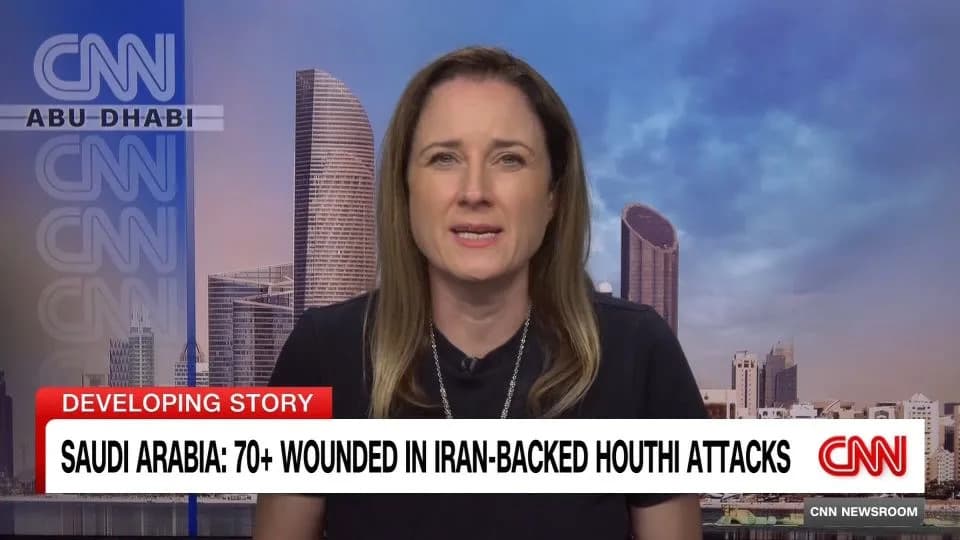
Saudi Arabia faces a strategic crossroads. After months of rising tensions across the Gulf and a recent wave of attacks from Iran‑aligned militias and the Houthi movement, Riyadh has taken part in joint strikes with US forces. The kingdom must now decide whether to continue limited military responses to deter future attacks or pursue de‑escalation measures to protect its economy and Vision 2030 reforms.
Who Is Involved—and Why It Matters
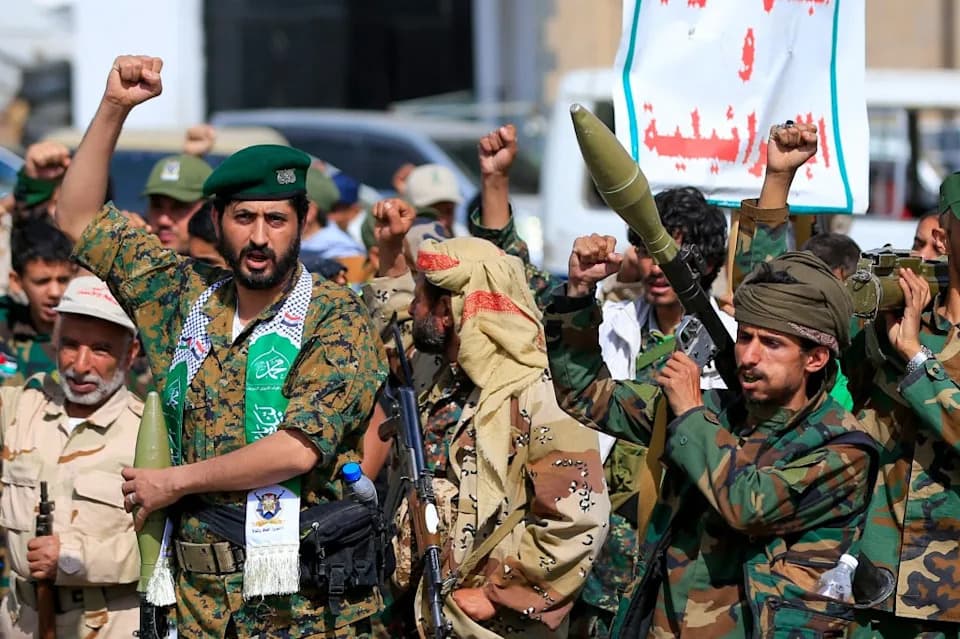
The current confrontation broadly divides into two camps: Iran and its regional partners on one side, and the United States and several Gulf Arab states on the other. Iran’s Islamic Revolutionary Guard Corps (IRGC) backs groups such as the Houthis in Yemen and elements of Iraq’s Popular Mobilisation Forces (PMF), which Riyadh accuses of launching dozens of drone strikes into Saudi territory. Hezbollah in Lebanon is aligned with Tehran but has been relatively quiet in recent months.
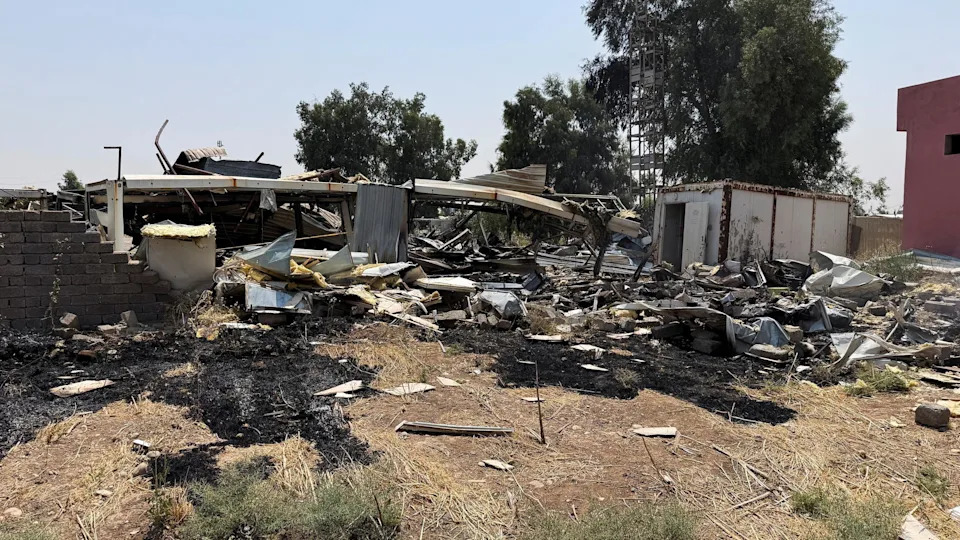
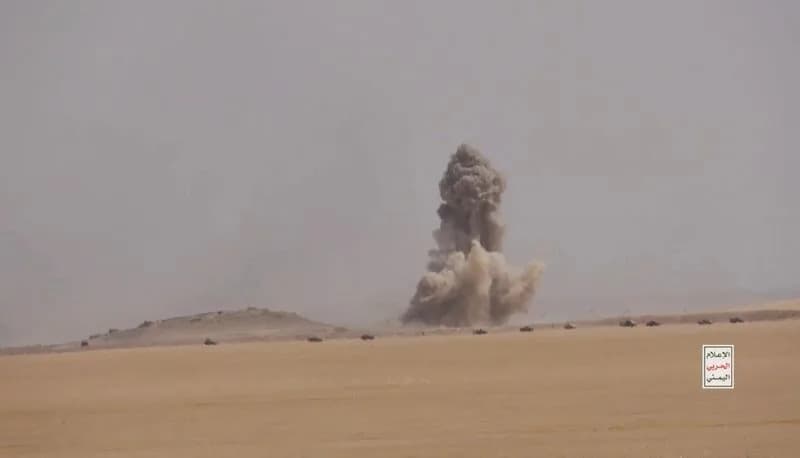
The US and Saudi Arabia carried out strikes at a site belonging to Iraq's paramilitary Popular Mobilisation Forces [Reuters]
The US retains a powerful Central Command (Centcom) presence in the region and has coordinated with Saudi forces in recent counter‑strikes. Israel remains a close US partner, though it has not been a prominent active combatant in this phase.
Energy Security And Vulnerabilities
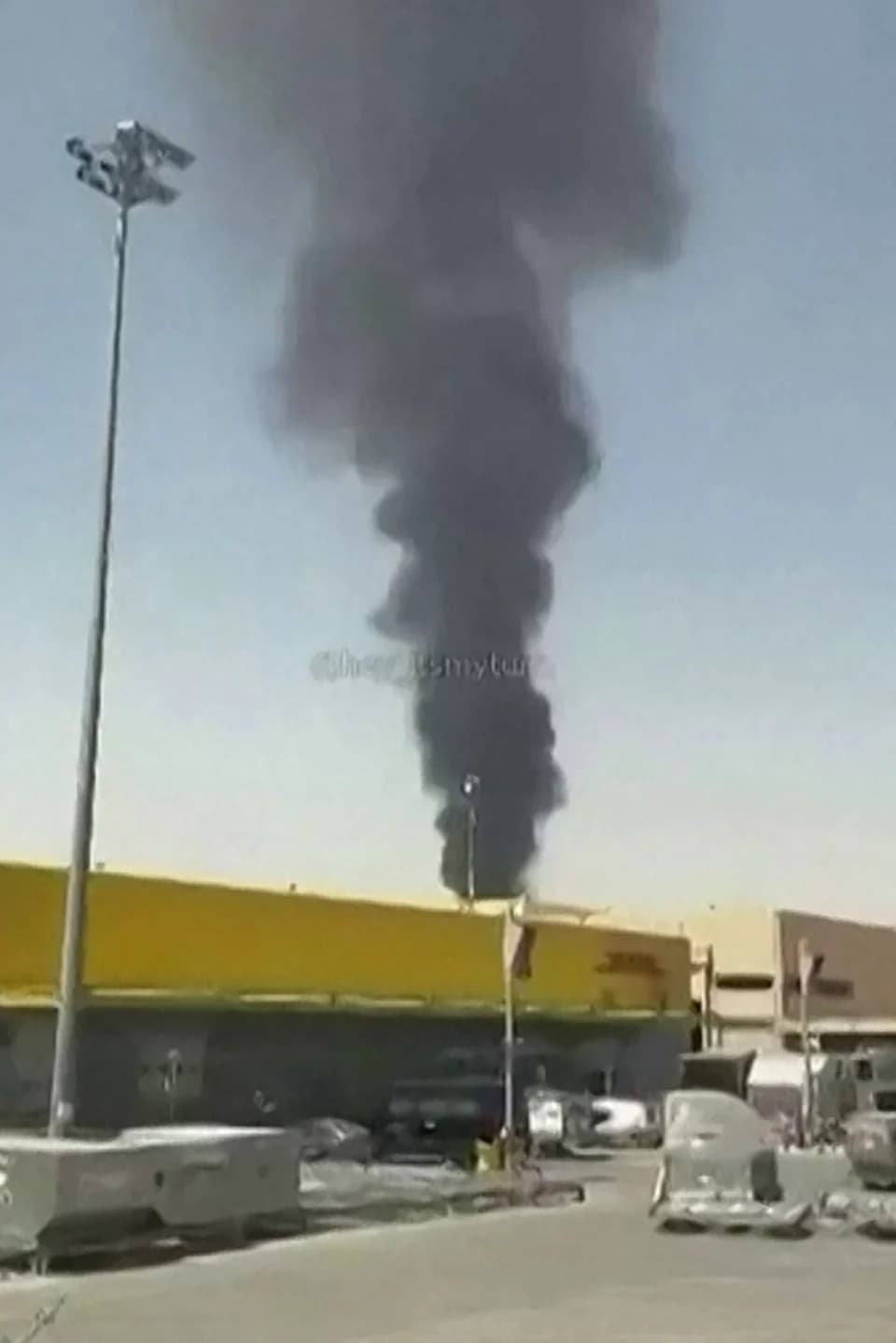
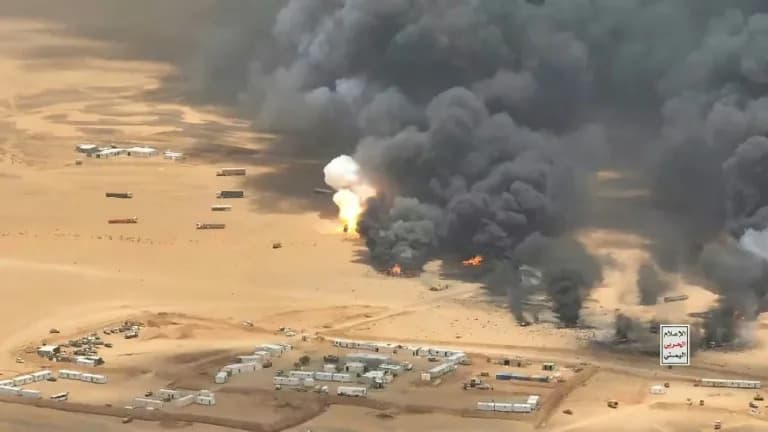
Oil and shipping routes are at the center of Riyadh’s strategic calculations. The 2019 drone strike on the Abqaiq and Khurais oil facilities—widely attributed to Iran‑aligned proxies—knocked out a large share of Saudi exports and underscored how vulnerable critical infrastructure can be. Satellite imagery has since shown renewed strikes on energy sites, keeping those risks front and center.
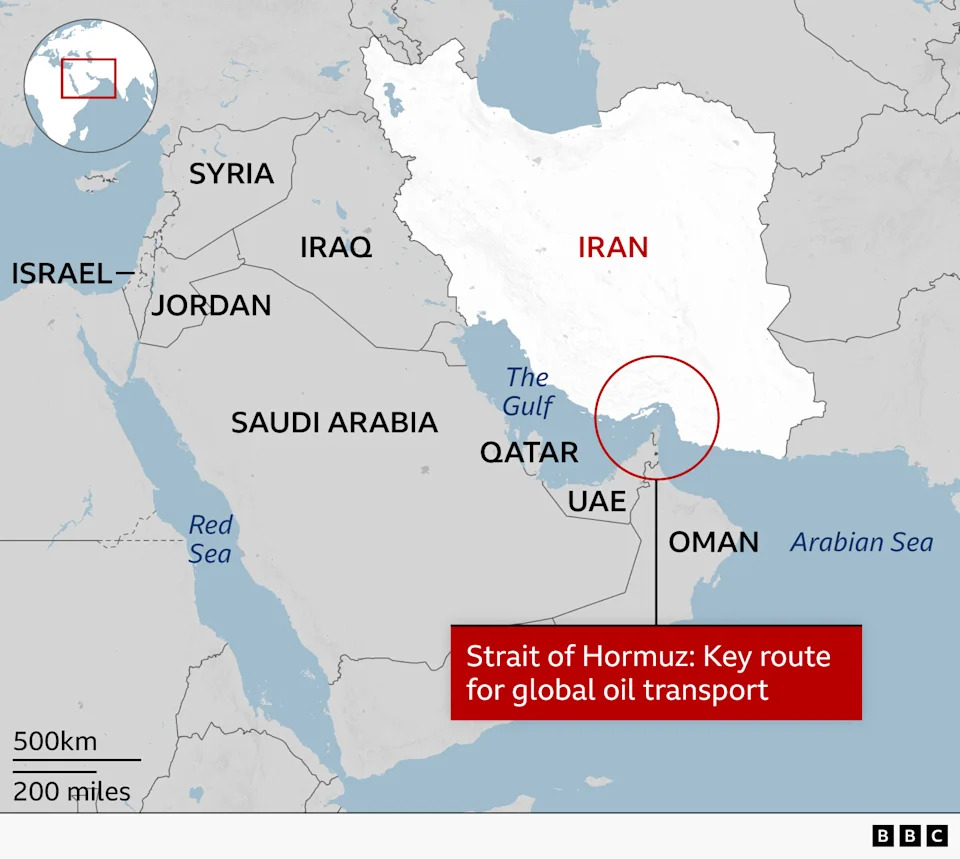
[BBC]
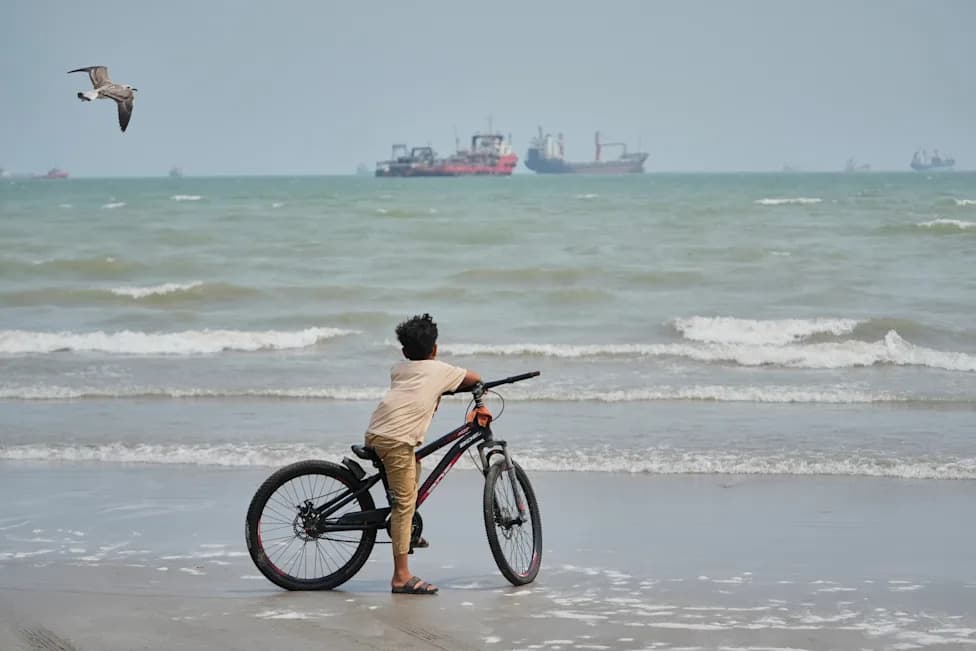
After Iranian pressure on the Strait of Hormuz earlier this year, Saudi Arabia diverted roughly five million barrels per day via an east‑west pipeline to Yanbu on the Red Sea to keep supplies flowing to Asia. That workaround, however, exposes shipping to threats in the Red Sea and Bab El Mandeb strait when Houthi forces expand attacks on vessels and ports.
Yemen And The Houthi Factor
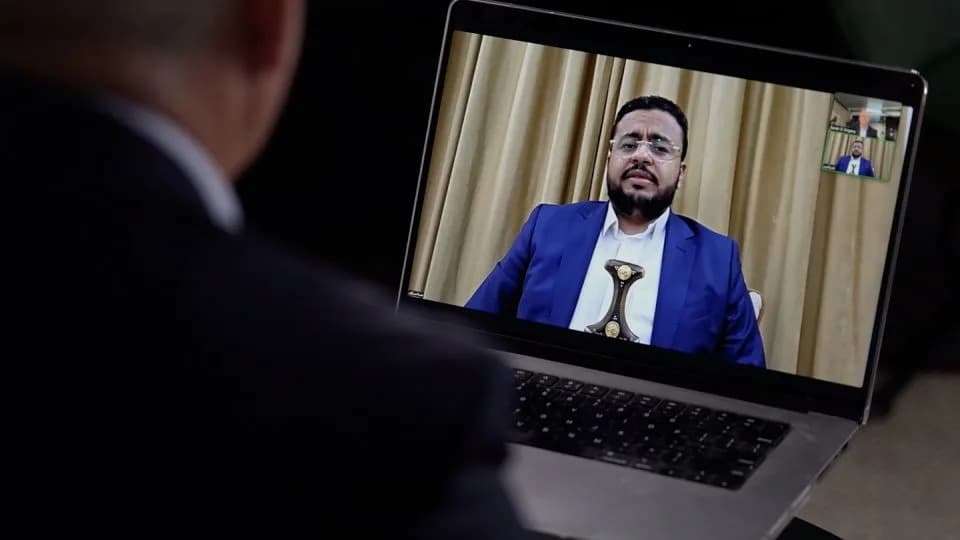
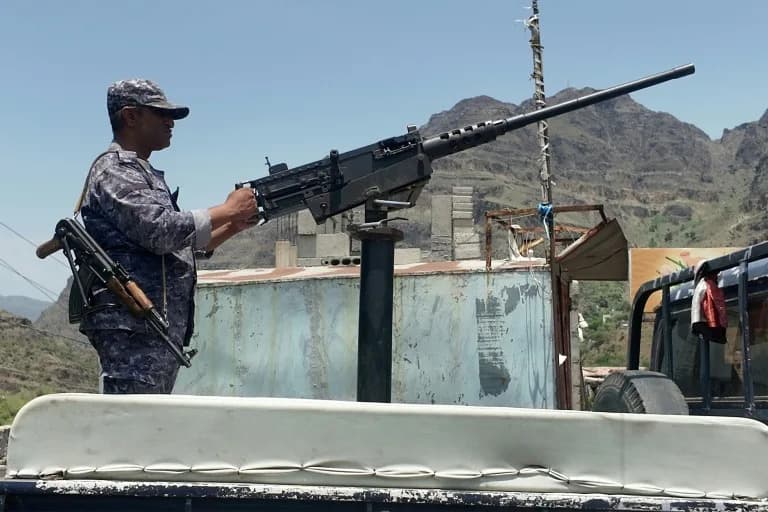
The Houthis have broadened their campaign in recent months, striking Saudi airports and targeting merchant shipping. Riyadh fought an extended—and costly—campaign in Yemen for years and negotiated a fragile truce in 2022 that included reported financial arrangements. Those arrangements and the truce reduced—but did not remove—the risk of renewed escalation.
Choices For Riyadh
Saudi decision‑makers now face several imperfect options: continue calibrated military strikes to deter further attacks, which risks retaliation and wider escalation; pursue targeted diplomacy and confidence‑building measures with intermediaries; or use incentives, localized payments, or political deals to buy quiet along vulnerable borders and sea routes. Each choice carries economic and political trade‑offs that will affect Vision 2030’s appeal to foreign investors and the kingdom’s long‑term stability.
What Comes Next
The conflict may widen unless a durable diplomatic channel between the US and Iran, or between Riyadh and Tehran’s proxies, reduces incentives for proxy attacks. Meanwhile, disruptions to energy infrastructure and shipping lanes threaten broader global markets.
Bottom line: Saudi Arabia’s immediate priority is protecting its critical infrastructure and economy, but the path it chooses—escalation, de‑escalation, or a mix of deterrence and diplomacy—will shape the wider regional balance and global energy stability.
Help us improve.