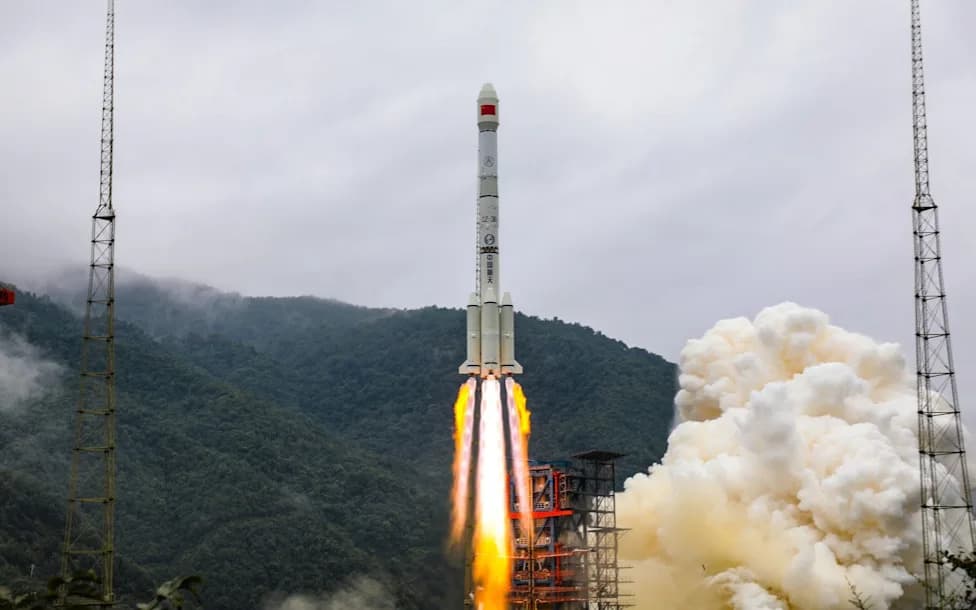
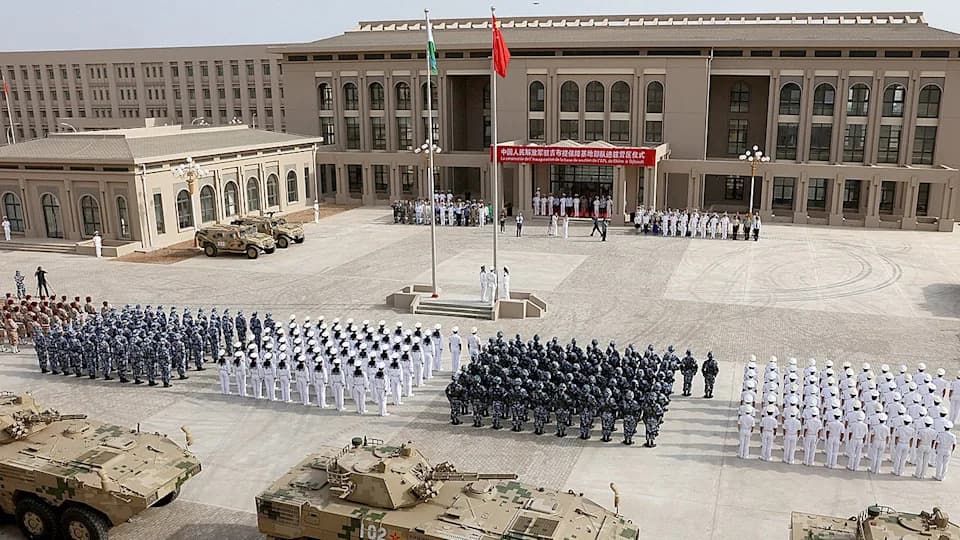
China’s BeiDou constellation now operates 56 satellites versus about 31 for the U.S. GPS, closing the satellite capability gap as Beijing seeks greater space leadership. The program accelerated after a 1996 denial of GPS access during Chinese military activity, prompting China to build an independent navigation system. Beijing has exported BeiDou access through the Digital Silk Road, and recent U.S. sanctions targeted Chinese firms accused of providing satellite imagery to Iran. BeiDou strengthens China’s surveillance independence and its influence over international timekeeping and technical standards.
US–China Space Race Intensifies: BeiDou’s 56 Satellites Narrow the GPS Gap
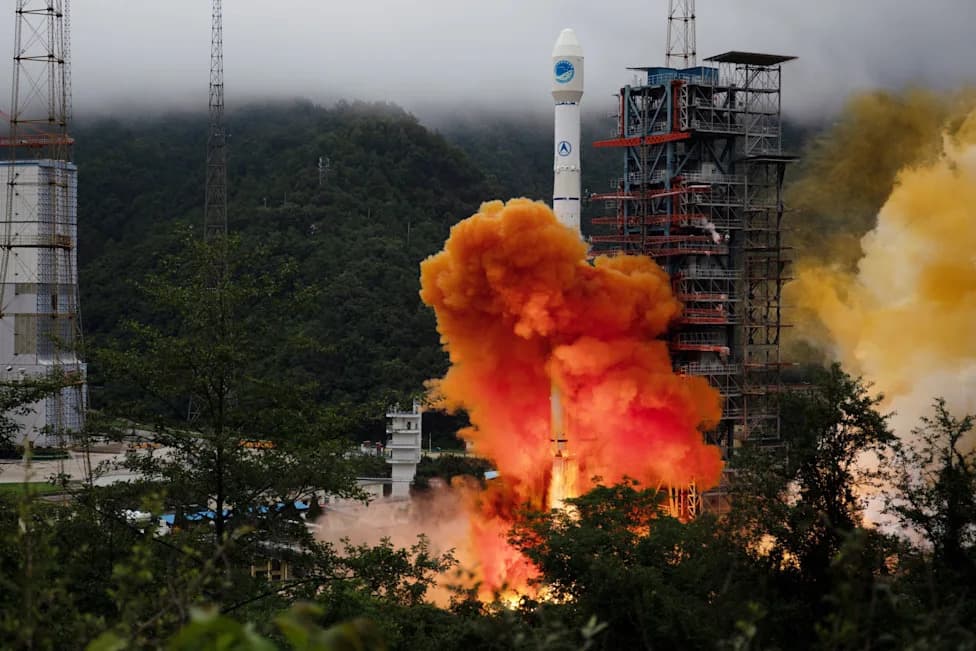
US-China space race intensifies
China is rapidly closing the satellite capability gap with the United States as Beijing pushes to become the world’s leading space power. Its BeiDou navigation and timing constellation now operates 56 satellites, compared with about 31 satellites that power the U.S. Global Positioning System (GPS), giving China greater resilience and some capabilities that rival or complement GPS.
Origins and Strategic Impact
China’s drive for an independent navigation system was accelerated after a 1996 incident when U.S. authorities withheld GPS access during a period of Chinese military activity near Taiwan. That move prompted Beijing to invest heavily in its own system. Since then, China has expanded BeiDou beyond national use — offering services to partner countries through initiatives such as the Digital Silk Road.
Security and International Concerns
By providing independent positioning, navigation and timing (PNT) services, BeiDou strengthens China’s surveillance and reconnaissance capabilities separate from Western networks. In May, the U.S. Department of Defense sanctioned multiple Chinese companies accused of supplying satellite imagery to Iran linked to Operation Epic Fury, highlighting growing concerns over the transfer of space-derived data.
Beyond military and commercial positioning, BeiDou also gives Beijing leverage in international standards discussions, including timekeeping and related technical protocols that underpin global navigation systems.
Why it matters: A larger, more capable BeiDou constellation reduces China’s reliance on Western systems, boosts its geopolitical reach through technology exports, and increases competition over the rules and standards that govern space and satellite services.
— Brendan Ruberry
Help us improve.