The Center for Strategic and International Studies says recent satellite imagery shows expanded Chinese communications and sensing facilities near Djibouti, less than six miles from Camp Lemonnier. CSIS identified antennas, mobile satellite dishes, probable 5G towers and a radome, plus two sites added since 2024 that could form part of a C4ISR network. Analysts warn the installations would improve Beijing's situational awareness over the Bab el-Mandeb and Red Sea, though imagery alone cannot prove active interception. The findings raise strategic concerns ahead of Xi Jinping's Sept. 24 White House visit.
CSIS: China Built a Red Sea Surveillance Hub — Six Miles From U.S. Base in Djibouti
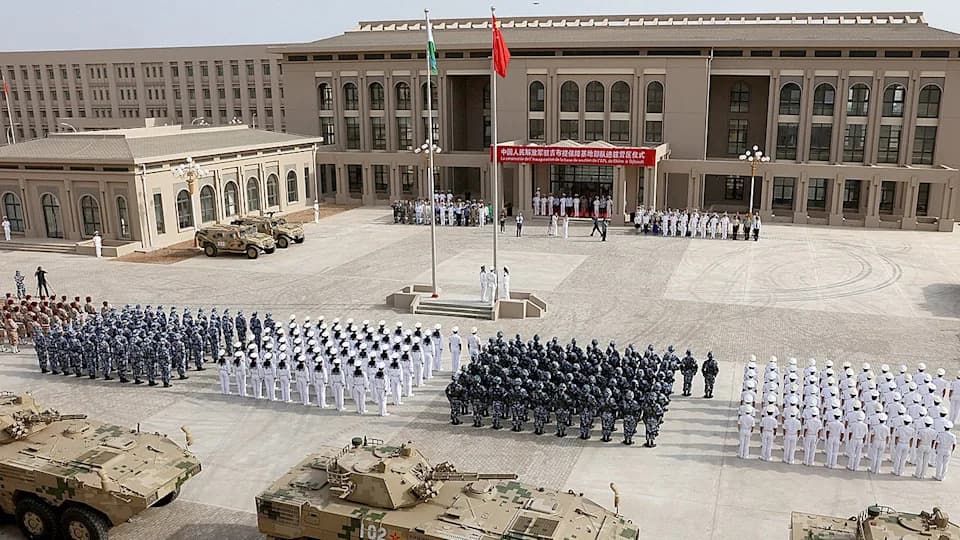
Morgan Murphy said it was significant that China has chosen to place its only overseas base six miles from America's base in Djibouti.
Beijing appears to have expanded its military and signals-intelligence footprint near Djibouti, installing a cluster of antennas, satellite dishes and communications infrastructure less than six miles from Camp Lemonnier — the United States' primary military base in Africa, according to a new report from the Center for Strategic and International Studies (CSIS).
CSIS analyzed recent satellite imagery and open-source data that point to a large southeastern compound and two additional communications sites that have emerged since 2024. The southeastern site reportedly includes a control building, three 30-meter dipole antennas for high-frequency communications, two smaller antennas for very-high and ultra-high frequencies, three mobile satellite dishes, four probable 5G towers and a radome covering an unidentified asset.
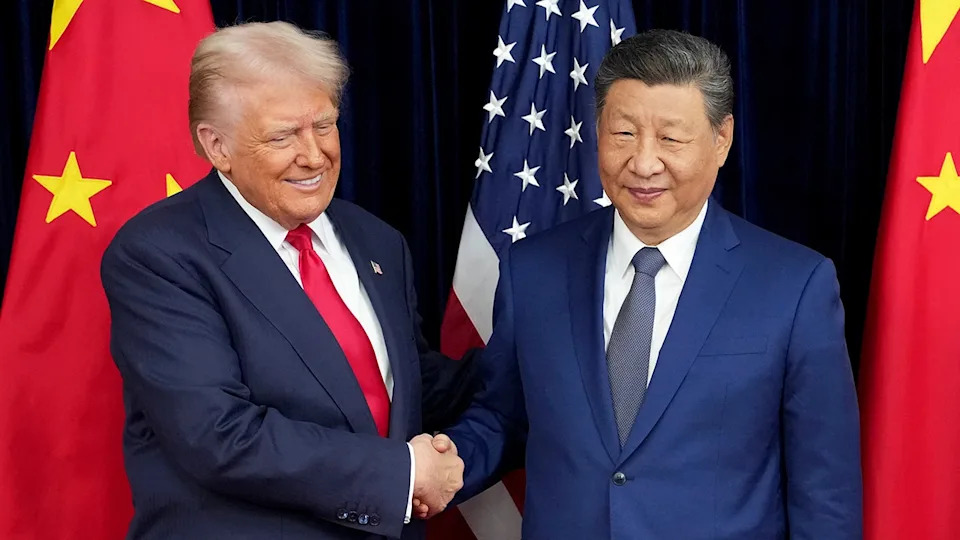
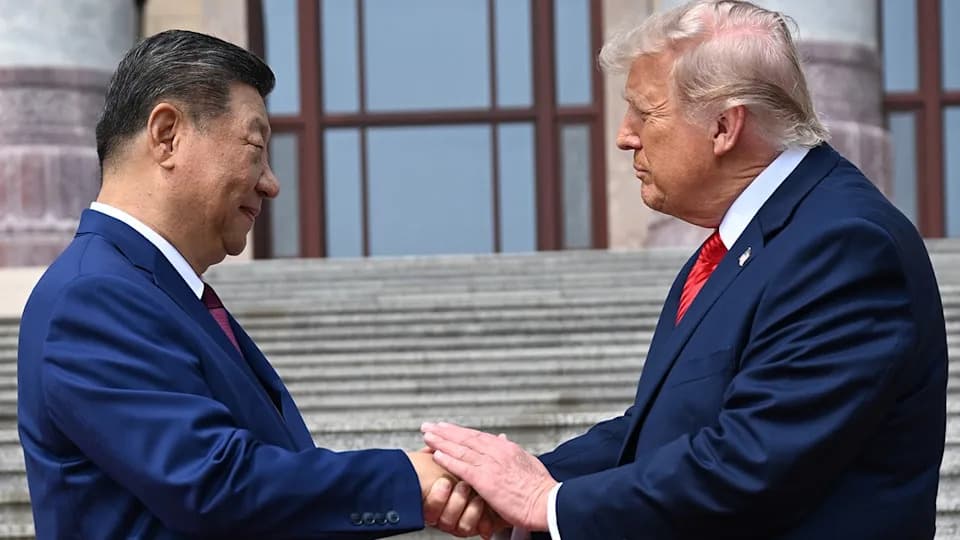
President Donald Trump greets Chinese President Xi Jinping ahead of a bilateral meeting at Gimhae Air Base on Oct. 30, 2025 in Busan, South Korea. Trump said he wants to keep the Strait of Hormuz open in the Middle East for countries, including China.
CSIS cautioned that imagery alone cannot prove whether China is actively intercepting communications. Nonetheless, analysts said the combination of assets is consistent with a C4ISR (command, control, communications, computers, intelligence, surveillance and reconnaissance) architecture that would increase Beijing's ability to monitor ship movements, intercept signals and maintain regional communications.
Strategic Concerns and Regional Context
Former Pentagon official Morgan Murphy told Fox News Digital that the installations amount to a listening post positioned to observe movements through the Bab el-Mandeb Strait and the southern approaches to the Red Sea — a chokepoint that handles roughly one-sixth of global maritime trade and significant crude shipments.
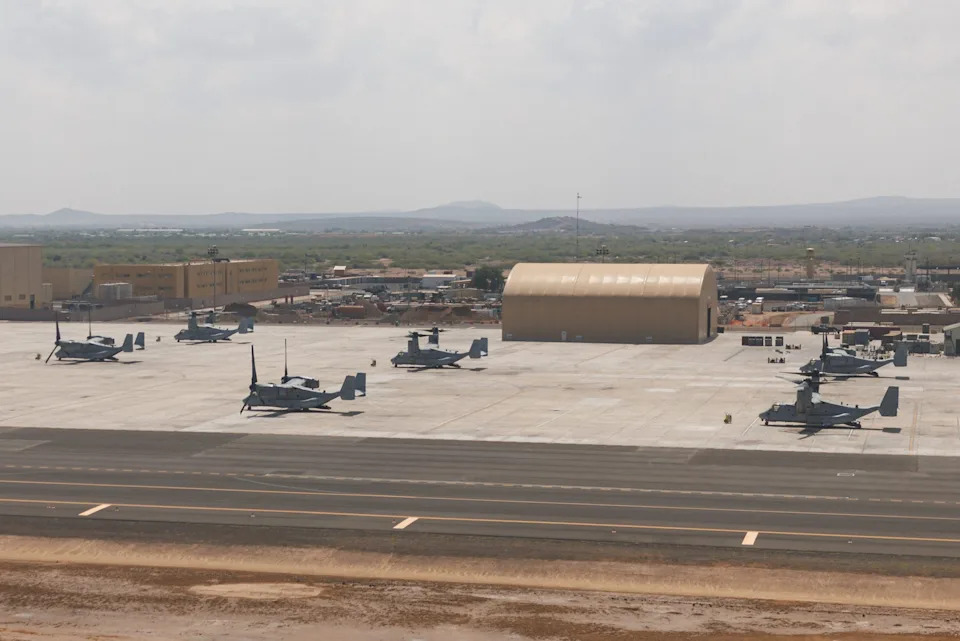
U.S. military aircraft as seen at Camp Lemonnier in Djibouti. Camp Lemonnier is the only permanent United States military base in Africa.
"Beijing has clearly wiretapped the Red Sea... When you build a 30-meter satellite dish and cover it with a dome so nobody can see where it's pointing, it's pretty clear you're up to no good," Murphy said, while acknowledging that satellite imagery cannot demonstrate active interceptions.
Murphy and other analysts stressed the strategic sensitivity of the location: Camp Lemonnier hosts U.S. counterterrorism operations and allied detachments from France, Italy and Japan. The Chinese facilities' proximity to that hub, they said, raises questions about intelligence collection near rival forces and vital shipping lanes.
Responses, Caveats and Historical Incidents
China's Foreign Ministry spokesman said Beijing was "unaware of the specific situation" and described China as a "builder of international peace," according to Reuters. CSIS and outside analysts emphasize that imagery provides strong indications but not definitive proof of signal interception.
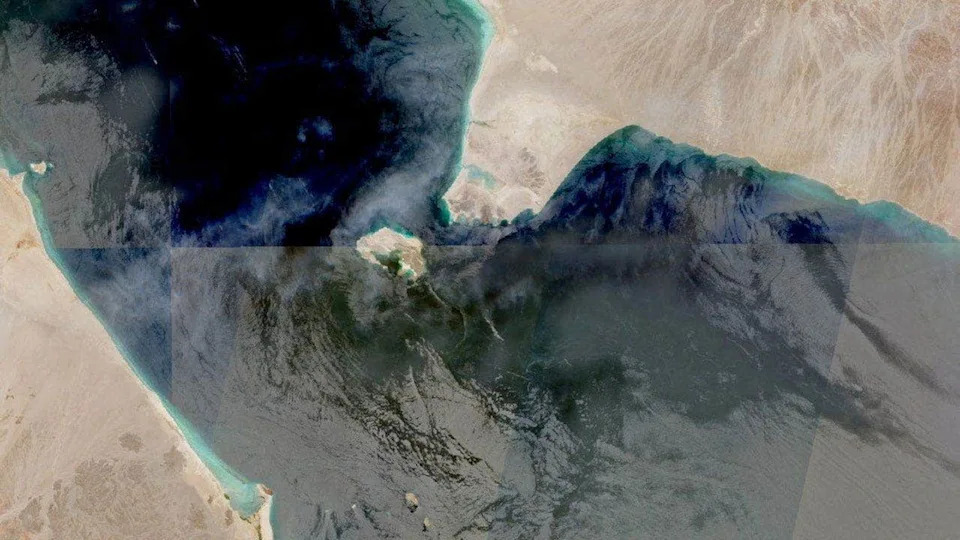
Satellite imagery shows Bab el-Mandeb Strait, a key shipping waterway and the gateway to the Red Sea, as Iran threatens using Yemen's Houthi allies to shut the Bab el-Mandeb gateway to the Red Sea, in this handout picture dated July 12, 2026.
The episode also revived memories of a 2018 incident near Camp Lemonnier in which U.S. air crews reported being targeted by lasers; the Pentagon formally complained and Beijing denied responsibility. The reports further come ahead of Chinese President Xi Jinping's scheduled White House visit on Sept. 24, a development some analysts expect will raise these intelligence concerns in diplomatic discussions.
What It Means For Power Projection
Analysts note that intelligence collection is only one part of power: China is expanding its maritime and intelligence capabilities, but it still lacks the sustained blue-water combat projection the U.S. maintains globally. Observers say the current build-up enhances situational awareness in the Red Sea region and may complicate U.S.-China relations and regional security calculations.
Fox News Digital reached out to the Chinese Embassy for comment. CSIS's imagery-based findings add to an ongoing debate about the role of overseas listening posts, the limits of open-source evidence and the broader strategic competition between major powers.
Help us improve.