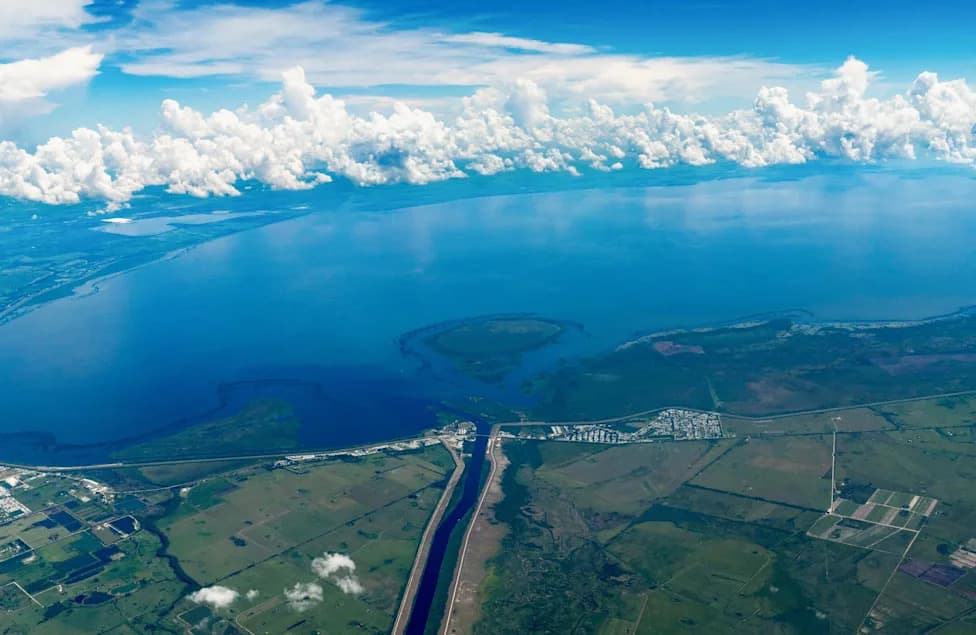
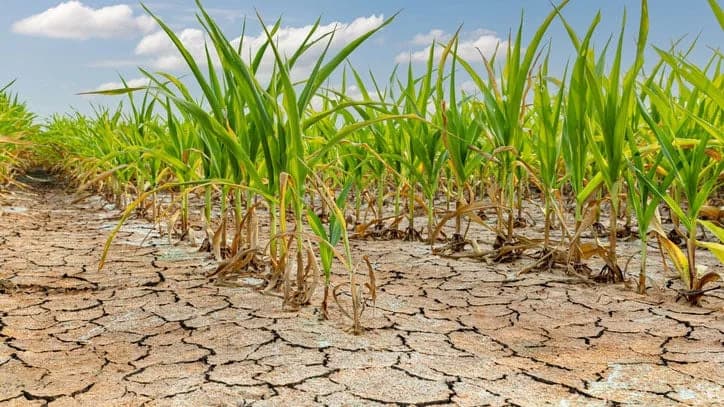
Research finds that U.S. import conditions implemented in 2016 — expanded market access for Mexican avocados tied to USDA production and phytosanitary standards — coincided with improved water quality near avocado orchards. Systematic monitoring and the risk of losing U.S. market access encouraged targeted pest management and reduced pesticide use, which appears to have led to a roughly 10% decline in waterborne nitrogen (about a 6.6% drop in nitrogen fertilizer use). While promising, the outcome depends on strong enforcement and market structure and does not eliminate risks such as deforestation, water stress, or criminal involvement.
Better Guacamole, Cleaner Rivers: How U.S. Import Rules Cut Mexico’s Avocado Pollution
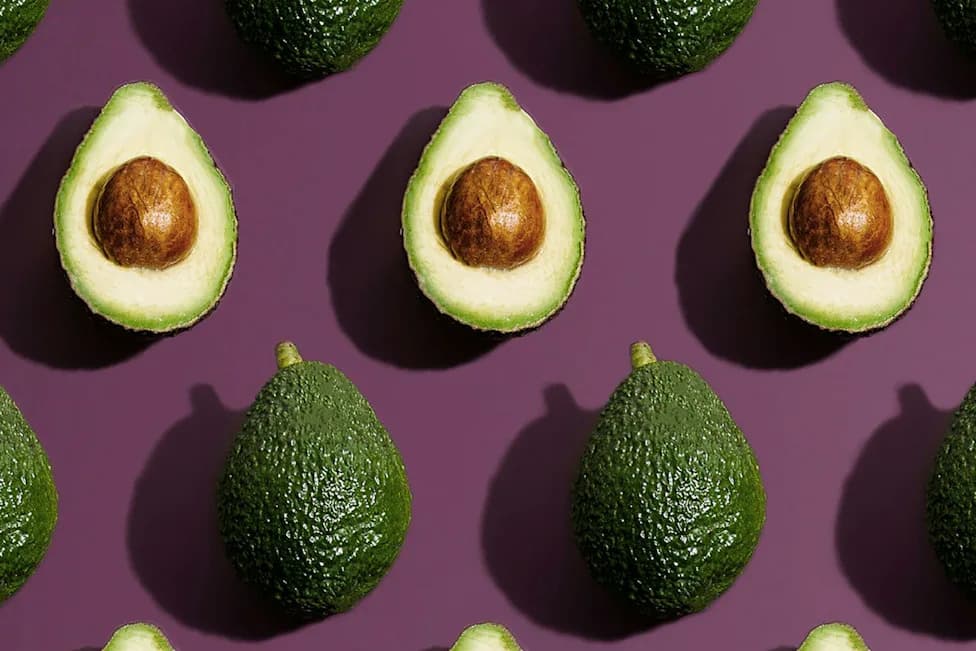
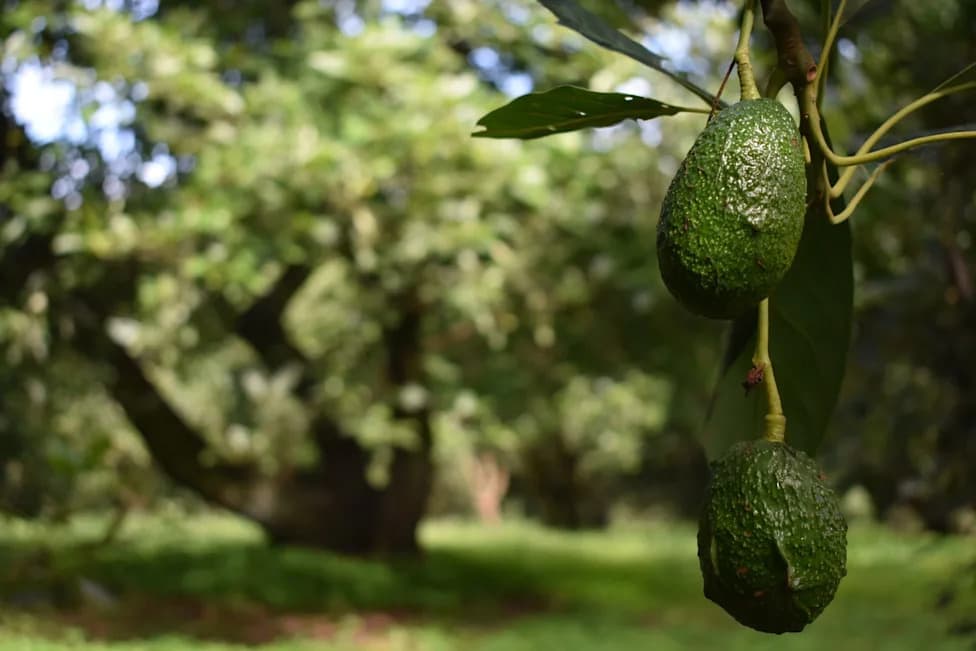
Growing avocados can contribute to water pollution, but there are ways to reduce the harm.Estúdio Bloom/Unsplash,CC BY
At summer barbecues and World Cup watch parties across the United States, bowls of chips and guacamole are everywhere — and most of that guacamole comes from avocados grown in Mexico. Surprisingly, in many producing regions those orchards now contribute less to water pollution than they did a decade ago.
The improvement traces back to a 2016 change in U.S. import policy that opened the American market to avocados from across Mexico — but only from farms meeting U.S. Department of Agriculture (USDA) production and phytosanitary standards. Research by Jayash Paudel and William Townsend suggests those conditions helped reduce pesticide and fertilizer runoff, improving nearby water quality.
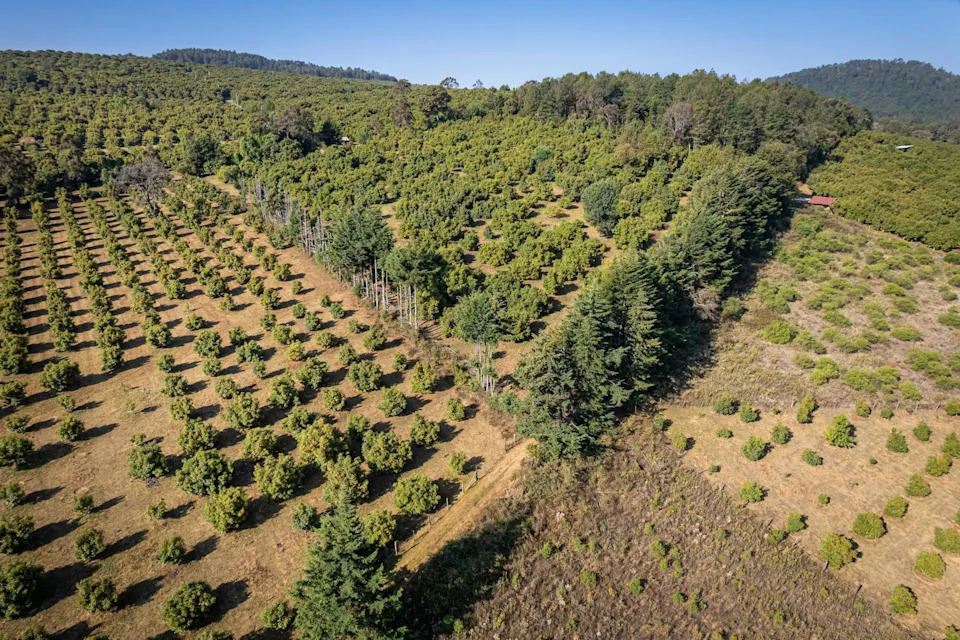
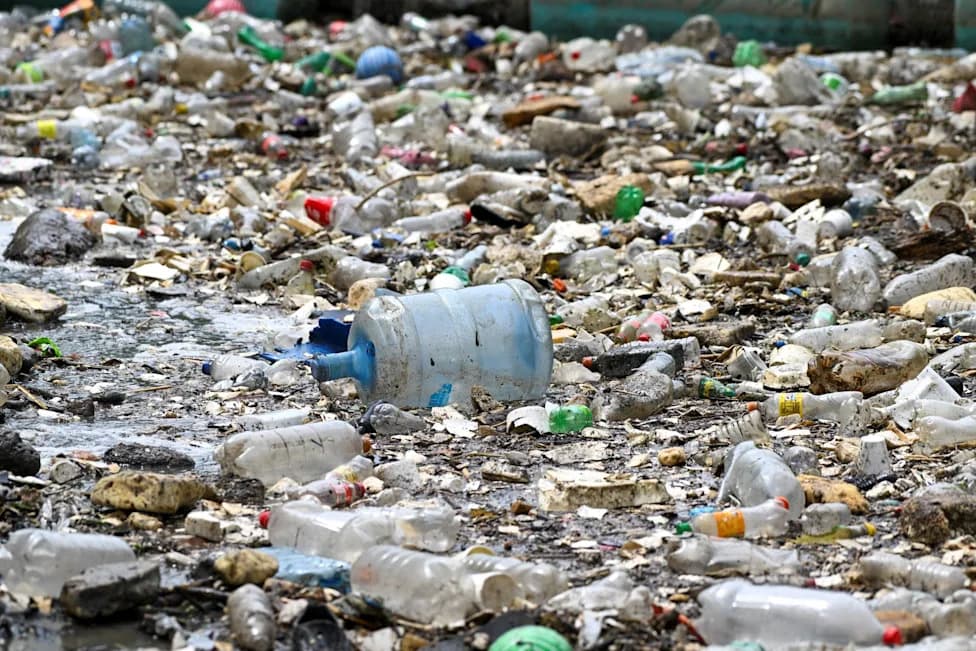
Expanding avocado plantations can increase water pollution and drive deforestation if there is no incentive to clean up production.Brian Overcast/picture alliance via Getty Images
How Import Rules Changed Grower Behavior
Before 2016, only the Mexican state of Michoacán routinely exported avocados to the United States. The 2016 policy extension allowed producers in other Mexican states to export as long as orchards were certified, packing houses underwent multiple inspections, and exporters provided phytosanitary certificates that the fruit was free of target pests like avocado weevils and fruit flies.
To maintain access to the lucrative U.S. market, exporters implemented systematic monitoring across production stages. Growers increased field scouting and trapping and moved away from routine blanket spraying toward targeted, survey-based pest control. Heavy, routine use of pesticides risks leaving residues that exceed U.S. tolerances and could trigger shipment rejections — a clear economic incentive to adopt more restrained practices.
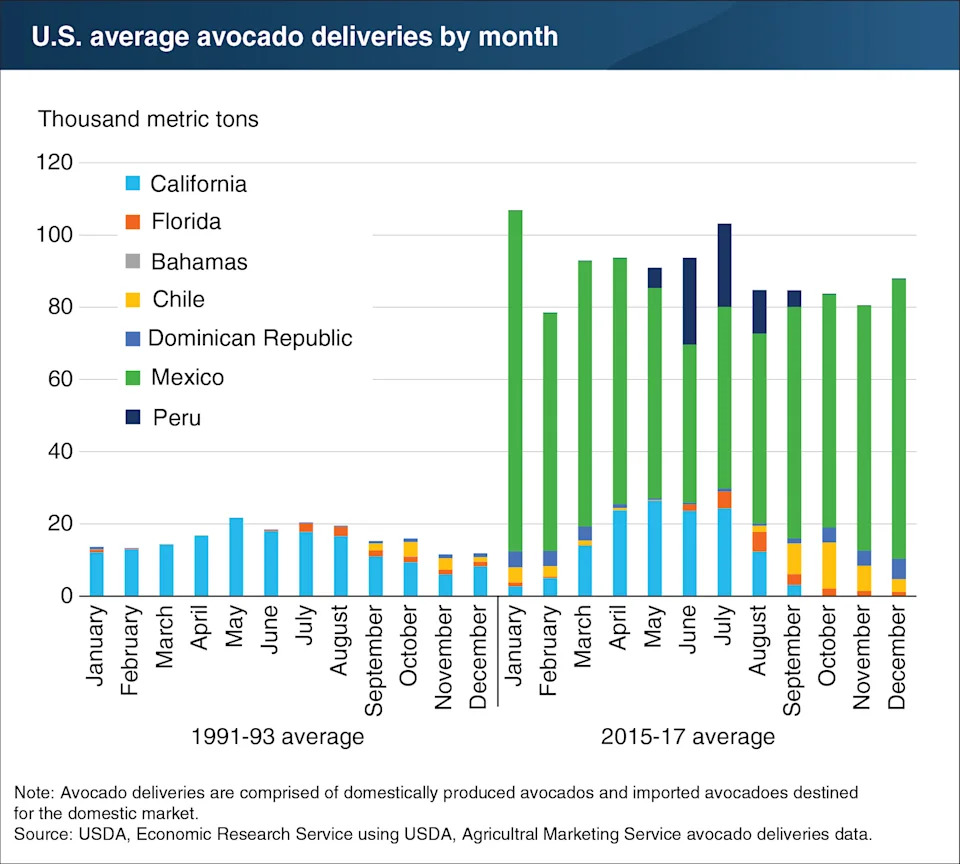
A 2016 trade deal boosted Mexican avocado shipments to the U.S. and the overall avocado market.USDA
From Less Pesticide to Less Fertilizer Runoff
Pesticide and fertilizer use in avocado production are linked: reduced reliance on broad pesticide applications made additional fertilizer applications less attractive and less necessary. The authors used a difference-in-differences approach, comparing water-quality trends in Mexican municipalities that grow avocados with similar municipalities that do not, before and after the 2016 rules.
Key finding: After the 2016 program began, nitrogen concentrations in waterways near avocado-growing areas fell by roughly 10% over a few years relative to comparable non-avocado regions — roughly equivalent to a 6.6% reduction in nitrogen fertilizer use.
That magnitude matters where agricultural runoff is a dominant source of pollution: reductions in nitrogen lower the risk of algal blooms, hypoxia (low-oxygen zones), fish kills, and drinking-water contamination. With fertilizer prices high, reduced fertilizer use also delivers direct cost savings to growers.
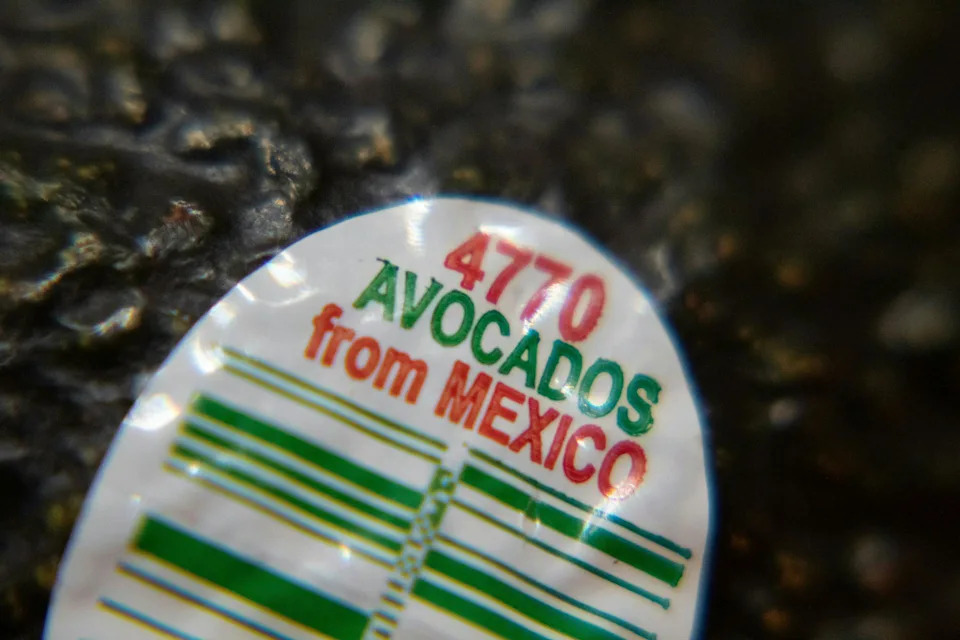
An avocado shipment from Mexico, marked with a barcode for tracking.Brian Wangenheim/Unsplash,CC BY
Caveats and Limits
The U.S.–Mexico avocado market is unusual. About 90% of Mexico’s roughly 1.2 million metric tons of avocados produced in 2025 went to the U.S., creating a single, dominant buyer with strong leverage. The system also relied on an enforceable phytosanitary certification and credible inspections. The same approach may not produce comparable results for other crops or in countries without similar market structure or monitoring capacity.
There are additional, serious concerns about avocado expansion: it has been associated with deforestation, increased water demand in already stressed basins, and in some regions links to organized crime and cartel activity. Those risks mean trade rules and certification should be paired with safeguards on land-use, water rights, and governance to ensure broader sustainability.
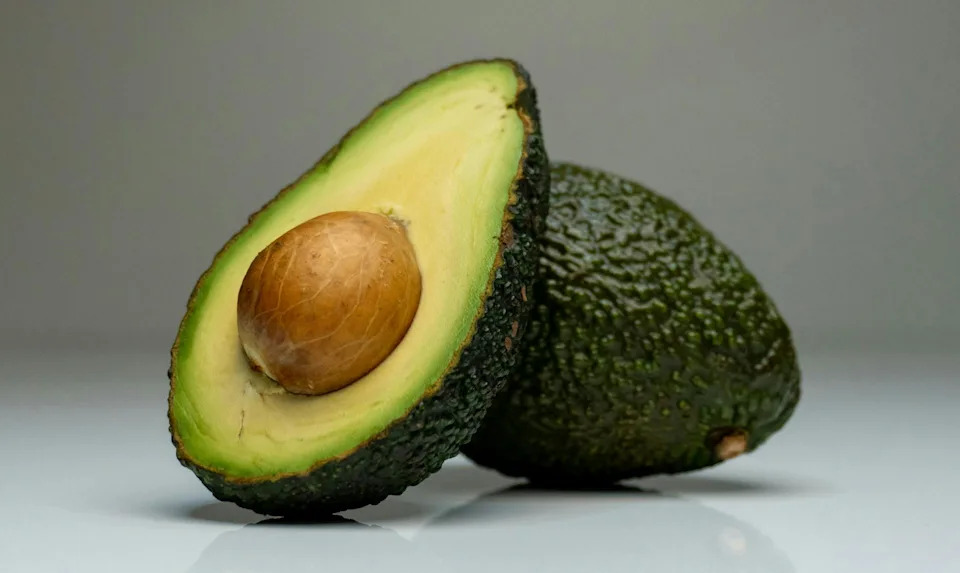
Avocados can be a lucrative crop, but they also come with drawbacks, including the risk of expanded plantations driving deforestation and the involvement of drug cartels.John Vid/Unsplash,CC BY
Policy Implications
The 2016 example shows that trade policy — when coupled with enforceable standards and credible inspections — can nudge producers toward practices that reduce environmental harm while preserving market access. As the U.S., Canada and Mexico update regional trade arrangements, agricultural provisions tied to monitoring and certification may offer a practical lever for cross-border environmental gains.
So the next time you scoop guacamole, consider that import rules and certification systems can shape farming practices and water quality far beyond U.S. shores.
Republished from The Conversation. Article by Jayash Paudel, University of Oklahoma; research with William Townsend, California Polytechnic State University.
Help us improve.