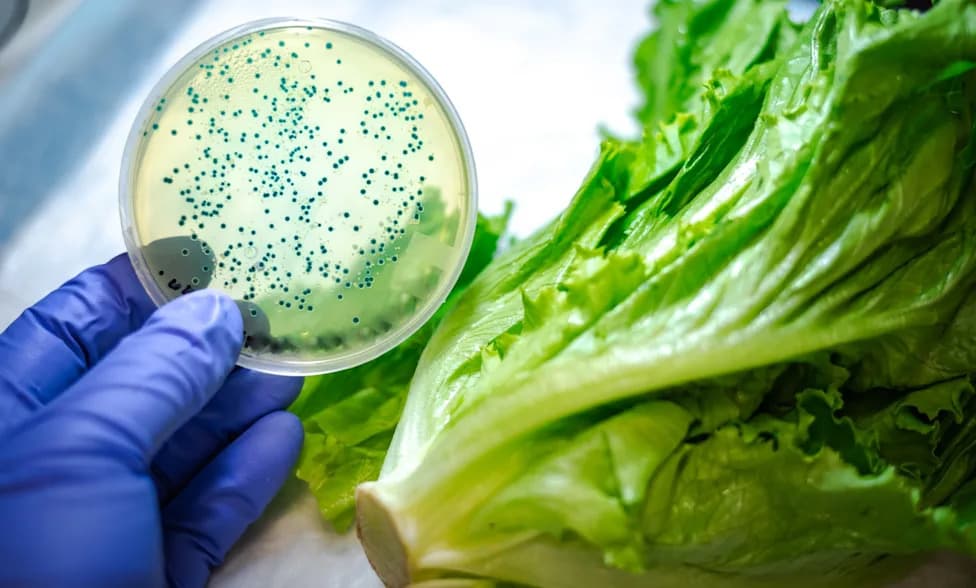
Key Takeaway: A Cyclospora outbreak tied to iceberg lettuce has cast a spotlight on a sustained decline in FDA foreign food inspections since 2019. Inspections are down about 35% from the pre-pandemic high; foreign food inspections fell to 1,140 in FY2025. Delays reaching the implicated Mexican farm, staffing gaps and logistical cuts have hampered the response and intensified calls for better staffing, faster field deployment and modern oversight tools such as remote monitoring and improved traceability.
Cyclospora Outbreak Exposes Decline In FDA Foreign Inspections and Strains Oversight
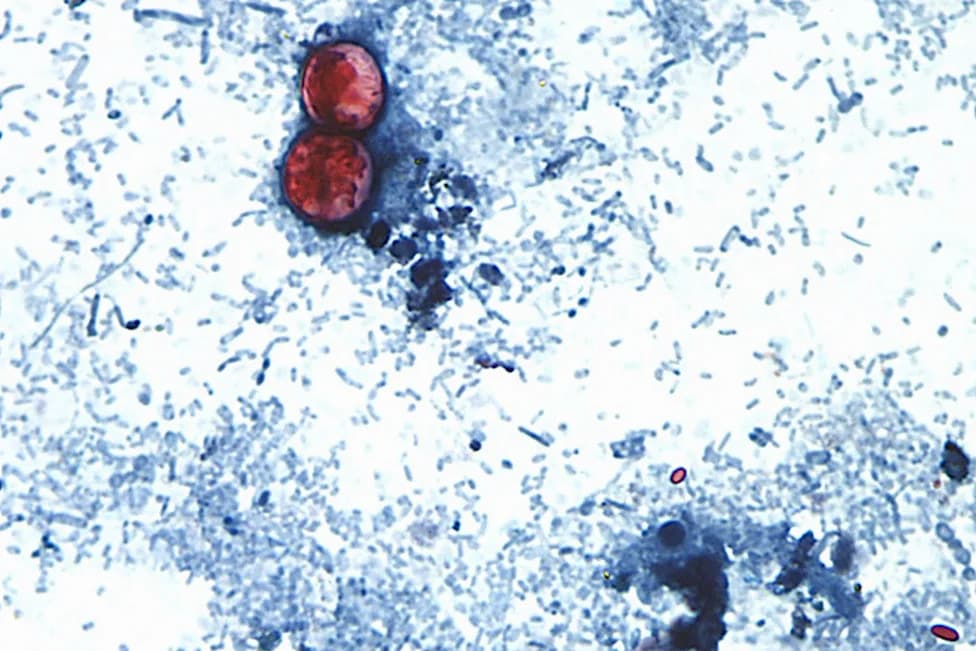
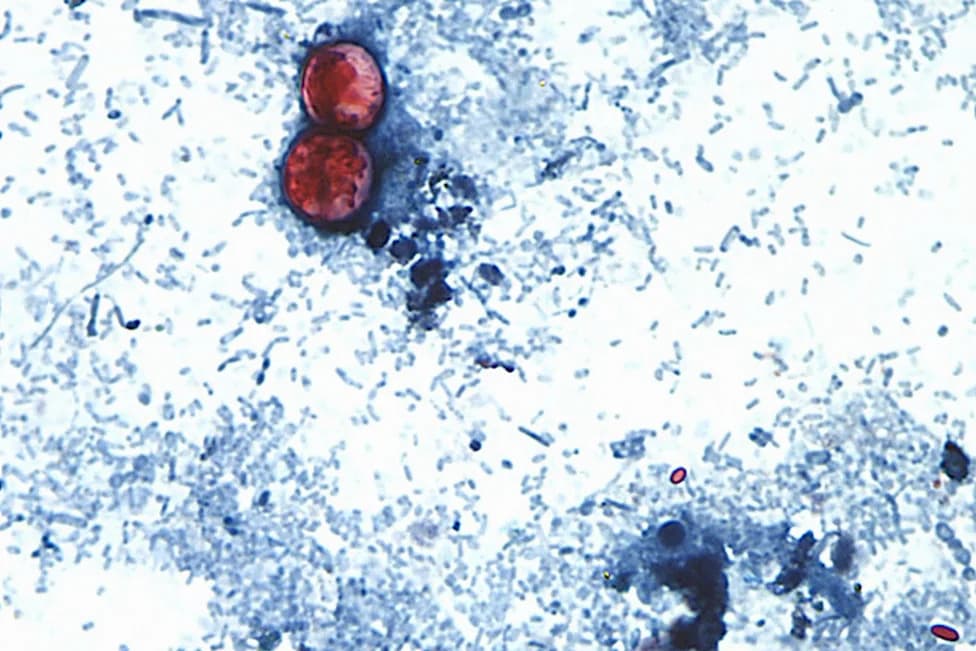
FILE - This undated photo taken through a microscope and provided by the CDC shows Cyclospora cayetanensis oocysts found in a fresh stool sample which had been prepared with a formalin solution and stained with safranin. (CDC via AP, File)
A nationwide Cyclospora outbreak linked to contaminated iceberg lettuce has intensified scrutiny of imported produce and highlighted a longer-term decline in U.S. regulatory oversight. Records show Food and Drug Administration (FDA) inspections of foreign food facilities — including the Mexican farm tied to the outbreak — are down nearly 35% from 2019, the year before the COVID-19 pandemic.
The pandemic triggered a wave of retirements and departures among FDA inspectors, and staffing shortfalls persist. Even before COVID-19, the agency routinely missed congressionally mandated inspection targets. Former senior FDA officials say recent staffing reorganizations and cuts under the Trump administration could further reduce inspection capacity in coming years.
"When you look at the numbers of inspections balanced against the responsibility of the FDA ... the agency just can't achieve what is required," said Michael Rogers, who spent nearly 35 years in inspection roles at the agency. He added that the FDA still performs many functions "very well with limited resources."
The administration proposed pilot programs to stretch resources, including one-day inspections. Former inspectors caution that abbreviated visits cannot substitute for traditional inspections, which often take a week or more and are needed to document complex problems.
FDA leaders emphasize inspections are only one tool among many — border checks, importer oversight, sampling and other measures supplement on-site visits. But the iceberg lettuce outbreak has exposed limits to those alternative approaches.
In July, regulators retracted a faulty test result that initially indicated Cyclospora on a border sample of Taylor Farms' lettuce. Despite that correction, FDA officials continue to point to the company’s farm in Guanajuato, Mexico, as the likely source of the parasite that causes prolonged diarrheal illness. Mexican food authorities say they have not found positive samples or clear warning signs at the site.
A Department of Health and Human Services spokesperson said the FDA investigation is ongoing. Agency officials are also reviewing how many foreign inspections are needed annually "to ensure oversight comparable" to the U.S. food supply.
FDA inspectors reached the Taylor Farms facility in mid-August, roughly a month after the recall announced on July 17. That was the first FDA visit to the site since 2019 — the same year the agency recorded its peak number of foreign food inspections before pulling most field staff during the pandemic.
Inspections of food — and other regulated products such as drugs and medical devices — have not yet rebounded to pre-pandemic levels. Foreign food inspections fell further last year, dropping 17% to 1,140 in fiscal year 2025 from the prior year.
Although inspectors themselves were not among the 3,500 positions targeted for elimination by the administration, the FDA did cut more than half of the staff who handled travel bookings. The result: field inspectors must now arrange most flights, lodging and logistical details themselves, adding administrative burden and slowing field responses.
Food safety experts said the delay in getting investigators on site in Mexico was too long given the scale of the outbreak. "It took us too long to get boots on the ground," said Frank Yiannas, the former top food safety official at the FDA. "When these outbreaks happen in fresh produce, you have to respond quickly because these are very complex and changing ecosystems."
The Taylor Farms recall involved thousands of packaged salad products combining iceberg lettuce with other vegetables shipped to major U.S. restaurant chains, including Yum Brands, owner of Taco Bell, Pizza Hut and KFC. FDA data show companies have announced more than 480 food recalls in the current fiscal year, a figure that already exceeds totals from most recent years.
Congress sought to strengthen food safety after deadly outbreaks of spinach and cantaloupe by passing the Food Safety Modernization Act (FSMA) in 2011. FSMA set ambitious goals — including a statutory target of inspecting more than 19,000 international food sites annually — but the FDA's highest annual total to date was 1,700 foreign food inspections in 2019, less than one-tenth of the statutory target, according to the Government Accountability Office (GAO).
Former regulators and GAO reports note the 19,000 target was never realistically funded and that FDA has not identified an appropriate, achievable annual target for foreign inspections. The agency's food inspection workforce numbers just over 420 staffers, with 10%–15% of positions chronically vacant. International inspectors can spend more than half their time traveling, a grueling schedule that contributes to turnover and a less experienced workforce.
"Until you can better incentivize people to stay in those positions, I think the agency is going to continue to see high attrition," Rogers said. "That ultimately may impact FDA's ability to enhance and increase inspections."
Experts say modern tools could reduce reliance on in-person inspections. Proposed solutions include remote monitoring, machine-learning risk models, stronger importer verification and improved traceability. FSMA also called for machine-readable batch codes on produce to speed outbreak tracing; that rule has been delayed after industry pushback.
As regulators continue the Taylor Farms investigation and reassess foreign oversight strategies, policymakers face a choice: invest to rebuild traditional inspection capacity, accelerate modern digital tools and traceability, or pursue a hybrid approach that combines both. The Cyclospora outbreak underscores the public-health stakes of that decision.
Help us improve.