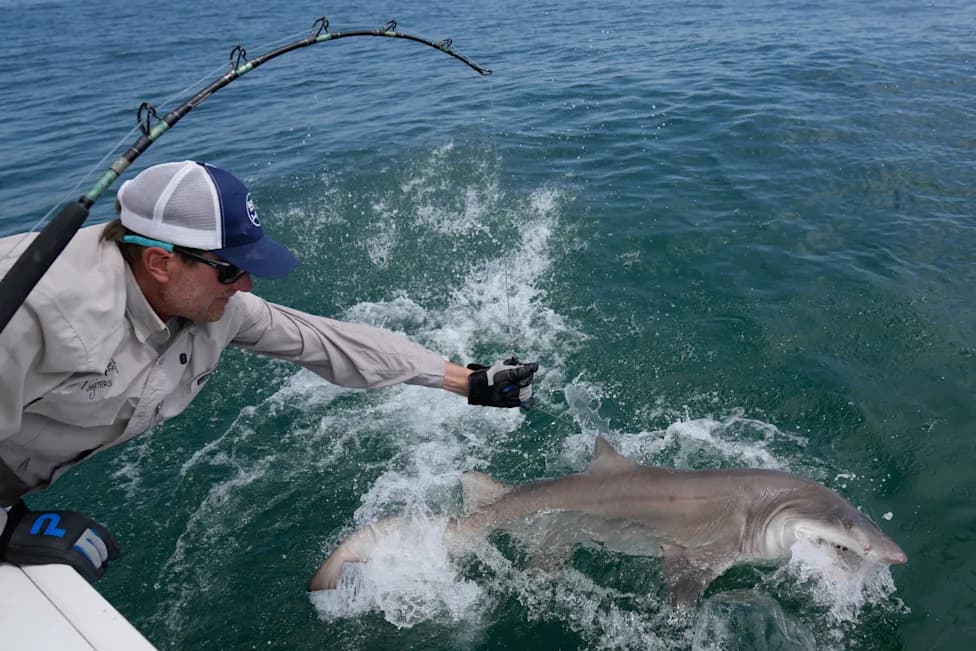
New York has increased precautionary beach closures this summer largely because improved surveillance is detecting sharks earlier, not solely due to more sharks. A nine-foot shark sighting at Point Lookout on July 2, 2026, and a non-life-threatening bite at Jones Beach over the Fourth of July contributed to heightened closures—23 in July overall, 16 in the first five days. Warmer water and returning prey mean multiple shark species are lingering closer to shore; officials have ramped up air, sea and drone patrols and urge standard safety precautions.
Why New York Is Closing Beaches More Often This Summer: Better Detection, Not Panic
NY Great White Sharks© vladoskan and rzdeb from Getty Images Signature/ via Canva.com
New York has seen a noticeable rise in precautionary beach closures this summer after an increase in reported shark sightings and one non-life-threatening bite. Authorities say the spike in closures reflects improved monitoring and earlier detection—not necessarily a sudden surge in shark population—though warmer water and returning prey species have encouraged sharks to linger closer to shore.
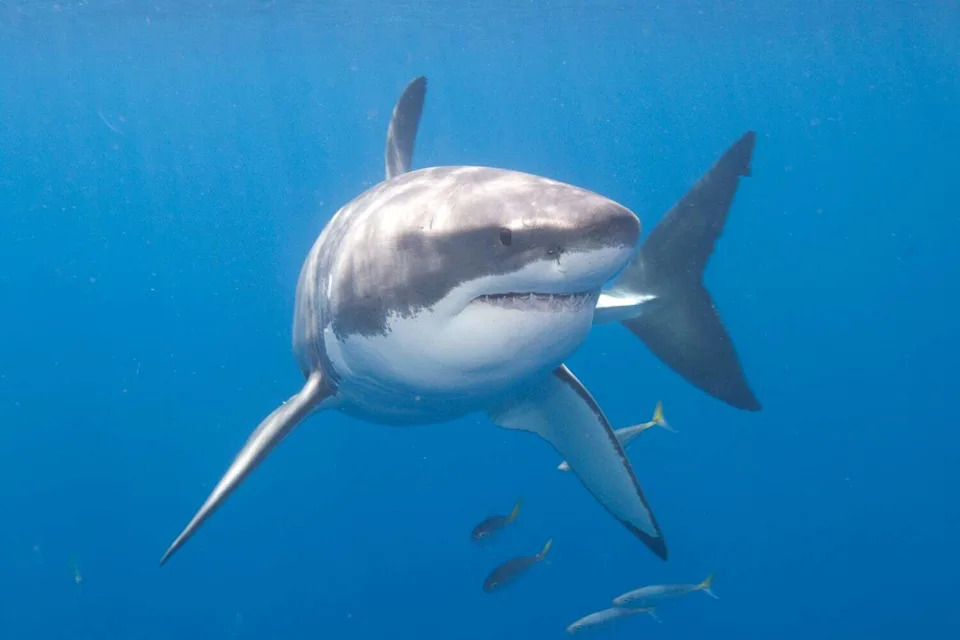
Multiple New York beaches experienced closures due to shark sightings in July.©Jim Agronick/Shutterstock.com
Recent Incidents and Local Impact
On July 2, 2026, a nine-foot shark was spotted at Point Lookout, prompting a temporary beach closure. Over the Fourth of July weekend a swimmer at Jones Beach sustained lacerations in a bite believed to be from a sand tiger shark; injuries were reported as non-life-threatening. Across the region, officials recorded 23 beach closures in July, 16 of which occurred within the first five days.
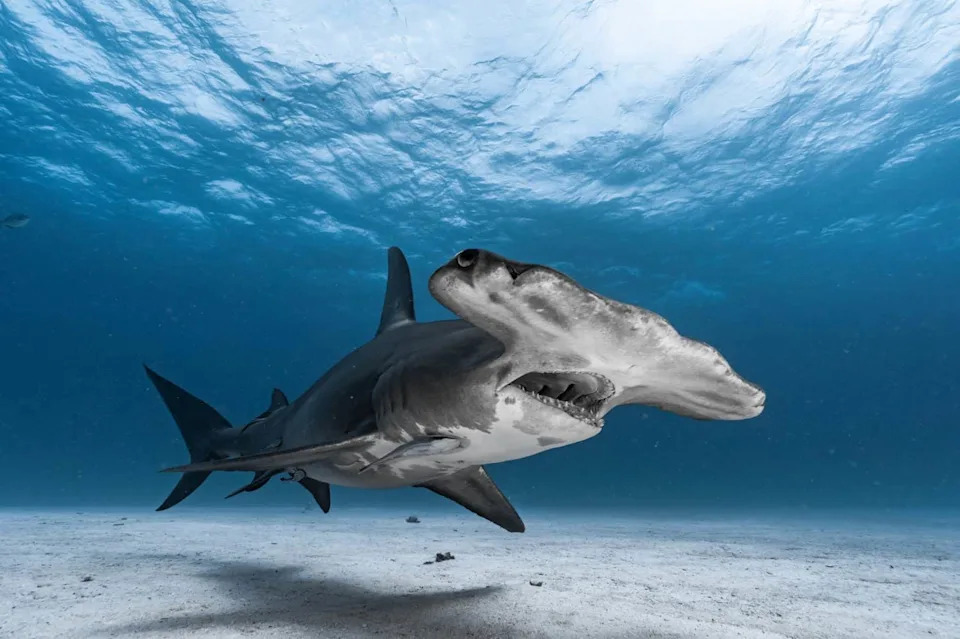
Multiple species, including the hammerhead, are migrating from Maine to Florida.©Jsegalexplore/Shutterstock.com
Migration, Species and Why Sharks Are Closer to Shore
Summer migration along the U.S. Atlantic coast runs roughly from June through September. During this interval, as many as 13 shark species move between Maine and Florida following prey. The species observed in the area this season include:
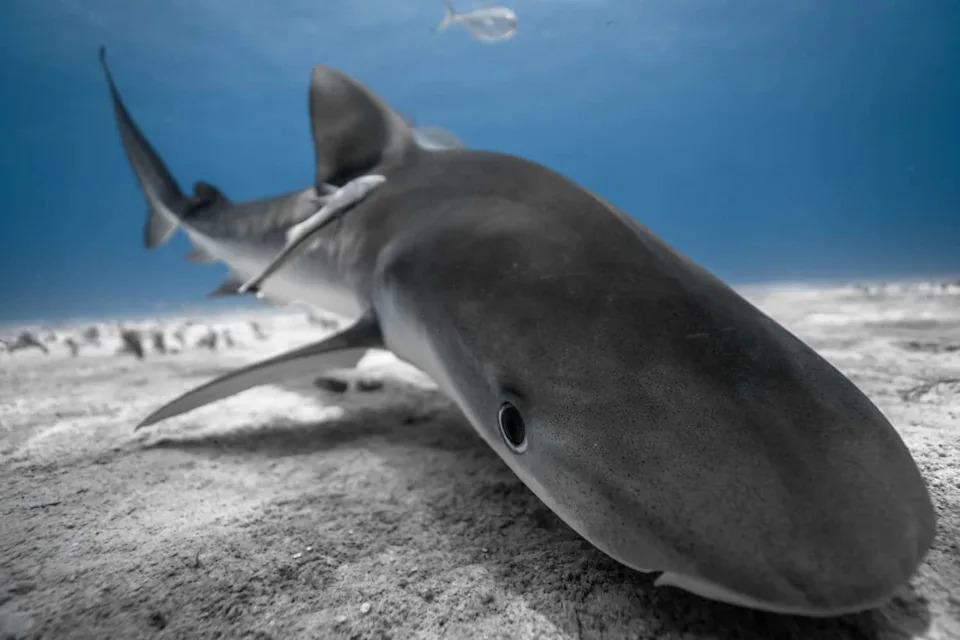
Sharks are coming closer to the shoreline thanks to more prey and warmer water.©Sail Far Dive Deep/Shutterstock.com
- Great White Shark
- Shortfin Mako
- Hammerhead (various species)
- Lemon Shark
- Galapagos Shark
- Blacktip Shark
- Dusky Shark
- Finetooth Shark
- Blue Shark
- Caribbean Reef Shark
- Caribbean Sharpnose Shark
- Bull Shark
- Common Thresher Shark
Experts say warmer ocean temperatures and recovering prey populations—such as Atlantic menhaden—have made coastal waters more attractive to sharks. Climate-related warming also appears to be extending how long sharks remain near New York's Atlantic coast; studies and local observations estimate they are staying an average of about 29 days longer than in previous decades.

The ocean is constantly being patrolled by sea and sky for sharks.©cbpix/Shutterstock.com
Improved Monitoring and Safety Measures
Authorities emphasize that enhanced surveillance, not panic, explains many of the recent closures. To detect sharks early and protect swimmers, officials are using a mix of methods:
- Air patrols
- Sea patrols
- Beach patrols and lifeguard monitoring
- Drone surveillance, with nearly 70 certified operators during peak season
Patrols also look for large schools of baitfish that can attract predators. When sharks are spotted, beaches are often closed as a precaution until the area is deemed safe.
What Beachgoers Should Do
The actual risk of a shark bite remains low. To reduce risk further, officials recommend these precautions:
- Heed lifeguard instructions and posted signs
- Swim near shore and in groups
- Avoid murky water and areas with fishing activity or large schools of baitfish
- Do not swim at dawn or dusk, when sharks are most active
These measures, along with continued monitoring and better water quality, aim to protect both beachgoers and a recovering marine ecosystem.
Help us improve.