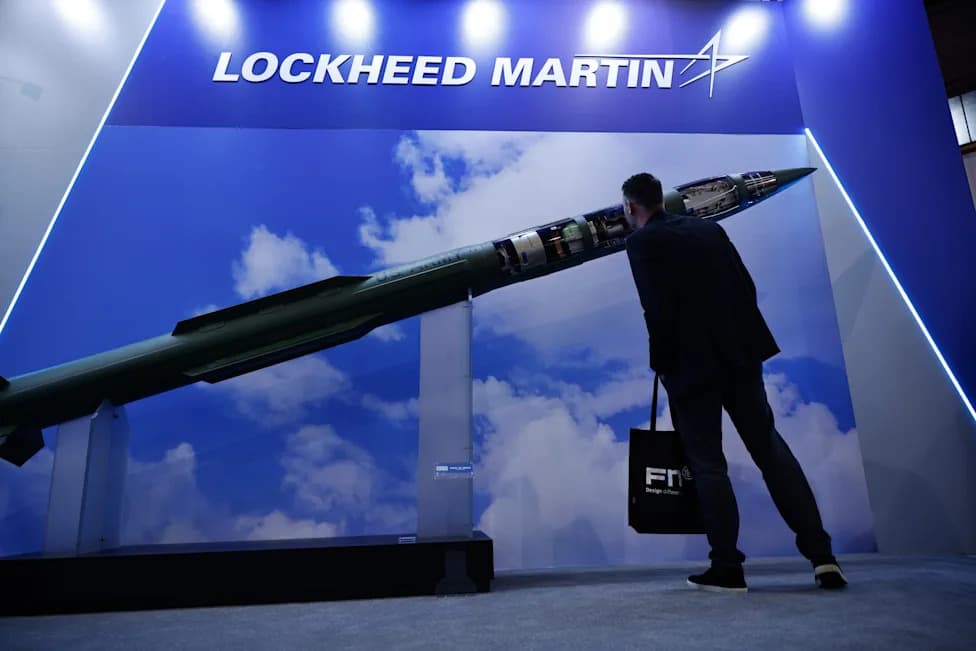
Lockheed Martin's PAC-3 ACE is a lower-cost Patriot interceptor introduced in 2026 to help meet surging demand for air-defense interceptors. Targeted for a first flight in early 2028, it shares the PAC-3 MSE outer mold line and fits existing canisters and 12-round M903 launcher packs. The design accepts some range and sophistication trade-offs to reduce unit cost—advertised at roughly $2 million—while drawing interest from the U.S. Army and international buyers.
Lockheed Martin Unveils PAC-3 ACE: A Lower-Cost Patriot Interceptor Aimed at Mass Production
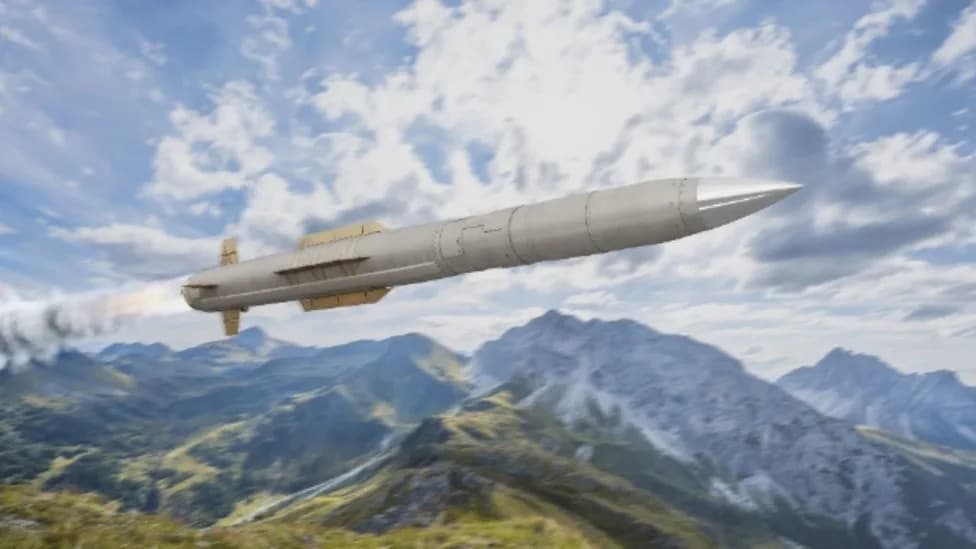
An artist's depiction of the PAC-3 Adapted Capability Effector, or ACE. Photo: Courtesy of Lockheed Martin
LONDON — Lockheed Martin this month unveiled the PAC-3 Adapted Capability Effector (PAC-3 ACE), a lower-cost addition to the Patriot family designed to expand interceptor inventories as air-domain threats proliferate.
Why it matters: 2026 has underscored the urgent need for more affordable air-defense interceptors. Drones, missiles and decoys are saturating skies from St. Petersburg to Muwaffaq Salti Air Base in Jordan, driving demand for solutions that can be produced and deployed at scale.
Driving the news: Axios interviewed Jason Reynolds, an air-and-missile-defense executive at Lockheed, at the Farnborough International Airshow. Reynolds said the program prioritizes speed and cost, accepting some capability trade-offs to enable broader procurement.
“Everything is basically predicated around speed and cost, with drawing down slightly on the capability. People trust our products to work, and they know they can get lots of them from us,” Reynolds said. “I think there is going to be a high demand for air-defense interceptors for a significant period of time.”
Here are the key technical and programmatic points disclosed or reported since the announcement:
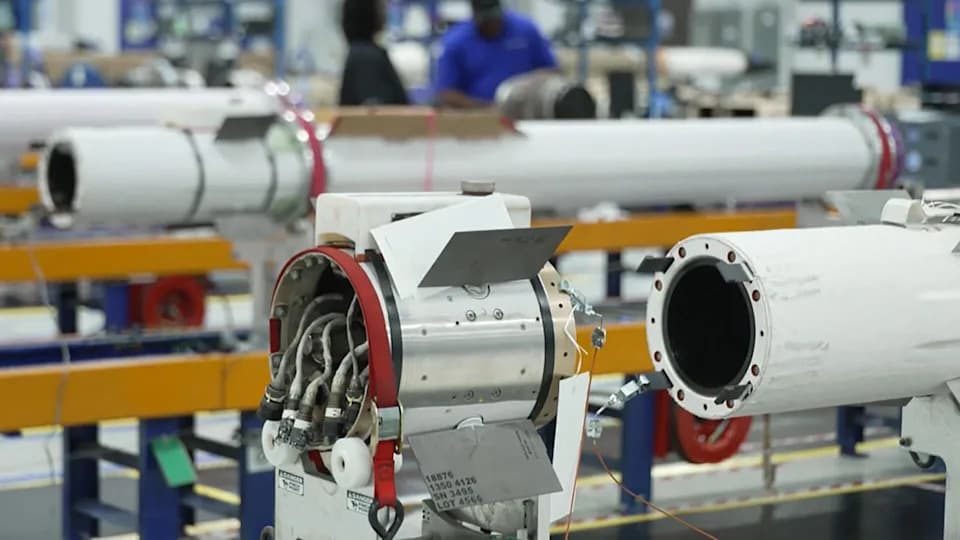
• First flight timeline: Lockheed is targeting an initial flight in early 2028, followed by ramped production using separate lines to boost output quickly. The company is also exploring international manufacturing partnerships.
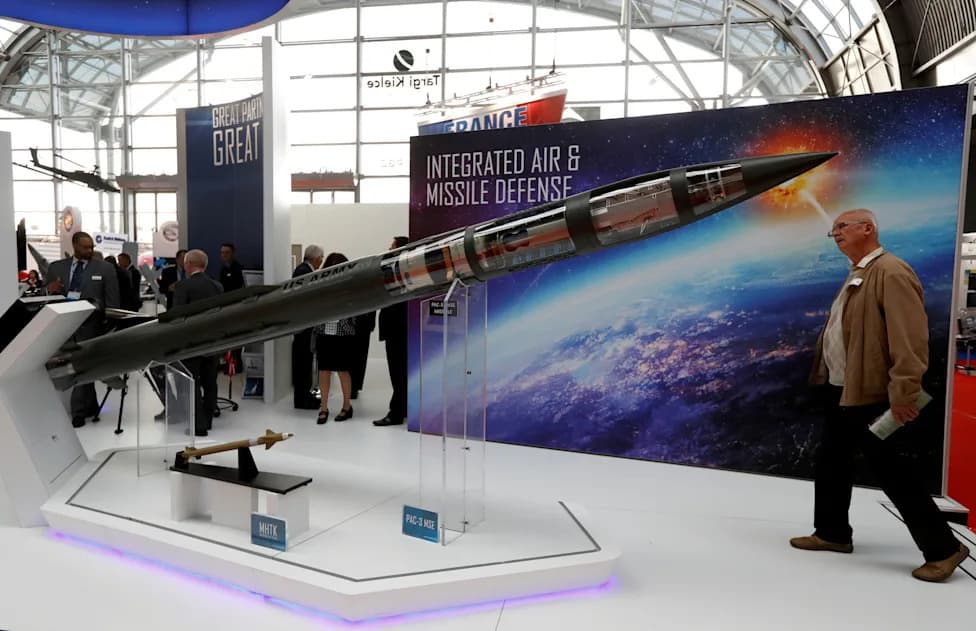
• Compatibility: PAC-3 ACE shares the same outer mold line as the higher-end PAC-3 Missile Segment Enhancement (MSE), allowing it to fit in existing Patriot canisters and to be deployed in 12-round packs on the M903 launcher.
• Seeker and sensors: The missile will use a new seeker; the supplier had not been finalized as of the most recent reports. (Boeing currently produces PAC-3 seekers in Huntsville, Alabama.)
• Mission profile and trade-offs: PAC-3 ACE is designed to engage ballistic missiles, cruise missiles and aircraft. To reduce unit cost, designers accepted trade-offs in range and some sophistication compared with PAC-3 MSE.
• Price: Lockheed advertises PAC-3 ACE at under half the cost of PAC-3 MSE, with public estimates placing the unit price at roughly $2 million.
• Program pace and interest: The concept was developed rapidly—in weeks rather than months—and has already attracted attention from the U.S. Army and potential foreign buyers.
Tom Karako of the Center for Strategic and International Studies observed: “The regular PAC-3 MSE missile has been optimized for capability and reliability and a long shelf life — and the demand signal for it is massive. The challenge, of course, is there are a lot of folks out there that'll just say, 'Well, I've got a cheap drone effector. Why don't you use me instead of a PAC-3?' And that's, really, a non sequitur.”
Broader context: The Pentagon recently announced agreements with L3Harris Technologies to significantly increase production of propulsion systems for Patriot and THAAD missiles, part of wider efforts to accelerate interceptor output amid growing demand.
As aerial threats diversify and grow, PAC-3 ACE represents a deliberate attempt to balance affordability, scale and capability—supplementing, not replacing, higher-end interceptors where extended range or advanced performance are required.
Help us improve.