Germany will finalise a Cabinet reshuffle on Wednesday after conservative leader Jens Spahn resigned over a surrogacy controversy. Thorsten Frei is set to replace Spahn, triggering further changes including Nina Warken moving to head the Federal Chancellery and Carsten Linnemann becoming Health Minister. President Frank-Walter Steinmeier will formally appoint the new ministers; their oath before the Bundestag is expected after the summer recess, likely on September 9.
Germany to Finalise Cabinet Reshuffle After Jens Spahn Resigns Over Surrogacy Row

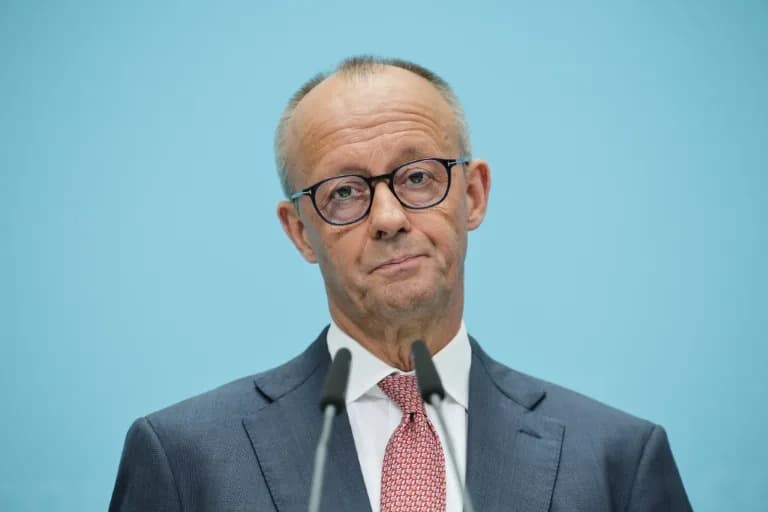
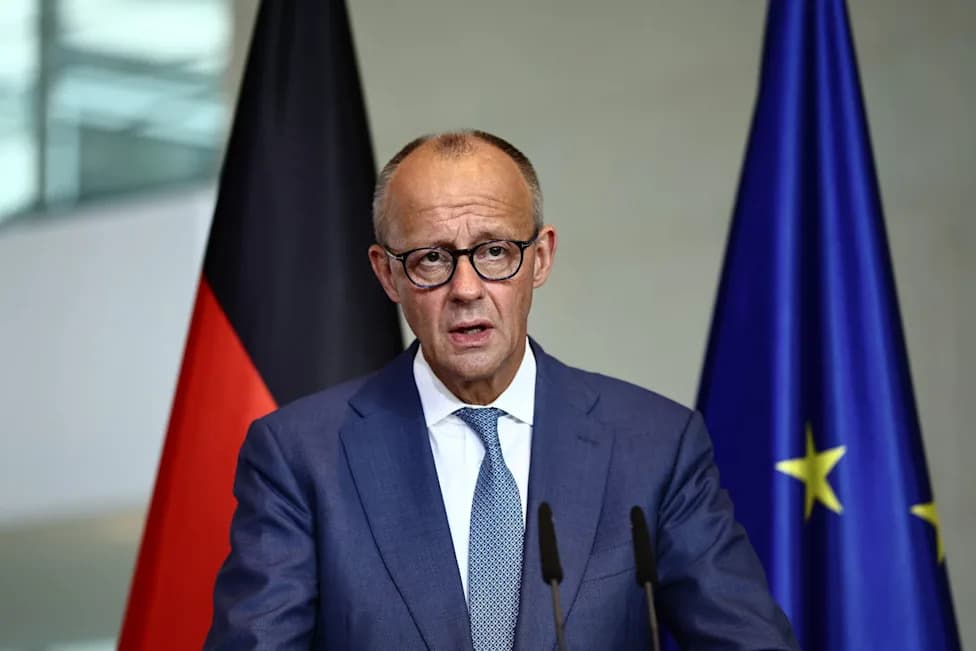
FILE PHOTO - Thorsten Frei, the designated chairman of the CDU/CSU parliamentary group in the Bundestag and former head of the Federal Chancellery and Federal Minister for Special Tasks, arrives at the CDU federal headquarters (Konrad-Adenauer-Haus). (is associated with: «Germany to complete Cabinet reshuffle after surrogacy row») Christoph Soeder/dpa
Germany's government will finalise a Cabinet reshuffle on Wednesday after the resignation of conservative parliamentary group leader Jens Spahn, who stepped down following controversy over using a U.S. surrogacy arrangement to become a parent.
Members of Chancellor Friedrich Merz's conservative bloc will meet in a special session to elect Thorsten Frei, currently head of the Federal Chancellery, as Spahn's successor. Frei's elevation has prompted a cascade of personnel changes across the Cabinet, which Merz is using to reorganise key ministerial posts.
Who Will Move Where
Nina Warken, the current Health Minister, is expected to succeed Frei as head of the Federal Chancellery. Carsten Linnemann, general secretary of the Christian Democrats (CDU), is slated to replace Warken as Health Minister. Meanwhile, Transport Minister Patrick Schnieder will leave the Cabinet and is to be succeeded by senior CDU lawmaker Steffen Bilger.
Formal Appointment and Oath
After the conservative group votes, President Frank-Walter Steinmeier will formally appoint the incoming ministers. Under the German constitution, new ministers must take an oath of office before the Bundestag (the lower house). Because the Bundestag is currently on summer recess, the swearing-in is expected when lawmakers return—currently scheduled for the first sitting week after the break, likely on September 9.
Why This Happened
The reshuffle was triggered by Spahn's mid-July resignation after he disclosed that he and his husband, Daniel Funke, had become parents through surrogacy in the United States. Surrogacy remains illegal in Germany, and both the CDU and Spahn himself have historically opposed legalising it. The disclosure prompted criticism from within the conservative alliance and the wider public, leading Spahn to step down.
Context: The episode has reignited debate in Germany about surrogacy, parental rights and political accountability, while producing an immediate ripple effect in the leadership of the ruling conservative bloc.
All reported moves are subject to confirmation at the special session and by the presidential appointment process.
Help us improve.