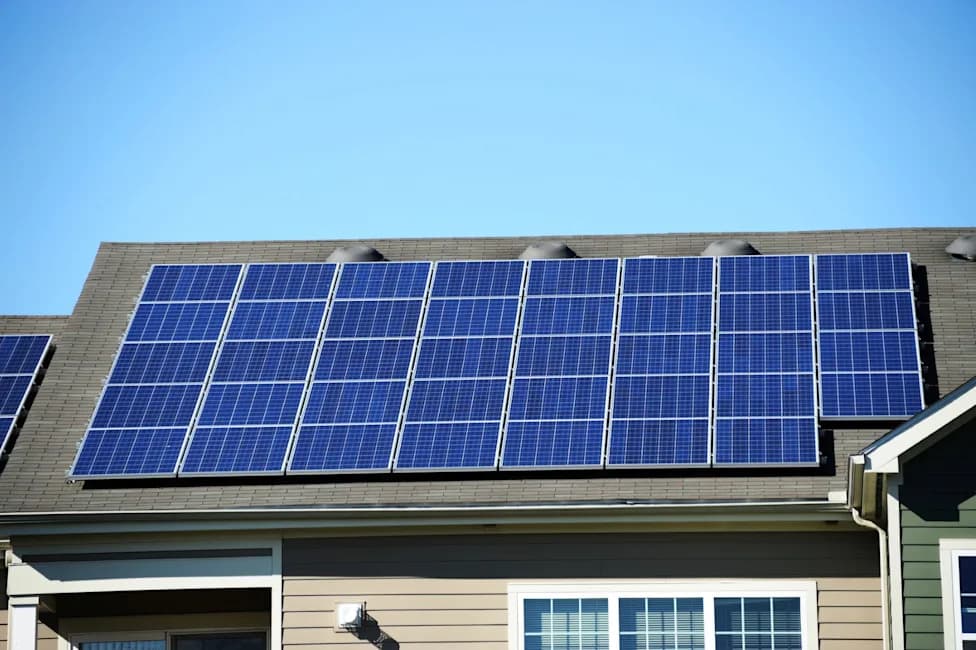
Many U.S. states are cutting payments for rooftop solar exports, moving away from retail-rate net metering toward lower-paying net-billing systems. These changes—now in over a third of states—lengthen payback periods for home solar and may slow adoption. With the federal residential solar tax credit expired and fewer battery incentives, homeowners have fewer ways to maintain system value. State examples include California's steep 2023 cuts and Illinois' gradual phase-in to reduce disruption.
Rooftop Solar Payback Shrinks As States Cut Credits For Excess Power

Photo Credit: iStock
Rooftop solar has long helped homeowners lower electricity bills and reduce greenhouse gas emissions. But across much of the United States, states are reducing payments for surplus solar power exported to the grid—weakening the financial case for home solar.
What's Changing
For years, many states relied on net metering, a policy that credits homeowners for exported electricity at or near the retail rate. Over the last decade, more than a third of U.S. states have revised rooftop-solar rules, shifting toward net billing or other frameworks that pay much lower rates for exported energy. The New York Times and Business Report have documented these shifts.
Why It Matters
Lower compensation for exported power lengthens the time it takes homeowners to recoup the upfront cost of solar panels, reducing the incentive for new installations. That slowdown affects more than household budgets: distributed rooftop solar adds local clean generation, eases peak-grid stress (especially during hot summer days), and supports local clean-energy jobs. Cutting credits at a time when other incentives have waned risks slowing adoption just as communities need cleaner, more resilient energy.
State Examples
California implemented a steep reduction in solar credits in 2023. Illinois chose a phased transition designed to soften the impact and give the industry time to adapt. In states like Louisiana, where retail electricity prices are relatively low, removing or reducing net-metering benefits can be particularly punitive for would-be solar adopters.
Responses And Tradeoffs
Utilities argue changes are necessary because solar homes continue to rely on the broader grid for reliability and backup, and that uncompensated system costs can shift onto customers without solar. Advocates counter that distributed generation provides public benefits—reduced pollution, local capacity during peaks, and resilience—that merit fair compensation.
One major market response is greater use of battery storage. Home batteries let owners store surplus daytime power to use in the evening when retail prices and demand are higher, reducing exports at low rates. However, batteries remain expensive for many households, and federal incentives for residential solar and home storage have declined, limiting how quickly storage can scale as a solution.
Looking Ahead
Compensation rates, local electricity prices, and the cost and availability of battery storage will shape who can participate in the clean-energy transition. States that phase changes over time—like Illinois—demonstrate that policy can be adjusted without abrupt disruption. As more states revisit solar credits, policymakers should weigh household impacts, grid reliability, local jobs, and equitable access to cleaner energy.
Bottom line: Reducing payments for exported rooftop solar makes systems less financially attractive, slows adoption, and shifts the balance of who benefits from distributed clean energy—unless offset by thoughtful transition plans or new incentives.
Help us improve.