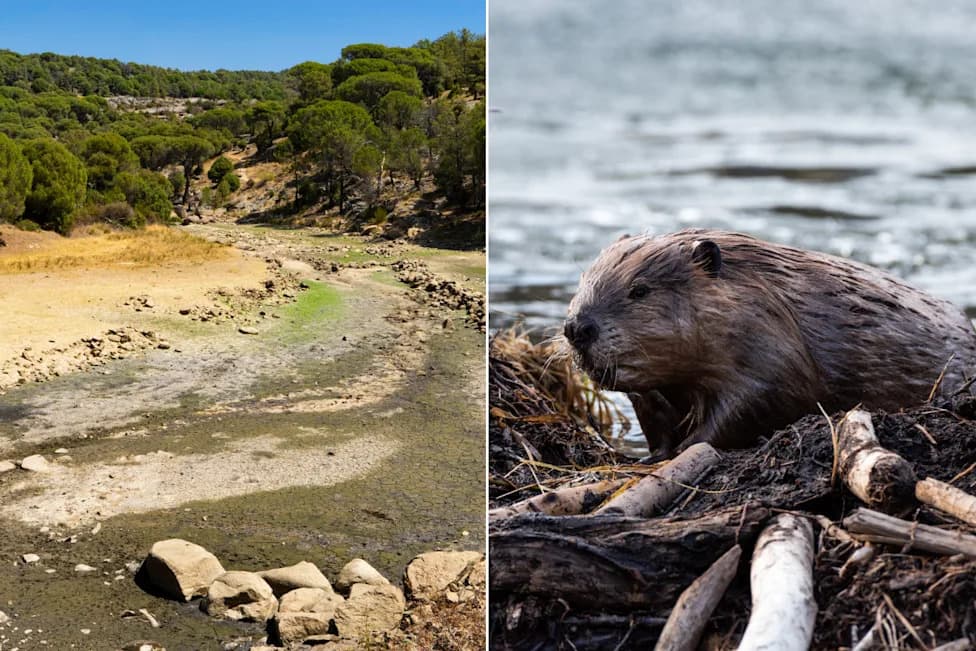
Trees for Life and partner agencies have confirmed the first wild-born beavers in Glen Affric in more than 400 years, with at least two kits believed to have been born at Loch Beinn a' Mheadhoin. Eleven beavers were relocated under licence by NatureScot from Tayside to establish the population, and the kits likely hatched in May or June and have recently emerged from their lodge. Experts say the births indicate successful settlement and support Scotland's National Beaver Strategy.
First Wild-Born Beavers In Glen Affric In Over 400 Years — A Rewilding Milestone
[BBC]
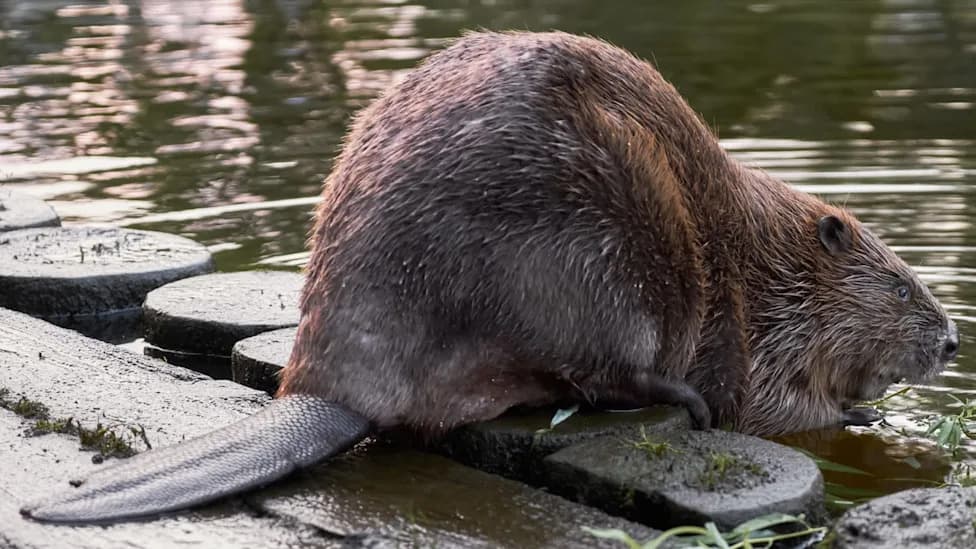
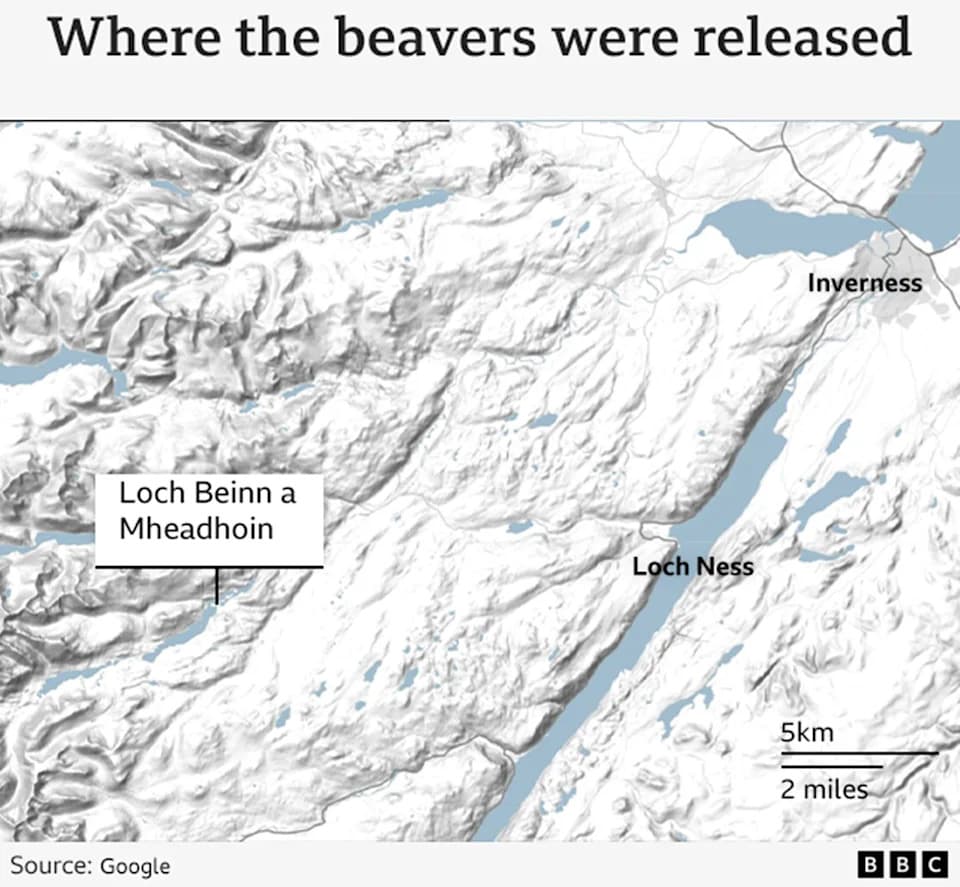
Conservationists have confirmed that Glen Affric in the Scottish Highlands is home to its first wild-born beavers in more than 400 years. At least two kits (young beavers) are believed to have been born at Loch Beinn a' Mheadhoin after a managed release of animals to the glen.
Release And Settlement
Findhorn-based charity Trees for Life said seven beavers were released at Loch Beinn a' Mheadhoin in October, followed by a family of four in February. Those 11 beavers were relocated under licence by NatureScot from farmland in Tayside to establish a new, monitored population in Glen Affric — a 43,500-acre reserve managed by Forestry and Land Scotland (FLS).
Signs Of Successful Rewilding
Trees for Life reports the kits were likely born in May or June and have only recently been seen emerging from their lodge. The births indicate the animals have settled and begun to reproduce in their new environment.
“These beaver kits symbolise a wildlife success story four centuries in the making, and how nature can recover when we give it a chance,” said Tobias Leask, Trees for Life's beaver management officer. “Seeing them for the first time is something I'll never forget. It was one of those rare moments when you realise you're witnessing history.”
Dr Roisin Campbell-Palmer, Head of Restoration at the Beaver Trust, added that the appearance of kits shows careful planning and monitoring after translocation are paying off. She said the result "reflects the commitment and collaboration of everyone involved" and provides evidence that well-managed relocations can support Scotland's National Beaver Strategy.
Wider Context
Beavers were first formally reintroduced to Scotland in 2009, and there have also been a number of unauthorised releases in other areas. Wild-born beavers have previously been recorded in the Cairngorms following licensed releases of adults. Glen Affric — near the village of Cannich — is a mix of ancient woodland, lochs, hills and mountains and provides varied habitat that can support beaver activity.
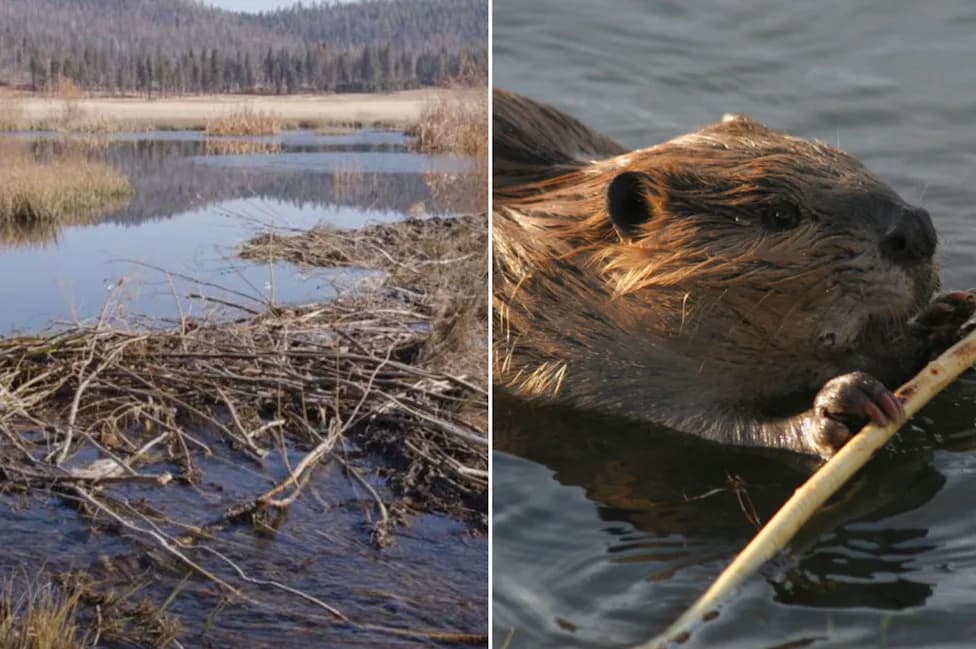
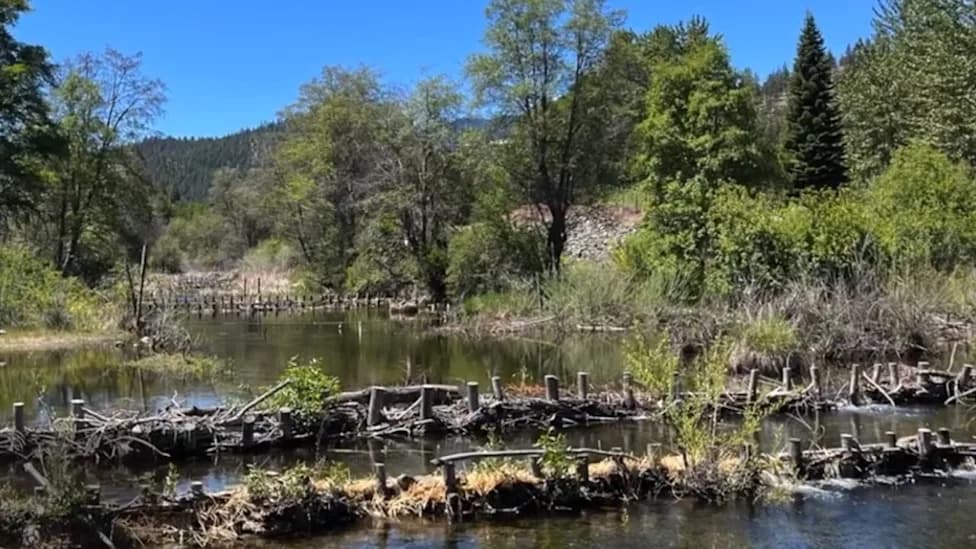
Beyond their symbolic importance, beavers can bring ecological benefits: their dam-building and water-management behaviours often enhance wetland biodiversity, slow runoff, and create habitat for other species. The Glen Affric births therefore represent both a cultural milestone and a potential boost for local ecosystem restoration.
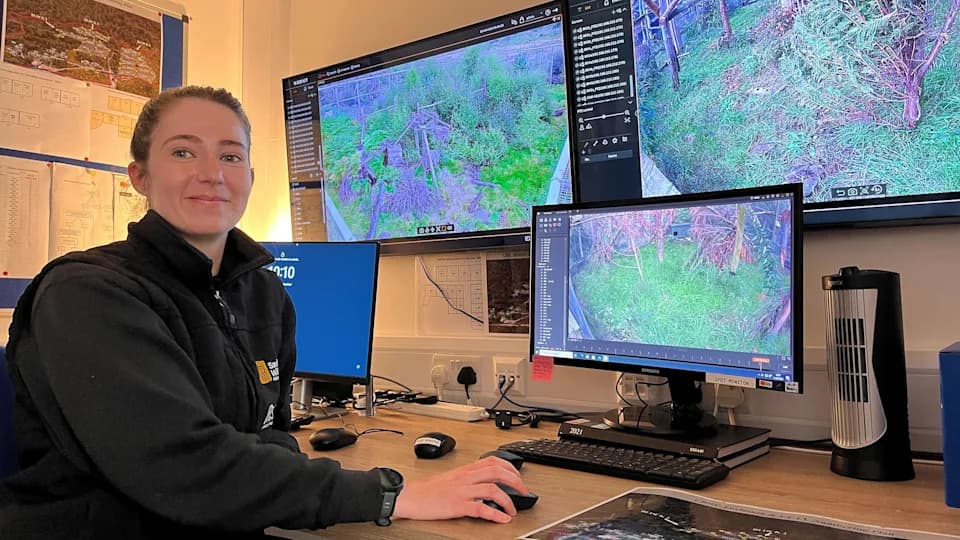
What Happens Next? Partners will continue close monitoring of the new population to manage any human-wildlife conflicts and to ensure the animals are thriving. The effort is part of wider, collaborative work to restore native species responsibly across Scotland.
Help us improve.