Delhi implemented a sweeping electric vehicle policy on July 1 that aims to make most newly registered vehicles electric by 2027, with three-wheelers and small trucks required to be electric first and two-wheelers following in 2028. The plan includes purchase subsidies, registration waivers and scrappage incentives and is estimated to cost about 150 billion rupees (~$1.5 billion). Analysts say the policy is ambitious and could cut pollution, but success depends on expanding charging infrastructure, upgrading the grid and increasing renewable power. Some vehicle owners remain cautious over range, durability and charger access.
Delhi's Bold EV Push: Most New Vehicles To Be Electric By 2027
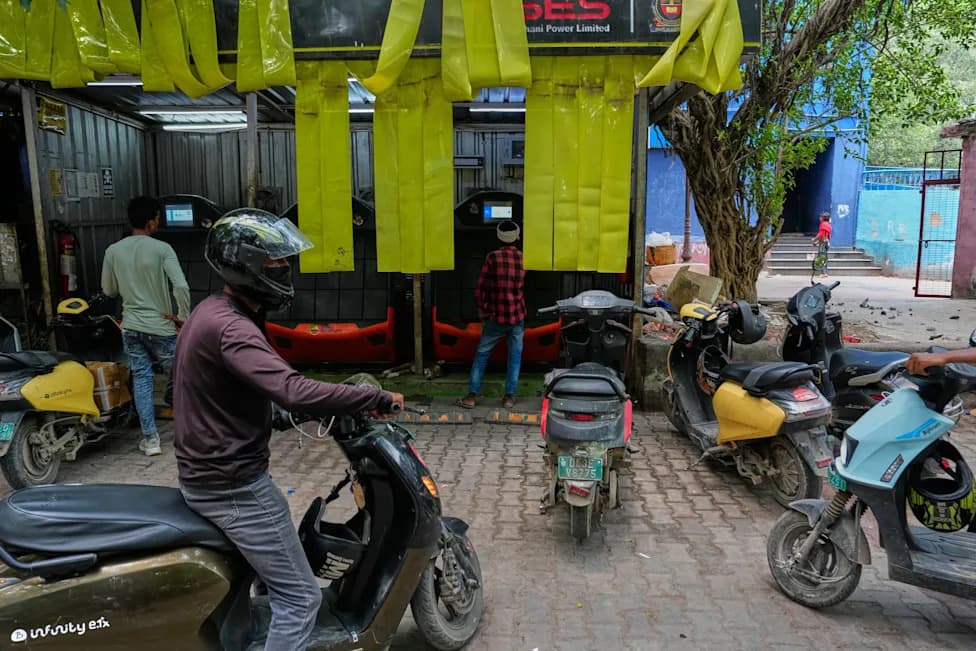
Delivery workers and drivers arrive at a battery-swapping station for electric vehicles in New Delhi, India, Monday, July 13, 2026. (AP Photo/Manish Swarup)(AP Photo/Manish Swarup)
In an upscale neighborhood of New Delhi, electric chargers around a busy shopping district hum as riders and drivers recharge scooters, small trucks and cars. The scene underscores a new reality in the city: an ambitious policy to rapidly transition road transport to electric power.
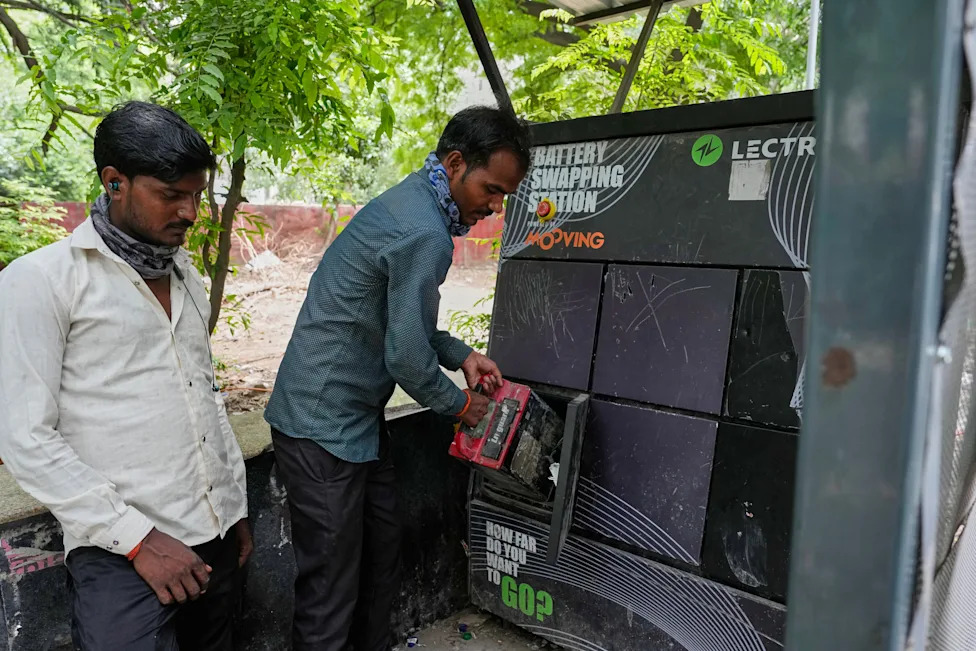
A person swaps their electric scooter battery at a battery-swapping station for electric vehicles in New Delhi, India, Monday, July 13, 2026. (AP Photo/Manish Swarup)(AP Photo/Manish Swarup)
What the Policy Requires
Effective July 1, Delhi's policy aims for the vast majority of newly registered vehicles to be electric by 2027. The plan sets firm deadlines for certain vehicle categories: beginning in 2027, newly registered three-wheelers and small trucks must be electric, with two-wheelers required to follow in 2028. Existing gasoline, diesel and CNG vehicles will not be immediately banned but are expected to decline over time as the incentives and deadlines take effect.
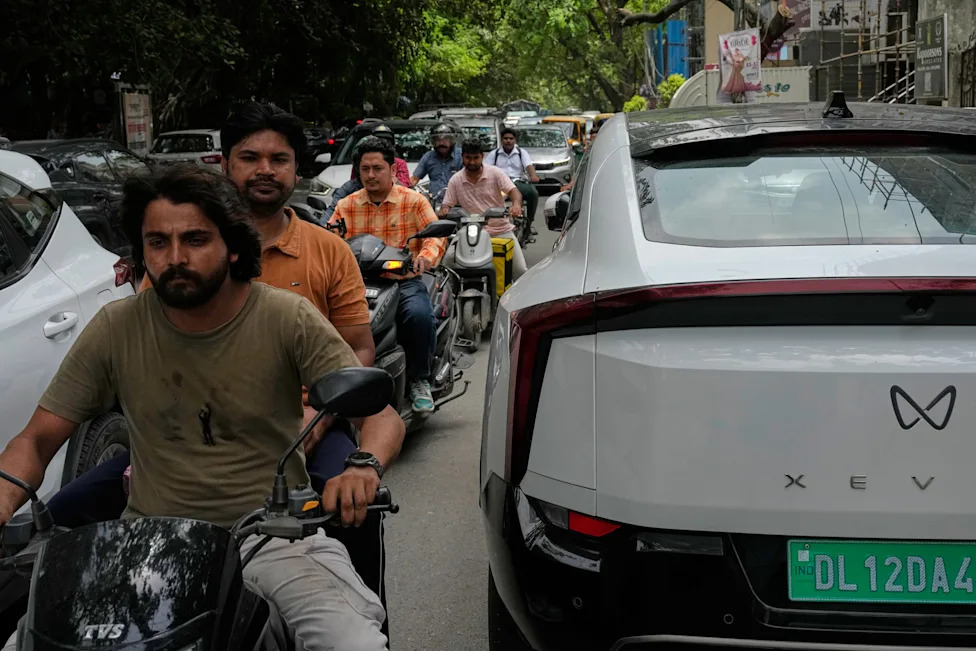
Two wheelers drive past an electric vehicle parked along a street in New Delhi, India, Monday, July 13, 2026. (AP Photo/Manish Swarup)(AP Photo/Manish Swarup)
Incentives And Costs
The program combines buyer subsidies, registration-fee waivers and partial road-tax relief with scrappage incentives for older petrol vehicles. The city estimates the initiative will cost about 150 billion rupees (roughly $1.5 billion). Under the scheme, buyers may receive up to 50,000 rupees (~$522) for purchasing an EV and up to 100,000 rupees (~$1,044) for scrapping an old gasoline vehicle.
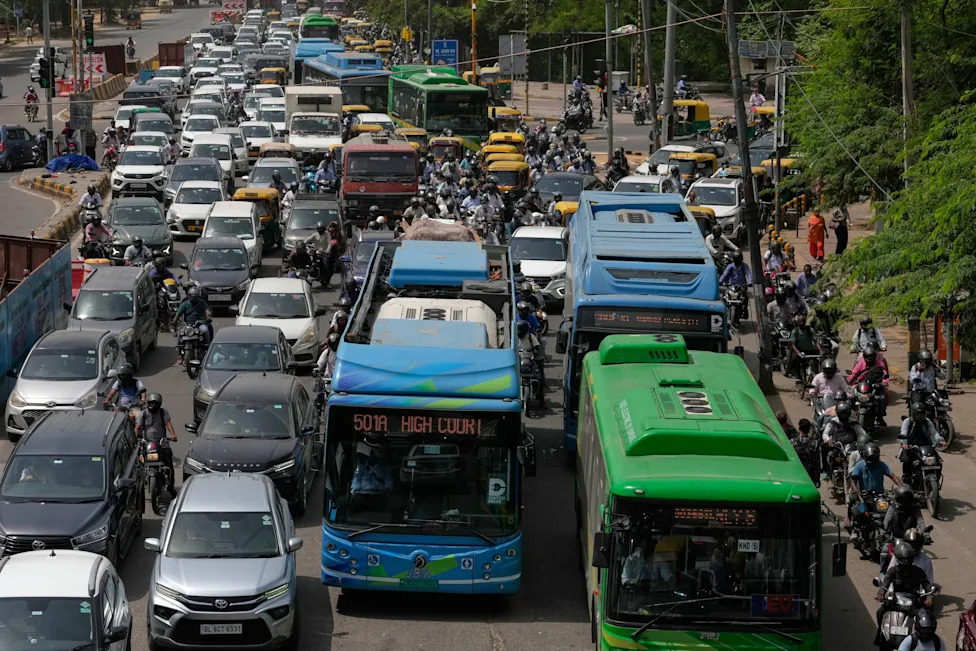
Electric buses move through dense traffic alongside other vehicles and scooters in New Delhi, India, Tuesday, July 14, 2026. (AP Photo/Manish Swarup)(AP Photo/Manish Swarup)
Current Uptake And The Scale Of The Challenge
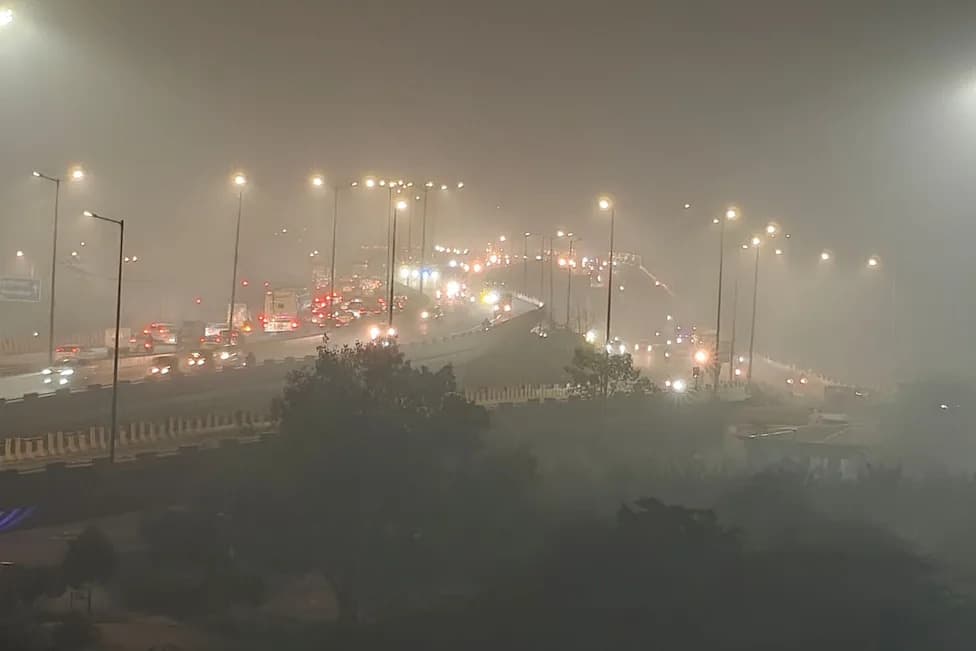
Only about 5% of Delhi's roughly 8.7 million registered vehicles are electric today, though registrations rose by more than 100,000 EVs in the past year — mostly two- and three-wheelers. Two- and three-wheel vehicles account for nearly 70% of vehicles in the city and are responsible for a large share of vehicular emissions.
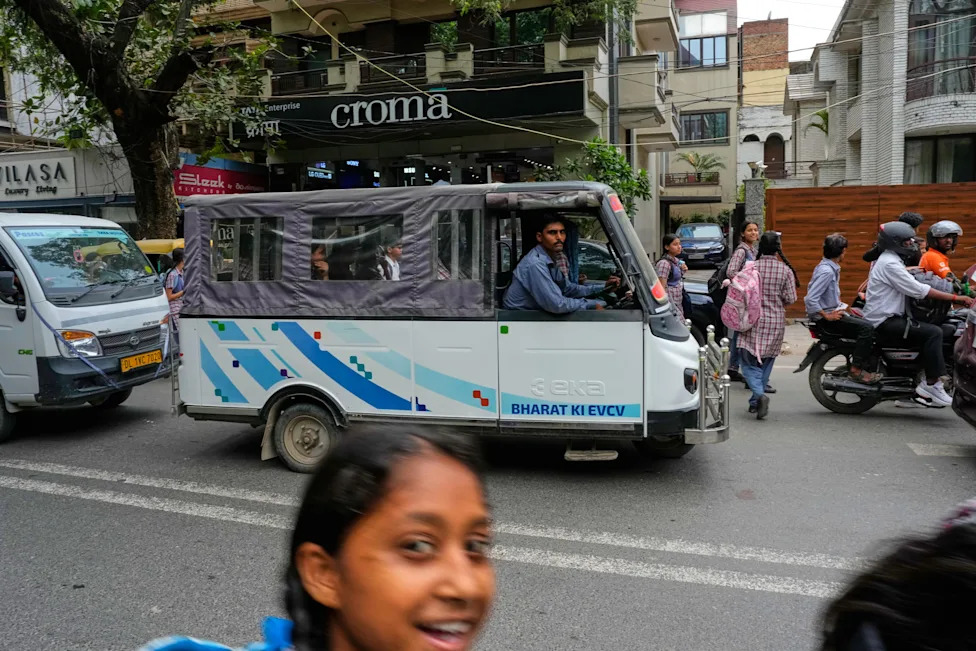
An electric vehicle maneuvers down a road in New Delhi, India, Monday, July 13, 2026. (AP Photo/Manish Swarup)(AP Photo/Manish Swarup)
'Delhi's EV policy is one of the most ambitious policies that I have seen in India,' said Jaideep Saraswat of the Vasudha Foundation, adding that firm deadlines send a signal to manufacturers and consumers that the transition is inevitable.
Infrastructure, Grid And Power Concerns
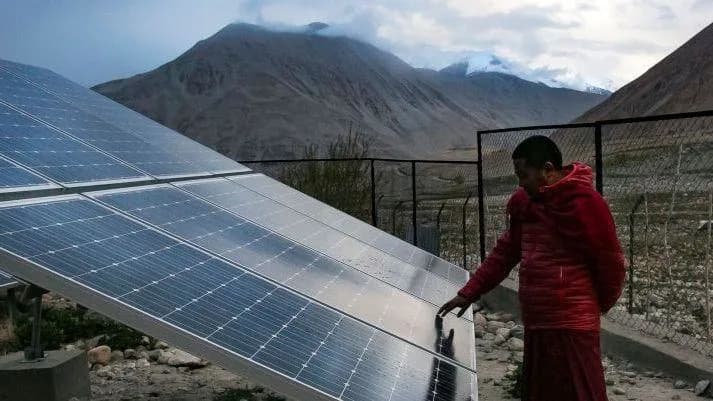
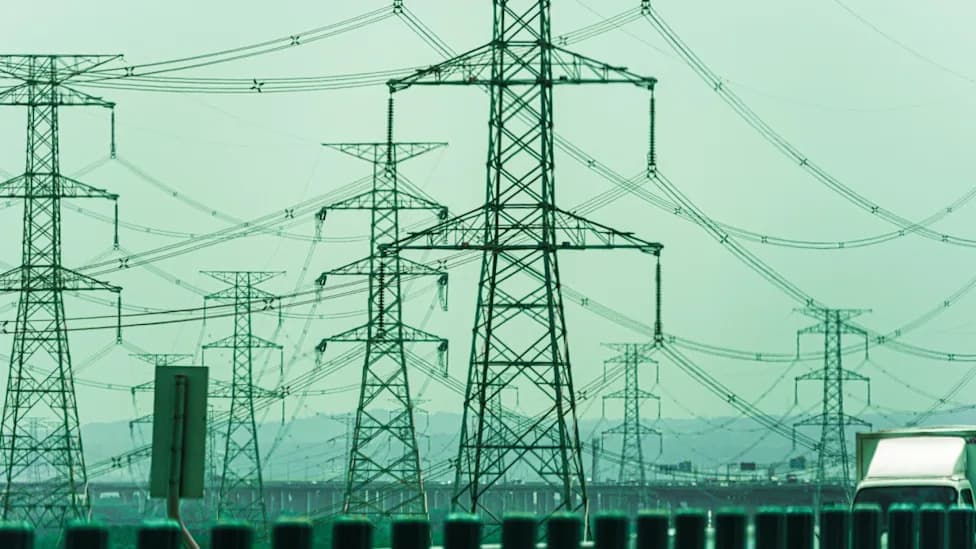
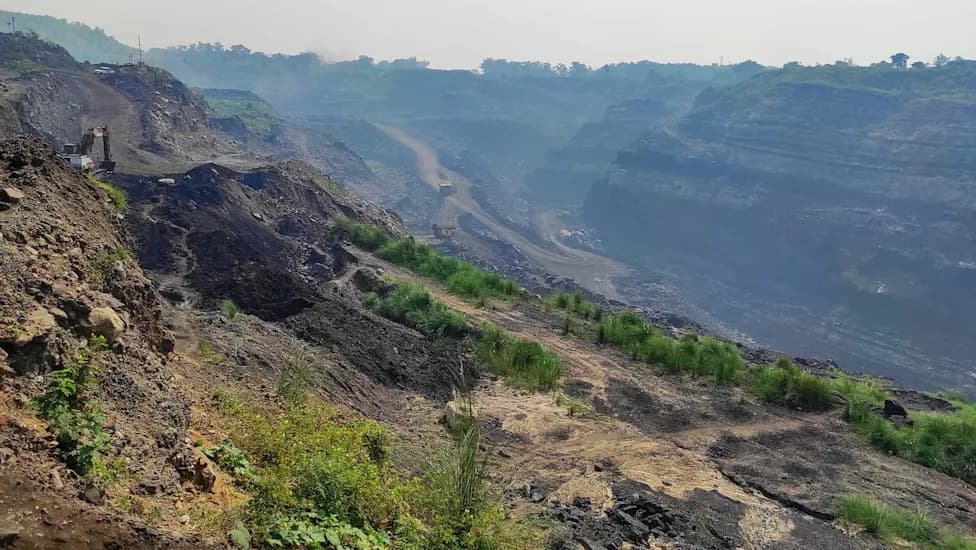
Analysts emphasize that the policy's success depends on rapid expansion of charging infrastructure and upgrades to the electricity grid. Most charging currently occurs at night, increasing reliance on thermal power plants when solar output is low. Experts recommend the deployment of fast chargers for buses and cargo vehicles, battery storage at charging hubs, and time-of-day pricing to shift demand to periods of cleaner generation.
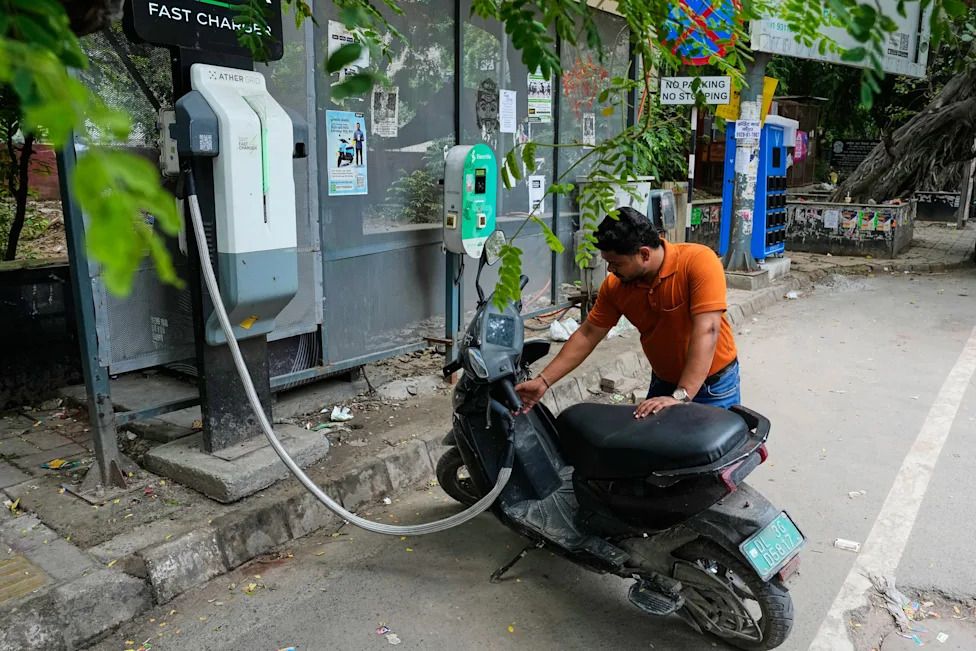
A person charges his electric scooter at a roadside charging station in New Delhi, India, Monday, July 13, 2026. (AP Photo/Manish Swarup)(AP Photo/Manish Swarup)
'Cleaner vehicles should reduce public exposure to roadside emissions, but benefits will take time as older vehicles remain on the road,' said Sunil Dahiya, founder of Envirocatalyst.
Public Concerns And Practical Barriers
Some vehicle owners remain hesitant. Concerns include limited battery range, longevity amid street flooding and the availability of chargers for longer trips. As one resident noted, many buyers prefer to wait for improved models and clearer value-for-money before switching.
Looking Ahead
To deliver cleaner air, Delhi will need to coordinate with neighboring states to decarbonize the regional grid and accelerate electrification of public transport. If implemented effectively, analysts say the policy could significantly reduce pollution over time, even though measurable air-quality improvements may take years as older combustion vehicles are phased out.
Reporting: This report is based on local reporting and expert commentary about Delhi's EV policy and its expected challenges and benefits.
Help us improve.