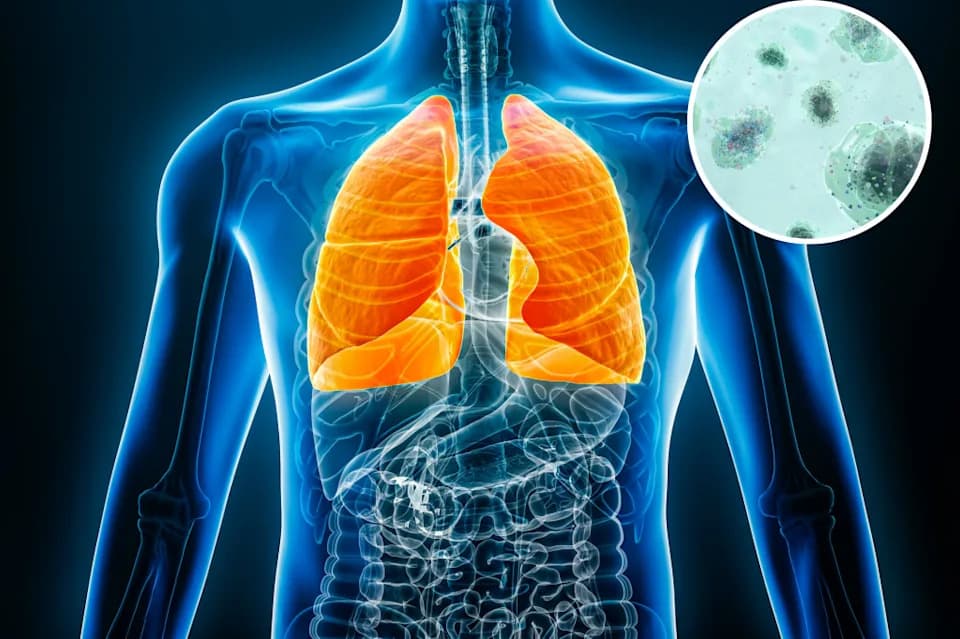
A small Italian study examined coronary artery blood from 61 angiogram patients and detected microplastics or nanoplastics in 84% of those with an active, severe heart attack, compared with 40% of chronic heart disease patients and 32% of patients with normal arteries. Polyethylene was present in 97% of positive cases. Smoking—and possibly air pollution—was linked to higher particle presence. The researchers emphasized the findings show association, not proof of causation.
High Levels of Microplastics Found in Blood of Severe Heart Attack Patients

Study finds alarming level of microplastics in heart attack patients’ blood
A study from Italy reports an association between elevated levels of microplastics and nanoplastics in coronary artery blood and severe, active heart attacks. Researchers measured plastic particles in samples from 61 patients undergoing angiograms and found markedly higher detection rates among those experiencing an acute, severe heart attack.
Key Findings
Overall, microplastics or nanoplastics were detected in 84% of patients with an active, severe heart attack. By comparison, 40% of patients with chronic heart disease and 32% of patients with normal coronary arteries had detectable particles.
Polyethylene—a common plastic used in bags and bottles—was the most frequently identified material, appearing in 97% of patients who tested positive for micro- or nanoplastics.
Possible Links and Mechanisms
Investigators also observed an association between a history of smoking and the presence of micro- and nanoplastics in the bloodstream. The authors suggest smoking may increase particle uptake through the lungs; similarly, air pollution could facilitate particle entry into the body.
"These findings do not prove that microplastics cause heart attacks, but they reveal a strong association between environmental exposures, microplastics in the blood and cardiovascular disease," said lead researcher Emanuele Barbato.
Limitations and Next Steps
The study is observational and relatively small (61 patients), so it cannot establish causation. Larger, multi-center and longitudinal studies are needed to determine whether microplastics contribute directly to cardiovascular risk, identify exposure sources and clarify biological mechanisms.
Until then, the results add to growing concern about microplastic exposure and highlight the need for further research on potential health effects and mitigation strategies.
Help us improve.