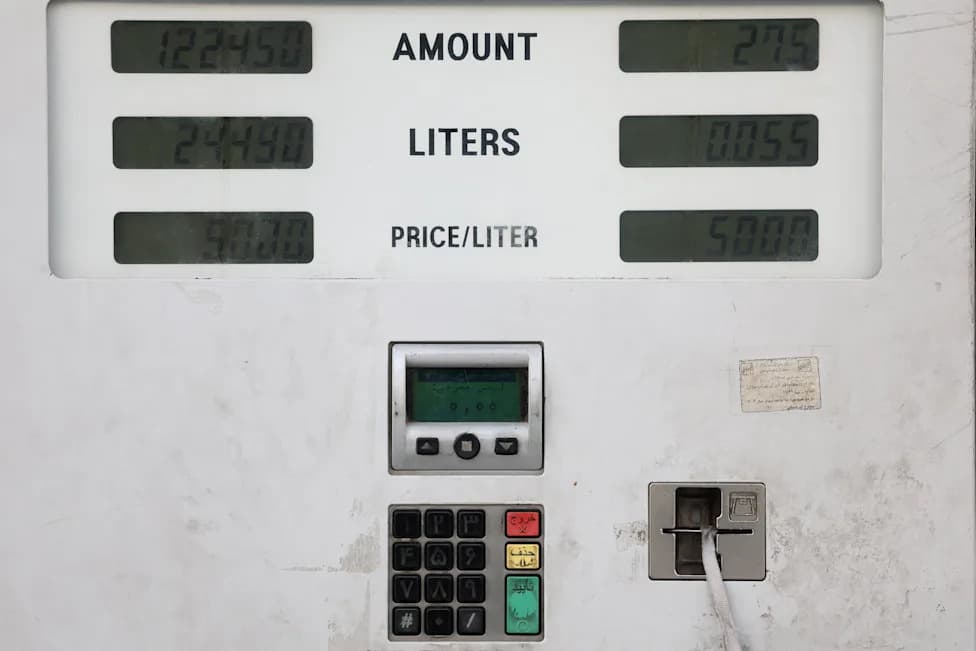
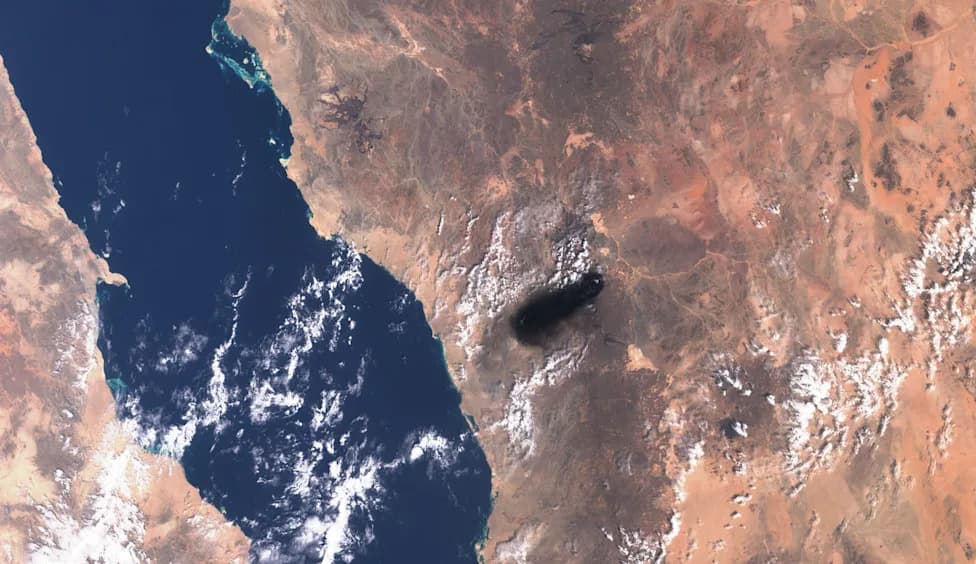
Irbil residents faced overnight queues as fuel supplies dwindled in the Kurdish regional capital amid security threats tied to U.S.-Iran tensions. Dana Gas cut output at the Khor Mor field after drone attacks, and officials blame militia strikes and wider insecurity for disruptions. Temperatures climbed above 45°C as drivers queued; authorities capped sales at two 40-liter fill-ups per family per week. Kurdish leaders asked Baghdad to raise the region\'s crude allocation from 50,000 to about 126,700 barrels per day to ease the shortage.
Drivers Endure Night-Long Queues in Irbil as War-Driven Fuel Shortage Paralyzes Kurdish Region
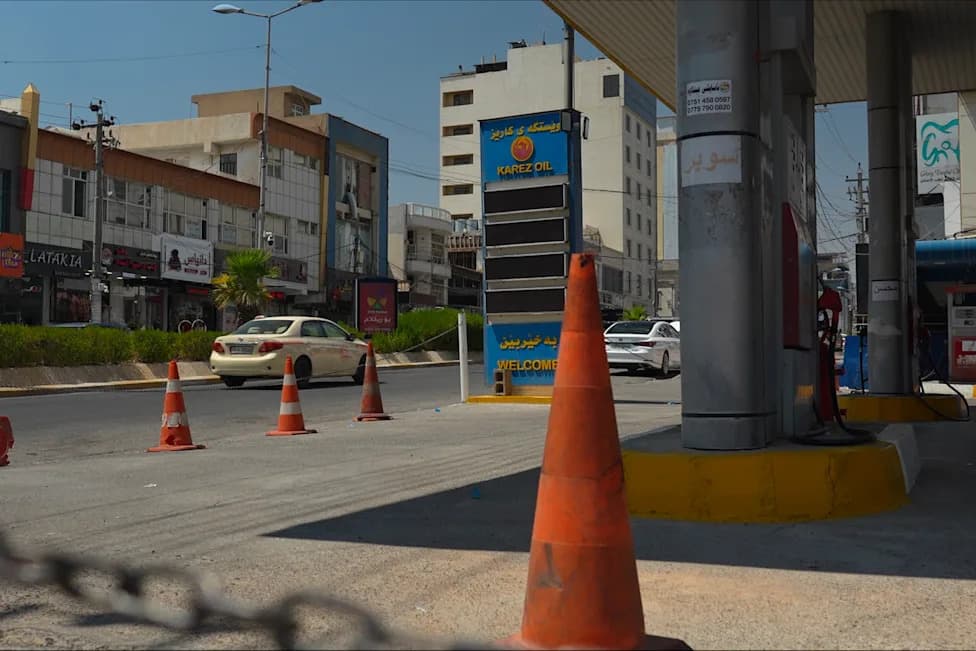
Vehicles drive past a closed gas station during a fuel shortage in Irbil, Iraq, Tuesday, July 28, 2026. (AP Photo/Stella Martany)(AP Photo/Stella Martany)
Irbil, Iraq — Drivers across Iraq's semiautonomous Kurdish region have endured hours-long and overnight lines at a dwindling number of petrol stations as a fuel shortage tightened its grip on the regional capital.
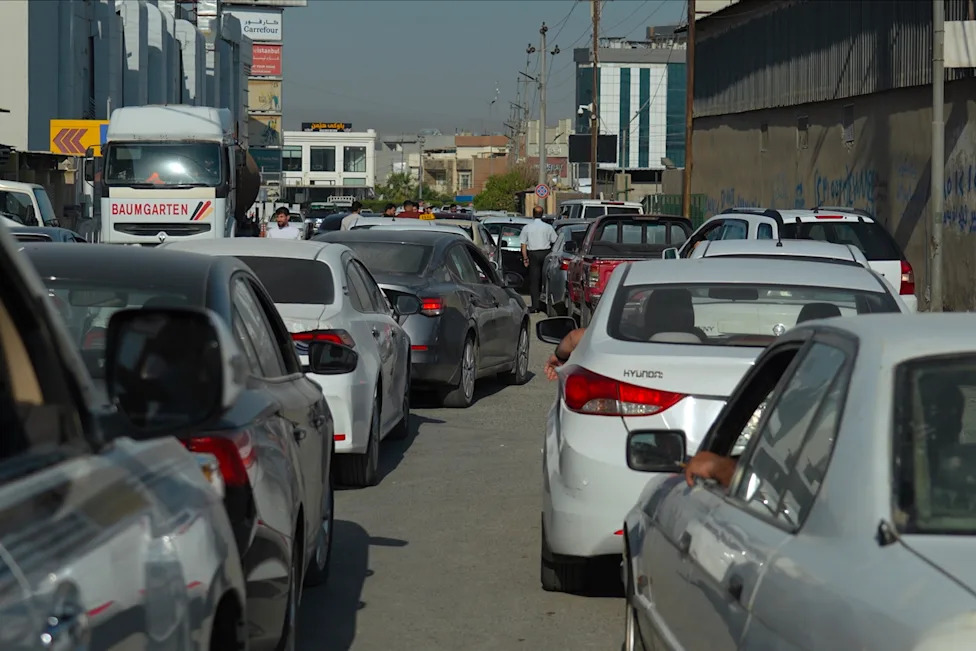
Drivers wait in a long line to get fuel at a gas station during a fuel shortage in Irbil, Iraq, Tuesday, July 28, 2026. (AP Photo/Stella Martany)(AP Photo/Stella Martany)
Production Cuts and Security Concerns
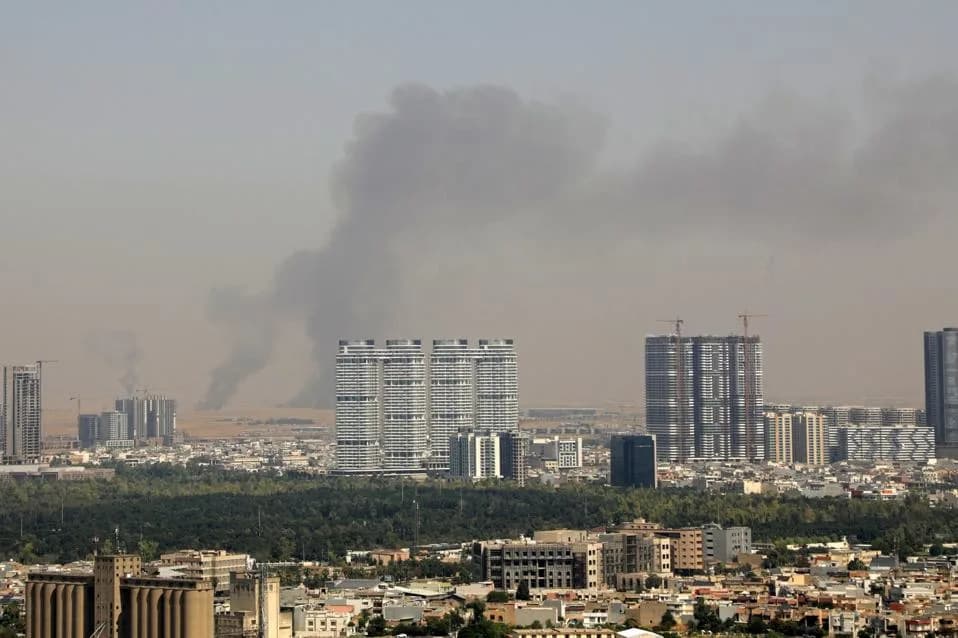
Kurdish Regional Government Prime Minister Masrour Barzani said security threats tied to the broader U.S.-Iran tensions forced Dana Gas, the largest producer in northern Iraq, to scale back output at the Khor Mor gas field. He cited drone strikes and other attacks as reasons for the production cuts.
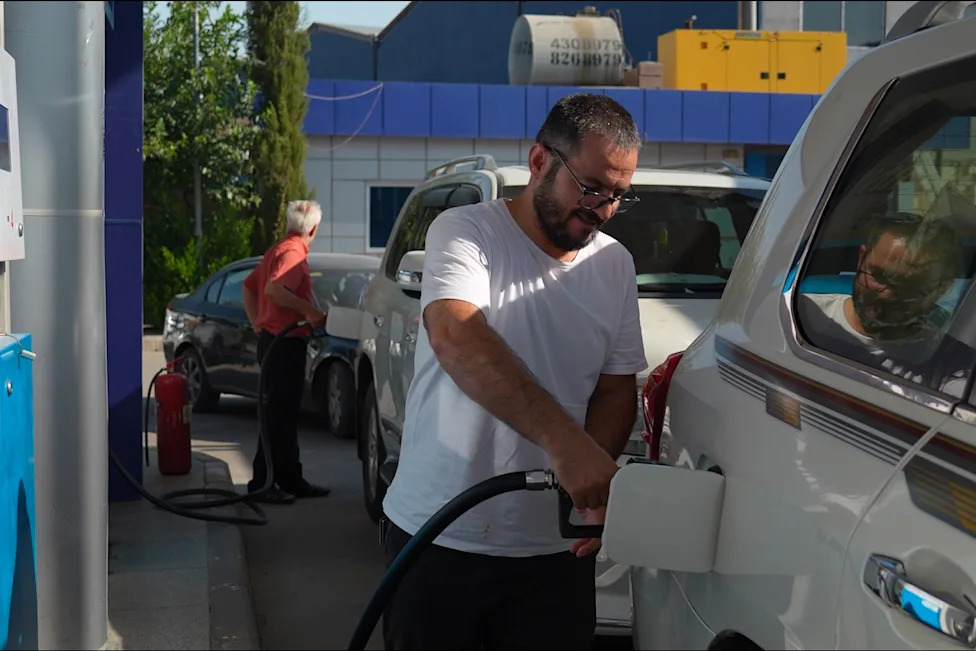
People pump gasoline into their car at a gas station during a fuel shortage in Irbil, Iraq, Tuesday, July 28, 2026. (AP Photo/Stella Martany)(AP Photo/Stella Martany)
Militias, Retaliation and Ongoing Tensions
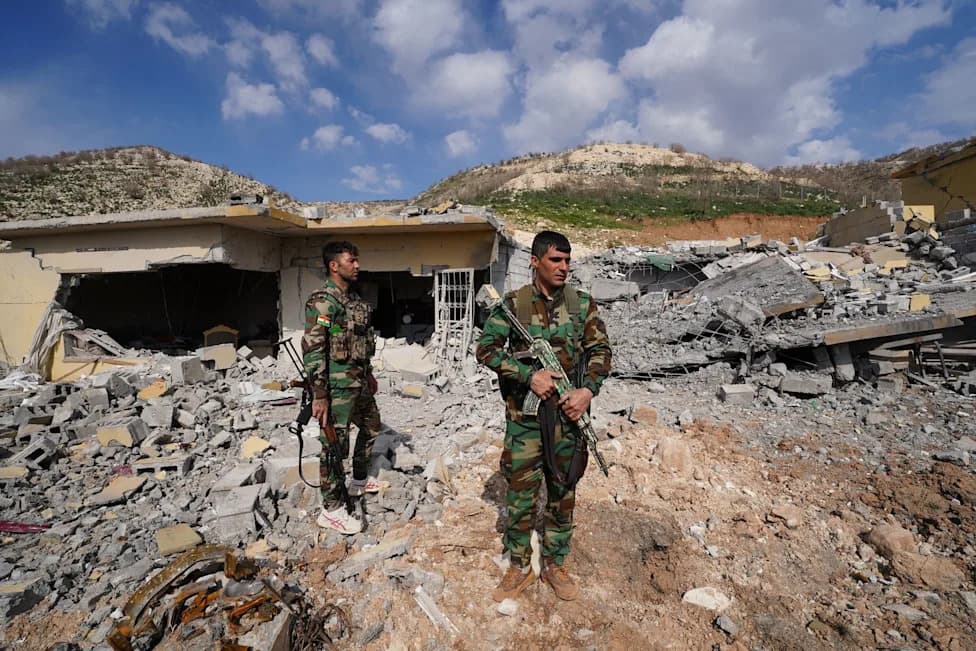
Iran-backed Iraqi militia groups have launched multiple drone strikes targeting U.S. interests in Iraq. The United States has struck militia bases in response. Separately, some Kurdish opposition groups that have long battled Iranian authorities maintain bases inside Iraq; those positions have been targeted as well. While mediators report progress toward reducing direct exchanges between the U.S. and Iran, sporadic attacks by armed groups continue, and northern Iraqi authorities say the insecurity has disrupted fuel supplies.
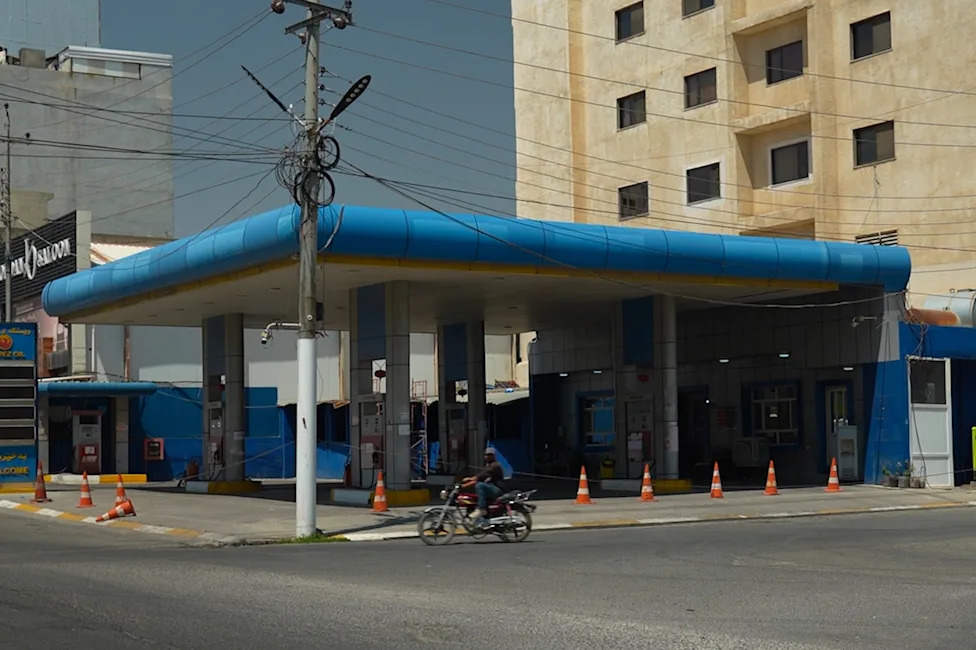
A motorcycle driver passes a gas station during a fuel shortage in Irbil, Iraq, Tuesday, July 28, 2026. (AP Photo/Stella Martany)(AP Photo/Stella Martany)
Scenes At The Pumps
By 6 a.m., only a handful of stations were still dispensing fuel, and queues stretched so far that some motorists could no longer see the pumps they were waiting for. Many drivers rolled down windows to conserve every liter (gallon) in their tanks, forgoing air conditioning despite blistering summer heat that topped 45°C (113°F) by midmorning.
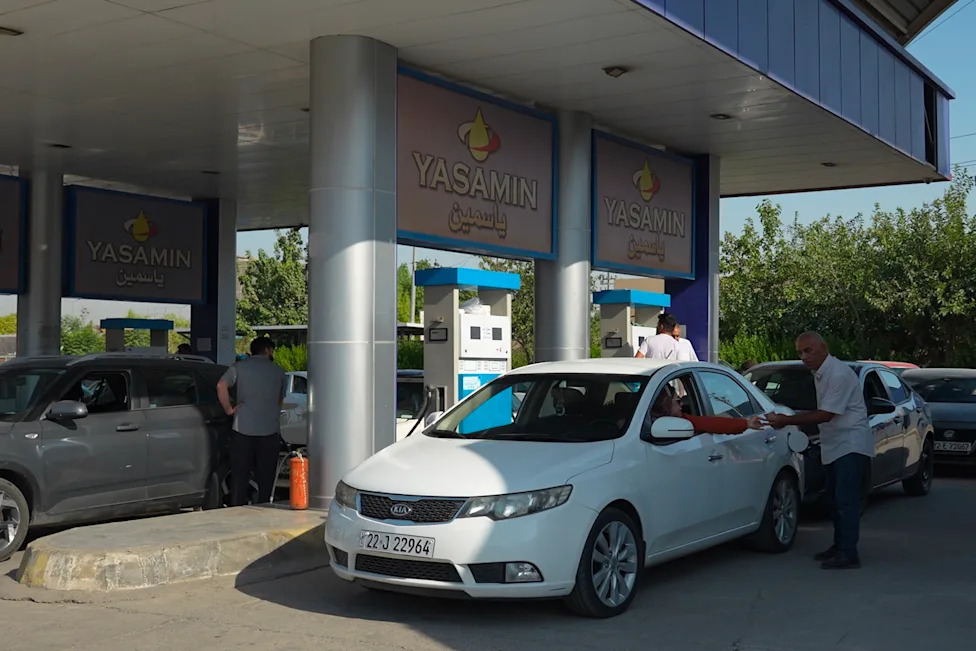
Men pumps gasoline into his car at a gas station during a fuel shortage in Irbil, Iraq, Tuesday, July 28, 2026. (AP Photo/Stella Martany)(AP Photo/Stella Martany)
"We came at 11:30 p.m. last night," said Twana Mohammed, a 43-year-old biology teacher who parked in line, went home, then returned before dawn after searching for fuel for four days. "There\'s no fuel left in my car. It will be good if it makes it to the gas station."
Tensions sometimes boiled over: single-file lines split into two or three queues as frustrated drivers sought to move forward faster. Abdullah Hamad, a 50-year-old car dealer, said people were losing work hours because of the shortage. "Every five minutes we move forward a little bit, then turn the engine off, wait for five minutes, and move forward again," he said.
Rationing, Supplies And Prices
At one operating government station, attendants reported receiving 36,000 liters (7,900 gallons) that morning and had already served roughly 300 vehicles; they hoped the shipment would serve another 700–800 cars. For now, families are limited to one fill-up of 40 liters (10.5 gallons) twice per week.
Officials said the shortage worsened after regional authorities ordered lower pump prices; many private stations stopped selling fuel rather than comply with the mandated rate. The Kurdish government has called on Baghdad to raise the region\'s allocation of crude oil for domestic consumption from 50,000 barrels per day to about 126,700 barrels per day to boost supply and lower prices.
Wider Irony And Economic Context
Residents pointed to the bitter irony of long gas lines in one of the world\'s oil-rich countries. Iraq relies on oil revenues for roughly 90% of its national budget, yet logistical, security and pricing decisions have left consumers in Irbil facing shortages and higher local prices compared with Baghdad. Officials stress that restoring stable production and secure transport routes is essential to easing the crisis.
Help us improve.