Colorado bucks a national trend where affordable apartments often cost more to build than market-rate units. A RAND study of 140+ developments found Colorado’s subsidized housing was about $50 less per square foot than market-rate projects, largely because public land was made available cheaply. State reforms—like the 2026 HOME Act, a single funding application, fast-track reviews, parking reform and streamlined permits for modular construction—reduced land and soft costs. Stronger regional cost data and a focus on financing efficiency could help other states narrow the affordability gap.
How Colorado Narrowed the Cost Gap Between Affordable and Market-Rate Housing
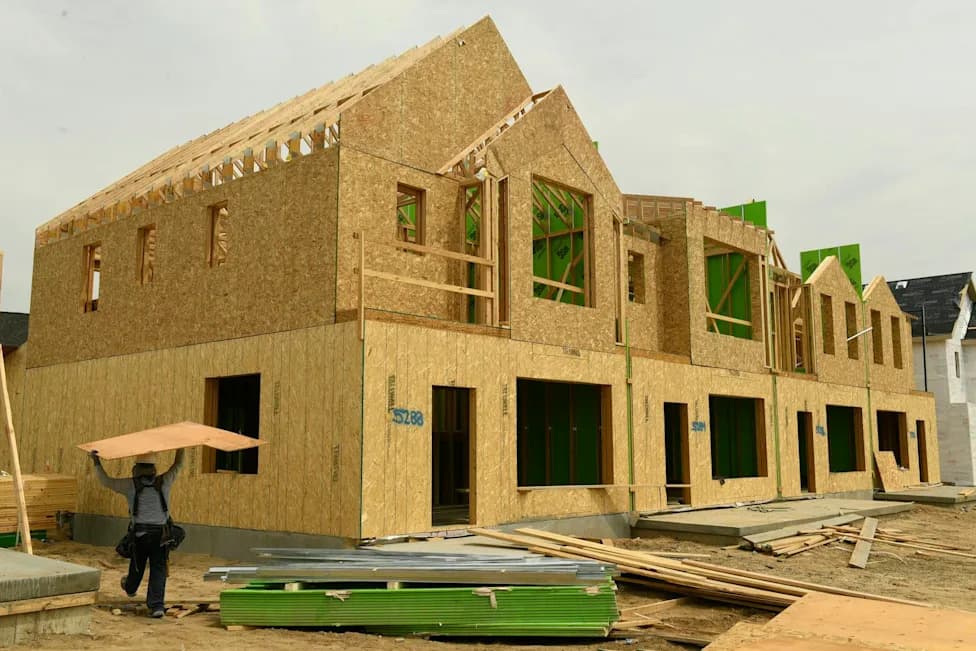
Reducing the administrative and regulatory costs associated with building affordable housing can increase the housing supply in Colorado.Helen H. Richardson/The Denver Post via Getty Images
Across most of the United States, developers often spend more to build affordable apartments for low-income households than to build comparable market-rate units nearby. That counterintuitive reality is a major driver of the nation's housing shortage: the homes intended for people with the greatest need can be the most expensive to produce.
Why Affordable Housing Can Cost More
Affordable housing programs target households earning well below area median incomes, which means the rents those households can pay frequently fall short of the cost to build a new apartment. To bridge that gap, developers assemble multiple layers of public and private subsidies. The Low-Income Housing Tax Credit (LIHTC) is usually the foundation, but because LIHTC rarely closes the entire financing gap, projects commonly combine state tax credits, local housing funds and federal grants.
Each funding source brings its own application, compliance rules and timelines. Pulling those pieces together requires lawyers, accountants, consultants and extra staff — the so-called soft costs that are added to hard costs like concrete, steel and labor. Studies comparing subsidized and market-rate projects show that these soft costs account for a large share of the price difference: much of what makes affordable housing expensive is the financial and regulatory machinery wrapped around the building, not the building itself.
Policy blind spots: A 2023 Government Accountability Office report found no federal agency has clear authority to collect and compare development-cost data nationwide, leaving policymakers to make large spending decisions with incomplete cost information.
What Colorado Did Differently
A RAND study of more than 140 developments in California, Colorado and Texas found Colorado’s affordable apartments cost roughly $50 less per square foot to build than the state’s market-rate units — the only state in the study where subsidized projects were cheaper on a per-square-foot basis. The decisive factor was land.
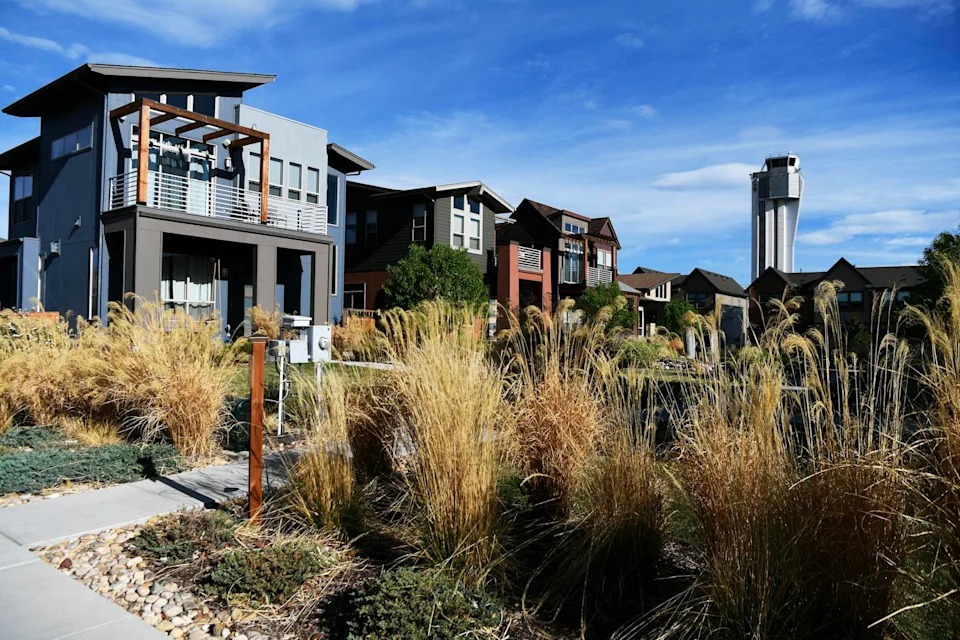
The costs of building affordable housing extend beyond the physical building materials.Andy Cross/The Denver Post via Getty Images
In Colorado, many affordable developments secured land for about $1.50 per square foot, versus roughly $23 per square foot for market-rate projects. Public land offered at low or no cost and generally cheaper building sites helped offset the higher soft costs that affordable projects carry everywhere.
Key State Reforms
- 2026 HOME Act: Authorizes school districts, universities, transit agencies, housing authorities and qualifying nonprofits to build homes on publicly owned land through a streamlined approval process that limits restrictive zoning and reduces both land costs and approval time.
- Proposition 123 (2022): Requires communities that seek state housing funds to decide on affordable-housing applications within 90 days. More than 100 jurisdictions, including Denver, now use such fast-track reviews.
- Common Funding Application: A single application lets developers apply once for state, housing finance agency and city funds—cutting duplication and reducing soft costs.
- Parking Reform: Denver eliminated parking minimums in 2025 after a 2024 state law eased mandates near transit. Research from the University of Denver estimated removing parking minimums could boost housing production by about 12.5% (roughly 460 additional homes a year in Denver).
- Factory-Built Construction: Eased permitting for modular and panelized construction lets affordable developers reduce costs and timelines. HUD-era research found a modular affordable project in Detroit cost about 30% less than comparable nearby construction.
Lessons And Next Steps
Colorado’s experience shows two clear lessons: first, land policy can be the single most powerful lever to lower development costs; second, reducing duplication and delay in financing and approvals can materially shrink soft costs. Strengthening regional cost data and building partnerships among agencies, lenders, universities and developers would give policymakers a clearer picture of which rules add value and which only add delay and expense.
Stable, affordable housing improves health, educational outcomes and lifetime earnings. For example, a national study found each additional year a child spent in assisted housing during adolescence raised adult earnings by 3% to 6%. Every dollar saved from unnecessary delay or duplication is a dollar that can help deliver another home.
Subsidies will remain necessary when rents fall short of construction costs. But those costs are not immutable. Colorado’s policy experiments demonstrate that the gap between affordable and market-rate housing can be narrowed by treating the financial plumbing as deliberately as the bricks and mortar.
By Solomon Greene, University of Denver. Republished from The Conversation.
Help us improve.