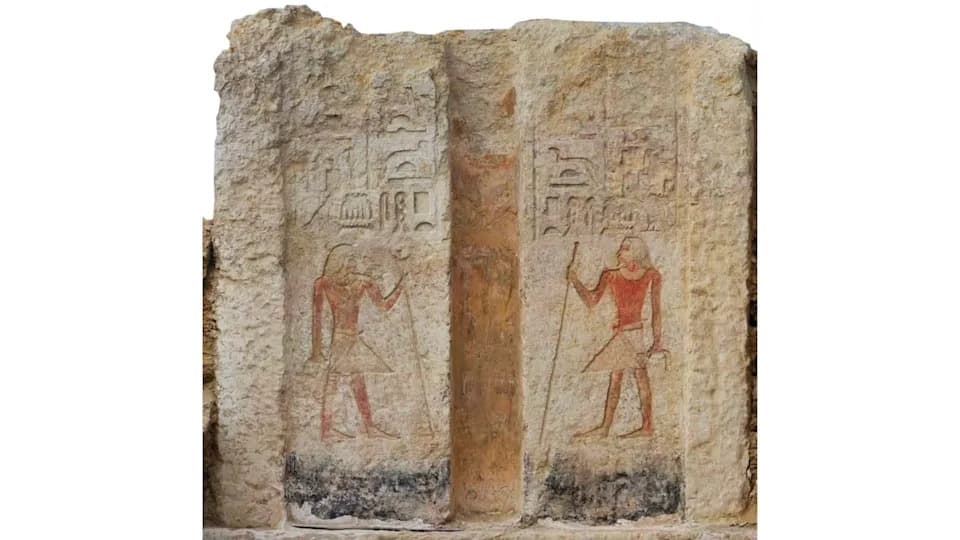
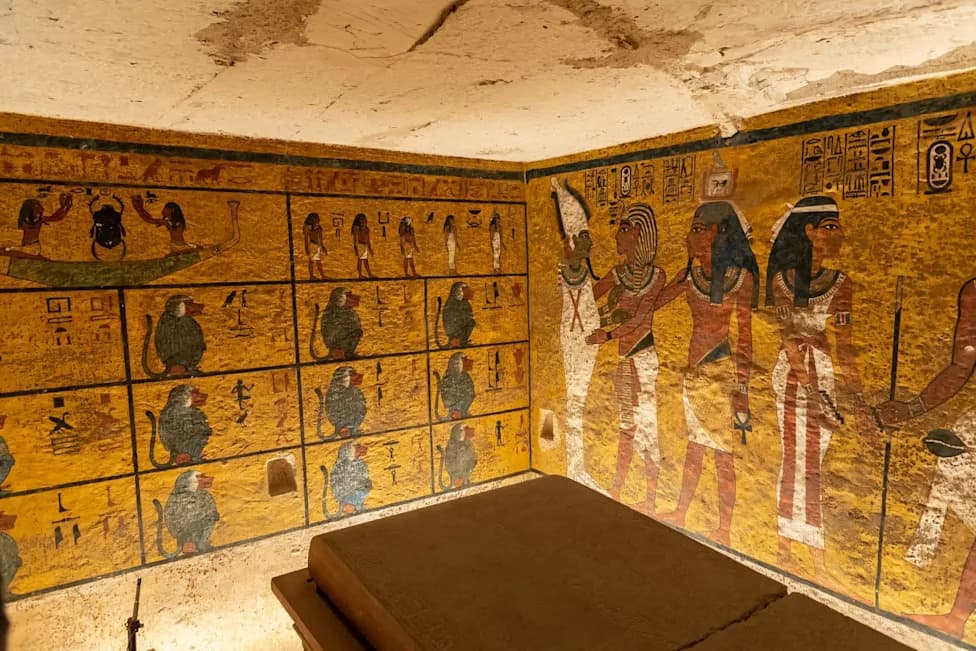
The Tell Athar Quesna excavation in Egypt’s central Nile Delta uncovered a non‑royal tomb complex dating from about 664 BCE to 641 CE. Archaeologists recovered 560 faience ushabti, semi‑precious stone amulets, and pottery that includes an imported vessel from Rhodes. A puzzling burial arrangement—plates placed under an arm and between the thighs—suggests a ritual not yet understood. The assemblage sheds new light on funerary customs and Mediterranean trade affecting non‑royal Egyptians.
Archaeologists Find 560 Ushabti and a Baffling Burial Ritual in a 2,600-Year-Old Egyptian Tomb
This Egyptian Tomb Ritual Baffles Archaeologiststanukiphoto - Getty Images
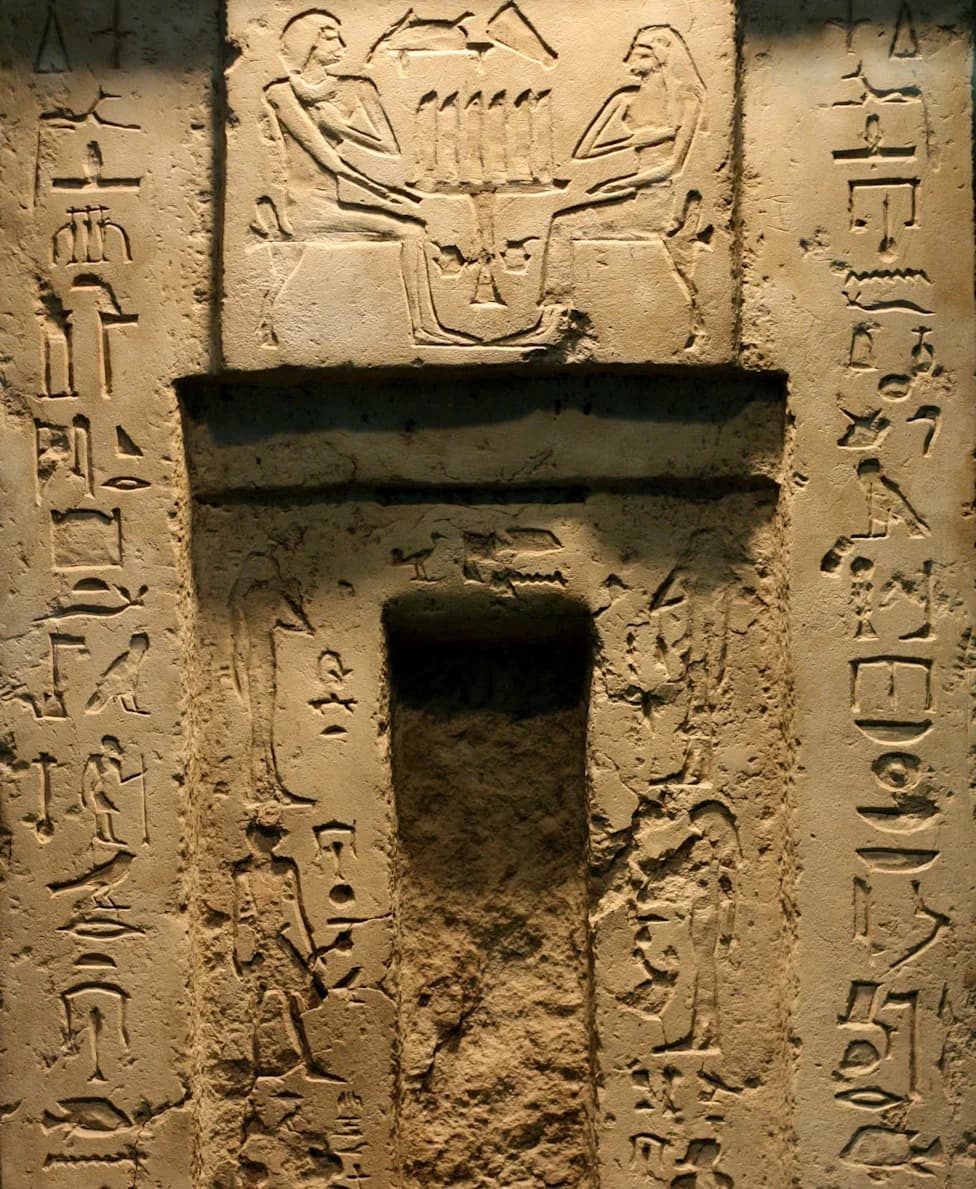
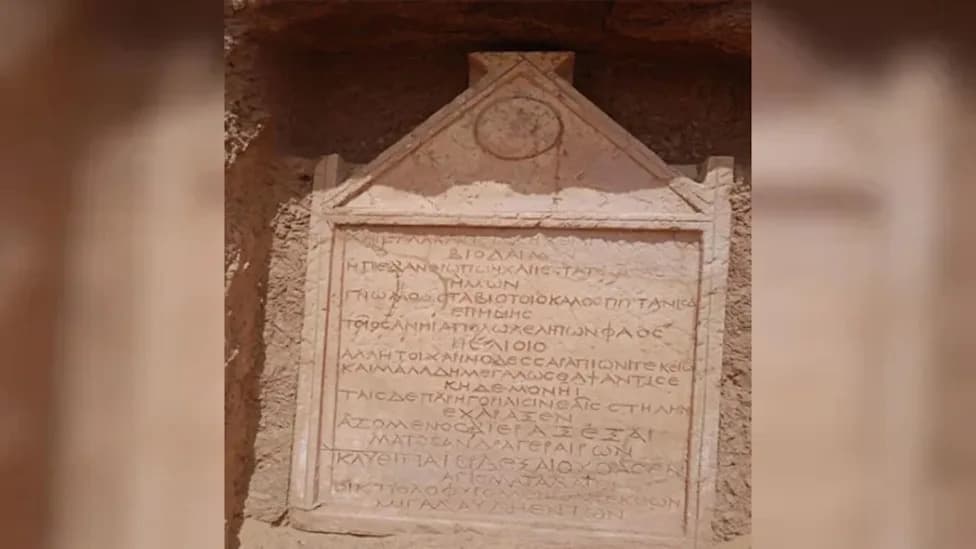
Archaeologists working at the Tell Athar Quesna necropolis in Egypt’s central Nile Delta have uncovered a richly furnished non-royal tomb complex that expands our understanding of funerary practice and cross-Mediterranean contact from the Late Period through the Greco‑Roman era (circa 664 BCE–641 CE).
Key Discoveries
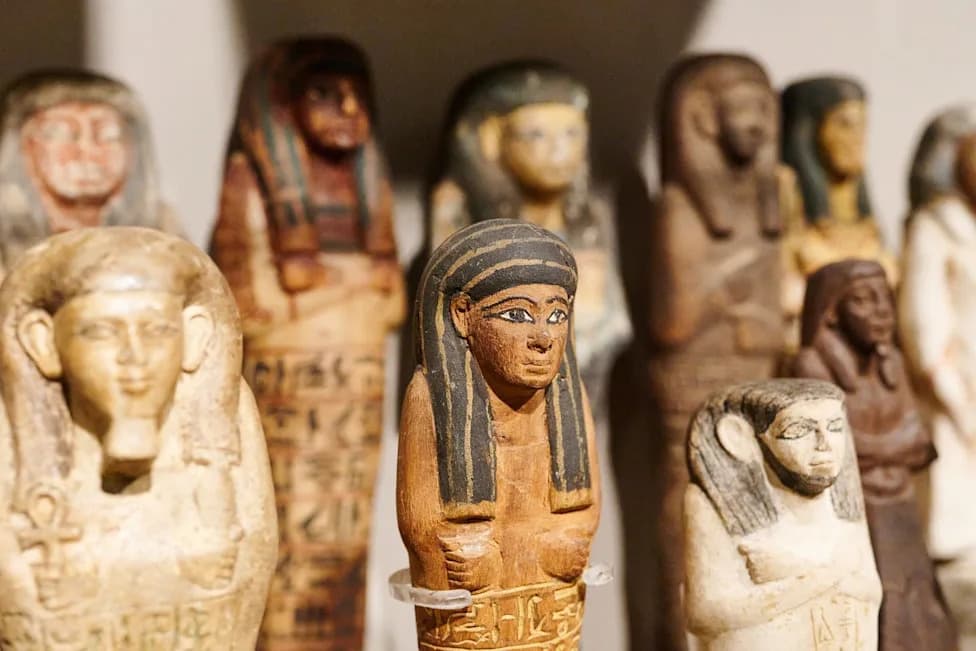
The mission recovered 560 faience ushabti figurines of varying sizes and styles, many modeled in the traditional guise of Osiris; some bear passages copied from the Book of the Dead. Excavators also documented statues and amulets carved from semi‑precious stone, including a finger amulet, an Eye of Horus, a Knot of Isis, and small deity figurines associated with protection, rebirth, and resurrection.
Pottery finds span many centuries of use: plates, jars, storage vessels and two oil lamps. One jar retained residues believed to be mummification materials. Notably, researchers identified a ceramic vessel from the Greek island of Rhodes with the potter’s name stamped on its handle—direct evidence of Mediterranean trade networks.
Architecture and Condition
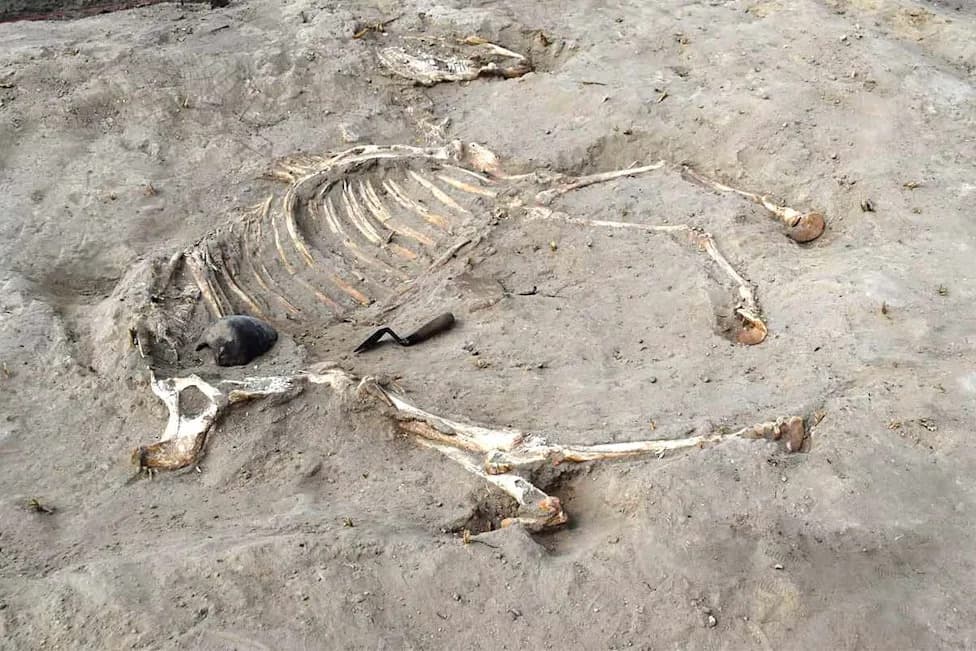
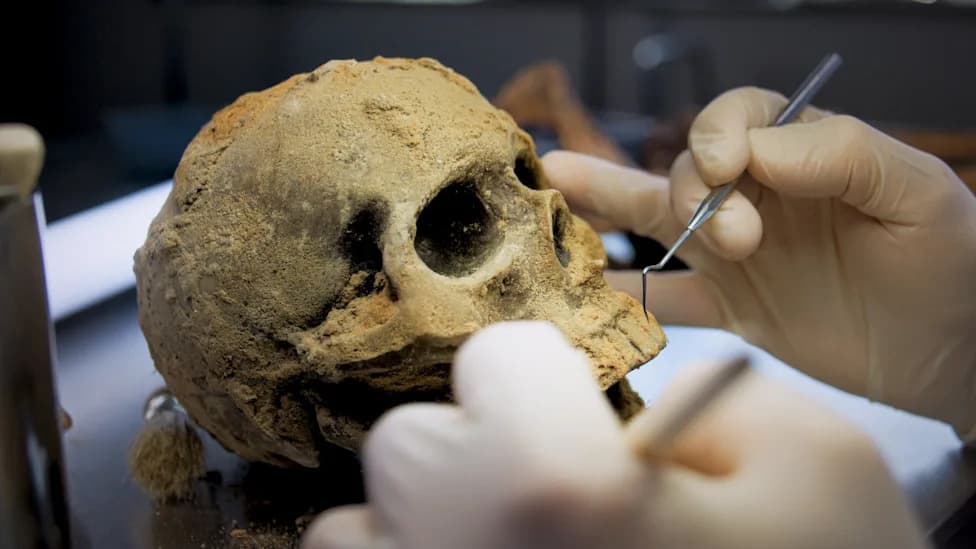
The tomb complex displays an organized architectural plan with a main hall connected to several adjoining rooms. Although many ceilings have collapsed, doorways and internal divisions remained sufficiently intact to reveal multiple inhumations in varying states of preservation and a broad assemblage of grave goods.
An Unexplained Ritual
Among the more puzzling finds were plates placed deliberately under the arm of one individual and another plate set between the deceased’s thighs. Archaeologists consider this a deliberate funerary deposition whose meaning is not yet understood and which invites further study into local mortuary customs.
Why This Matters
Officials and researchers say the Quesna assemblage is significant because it documents non‑royal burial practices across more than a millennium and provides tangible evidence of long‑distance exchange with Mediterranean communities. The combination of large numbers of ushabti, imported pottery, and unique depositional practices makes the site a valuable resource for understanding everyday ritual, economy, and cultural interaction in ancient Egypt.
Source: Egyptian Ministry of Tourism and Antiquities (translated statement) and the Egyptian Supreme Council of Antiquities.
Help us improve.