The Oversight Project released audio of former President Joe Biden speaking with his biographer that includes references to material Biden describes as "classified" and multiple moments of forgetfulness. The tapes show Biden reviewing handwritten vice‑presidential notes, recounting a 2009 memorandum and struggling to recall dates and details — a pattern noted by Special Counsel Robert Hur in 2024. The Heritage Foundation affiliate obtained the recordings after suing the Department of Justice; Biden withdrew legal challenges to their release.
Released Tape Clips Show Biden Referencing 'Classified' Material and Struggling With Memory, Oversight Project Says
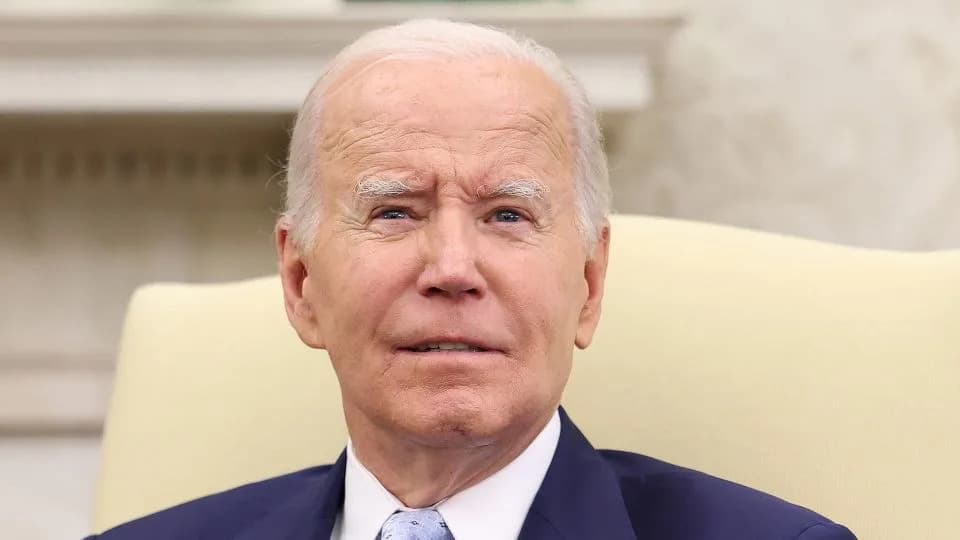
President Joe Biden delivers remarks during a meeting in the Oval Office on October 5, 2023. - Kevin Dietsch/Getty Images/File
Audio recordings published Monday by the conservative Oversight Project capture former President Joe Biden in conversations with his biographer, Mark Lewis Zwonitzer, and include references to material Biden describes as "classified" as well as repeated moments of forgetfulness.
What the Recordings Show
The tapes — released after the Oversight Project, a Heritage Foundation affiliate, successfully sued the Justice Department for access — contain excerpts of Biden reviewing handwritten notes from his years as vice president. In one clip he tells his ghostwriter, "They didn't even know I had this," while displaying papers that the released audio appears to show contain redactions where sensitive information may be present.
In another excerpt, Biden says, "And then — and then the next thing I have here is — this is classified," though the surrounding context is not always audible in the released clips. In a separate passage he recalls finding documents and describes writing a handwritten 40-page memorandum in early 2009 arguing against sending additional troops to Afghanistan, saying he believed deployment would not change the long-term outcome.
Memory Lapses and the Special Counsel Report
Across multiple segments, Biden struggles to recall dates and details while speaking with his biographer — a pattern consistent with findings in former Special Counsel Robert Hur's 2024 report, which described Biden as an elderly man "with a poor memory." Hur declined to bring charges after weighing Biden's cooperation, which suggested unintentional mishandling of material, alongside concerns about how memory issues and age might affect juror perceptions.
Politics, Personnel and the 2016 Decision
The recordings also include candid reflections about internal White House debates. Biden recounts disagreements with then-President Barack Obama over post‑2008 economic policy, saying Obama would "really get pissed" at him for pushing for more aggressive steps on housing and the middle class. He also suggested, in his view, that some administration figures were at least "subconsciously" influenced by Silicon Valley.
On personnel, Biden said Obama backed away from a promise to nominate Larry Summers to the Federal Reserve because Summers was perceived as a liability, referencing past controversies and criticisms that have followed Summers in public life.
The tapes contain a multi‑minute recollection of a lunch with Obama in which Biden says the president told him the decision to run in 2016 was his to make and expressed skepticism that Biden could win the Democratic nomination over Hillary Clinton, calling it "an uphill battle." Biden relayed these details to his ghostwriter days before the 2016 election, on November 3, 2016, but the recordings do not always make clear when other meetings or remarks took place.
Release, Reaction and Legal Context
The Oversight Project said the group "fought tooth and nail to bring these tapes to light" and framed the release as a long‑overdue disclosure. Biden had opposed the tapes' release in court but withdrew his legal challenges on Monday. A White House spokesperson previously called the conversations private material provided to the Department of Justice on the condition they remain confidential and characterized the public release as politicization of the DOJ.
Bottom line: The released recordings add public examples of Biden referencing classified material and of moments where he struggled to recall details — elements that echo the special counsel's findings and shaped decisions about potential prosecution.
Help us improve.