Newly declassified FBI records reveal discrepancies between agents' handwritten notes and the bureau's typed interview report from Michael Flynn's Jan. 24, 2017, White House interview. The differences center on Flynn's answers about asking Russian Ambassador Sergey Kislyak to refrain from retaliatory actions and on how many related calls Flynn recalled making that day. The records agree on the U.N. vote question, but the differing wording on other points has rekindled scrutiny amid related inquiries and a federal grand jury probe.
Newly Declassified Notes Show Discrepancies in FBI Account of Michael Flynn's 2017 Interview
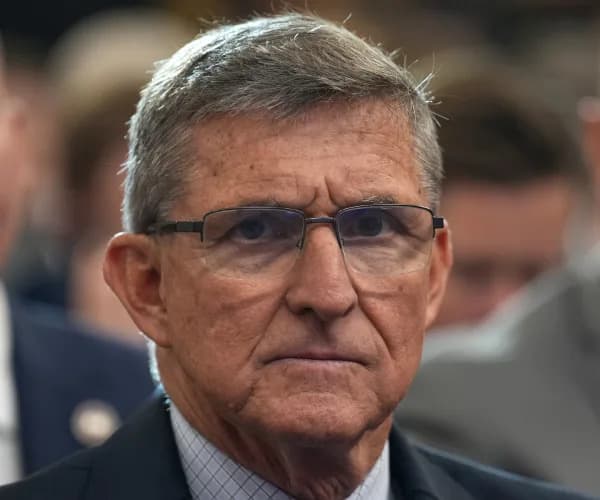
Michael Flynn (Getty)
Newly declassified FBI records released by the White House Government Transparency Task Force reveal notable differences between agents' handwritten notes and the bureau's typed, official interview report of Michael Flynn's Jan. 24, 2017, questioning in the White House.
What the Records Say
The contemporaneous notes, taken by Supervisory Special Agent Joe Pientka and then-Deputy Assistant Director Peter Strzok, were published alongside the FBI's formal interview form, which is stamped "DRAFT DOCUMENT/DELIBERATIVE MATERIAL" and carries a Feb. 15, 2017, entry date while listing Jan. 24 as the draft date.
The documents show the two key areas of divergence concern: (1) whether Flynn told Russian Ambassador Sergey Kislyak not to retaliate for U.S. sanctions and the expulsion of Russian diplomats, and (2) how many calls Flynn remembered making about the matter that day.
On the retaliation/expulsions question: The typed report records Flynn as saying, "Not really. I don't remember. It wasn't 'Don't do anything.'" Pientka's handwritten, contemporaneous notes, however, record the response without that qualifier: "recollection? NOT REALLY. I DON'T REMEMBER. HEY DON'T DO ANYTHING."
On how many calls Flynn made: The typed form states, "FLYNN remembered making four to five calls that day about this issue." Pientka's notes instead reflect Flynn saying he did not remember, adding, "IF I DID LOUSY PLACE TO CALL." Strzok's notes similarly read, "4-5 calls that day? if so, don't remember."
On the related U.N. vote question—the second allegation at the heart of the false-statements charge—the two agents' notes and the typed report are consistent. Both agents documented Flynn denying that he asked Kislyak to vote a particular way or to delay the vote. Strzok's notes summarize the exchange as, "Any vote this way, slow down," followed by, "No."
Aftermath and Context
Flynn pleaded guilty in December 2017 to a single count of making false statements to the FBI. Prosecutors had said he falsely denied asking Ambassador Kislyak to refrain from retaliatory measures after U.S. sanctions and to delay or try to defeat a U.N. Security Council vote on Israeli settlements. The Justice Department later moved to dismiss the case in May 2020, and President Donald Trump pardoned Flynn in November 2020.
The task force released the interview records along with the transcript of former FBI Director James Comey’s December 2018 closed-door testimony before the House Judiciary and Oversight committees; Comey testified that he ordered the Flynn interview to determine why the national security adviser appeared to be providing inconsistent accounts to the vice president.
Separately, a federal grand jury in Fort Pierce, Florida, is examining whether officials in former President Barack Obama's administration coordinated actions against Donald Trump. Comey has been subpoenaed in that inquiry; the Justice Department has declined to comment on the investigation.
Why the Differences Matter
Handwritten, contemporaneous notes are often treated by defense and oversight teams as particularly persuasive because they are recorded immediately. Divergences between those notes and a later typed interview report can raise legitimate questions about how agents summarized an exchange, who drafted the formal report, and whether nuance or qualifiers were added or omitted during transcription. These newly released documents have therefore renewed scrutiny of the interview's record and the broader actions surrounding Flynn's case.
Help us improve.