Plans to build Fujisawa's first mosque have provoked mass protests, online abuse and counter-demonstrations, exposing wider anxieties about immigration and social change in Japan. Muslim community members and local leaders call for dialogue, respect for local norms and more outreach to reduce tensions. Nationally, Japan's Muslim population rose to about 420,000 by end-2024 while foreign residents topped four million in 2025, intensifying debates over immigration policy and identity.
Fujisawa's First Mosque Divides a Town — Protests, Prejudice and Calls for Dialogue
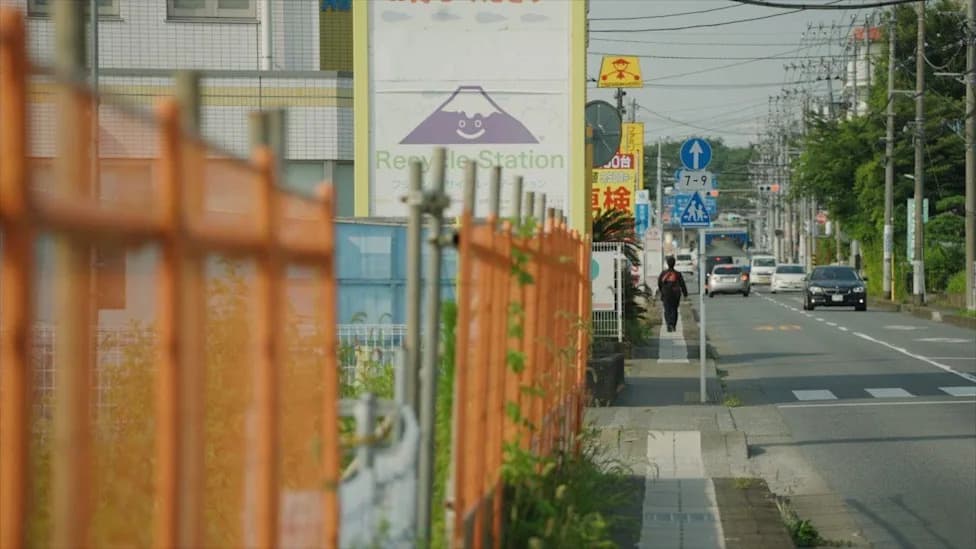
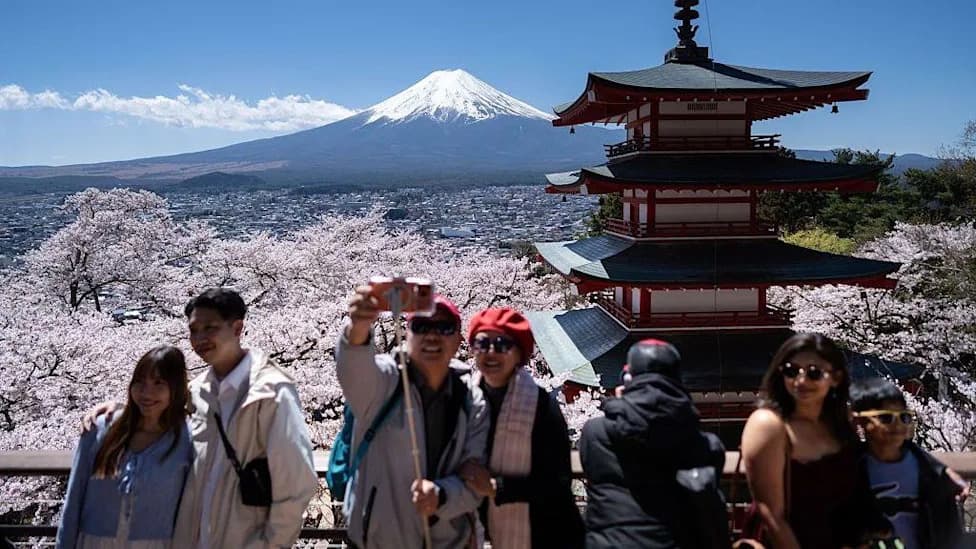
Plans for a new mosque in Fujisawa have sparked a wide range of emotions [BBC]
Today the plot is a field of grass. Soon it will be the site of Fujisawa's first mosque — a proposal that has stirred protests, heated debate and a broader national conversation about immigration, identity and social cohesion in Japan.
Local Tensions and Reactions
Plans to build the Islamic religious centre in the seaside city about an hour south of Tokyo have prompted a wide range of emotions among residents. Long-time local Noriko Izumizawa says, "It makes me worry about how our community might change," a sentiment echoed by others who say the mosque's visibility feeds anxiety about cultural change. Earlier this year thousands gathered at a nearby train station in anti-mosque demonstrations; some protesters argued a mosque larger than a nearby Shinto shrine would be disrespectful to local customs.
Alongside street protests, local media and community groups report a rise in hate speech and misinformation on social platforms. Mosques in several cities have received abusive calls and emails, prompting anti-hate groups to organise counter-demonstrations urging respect and non-violence.
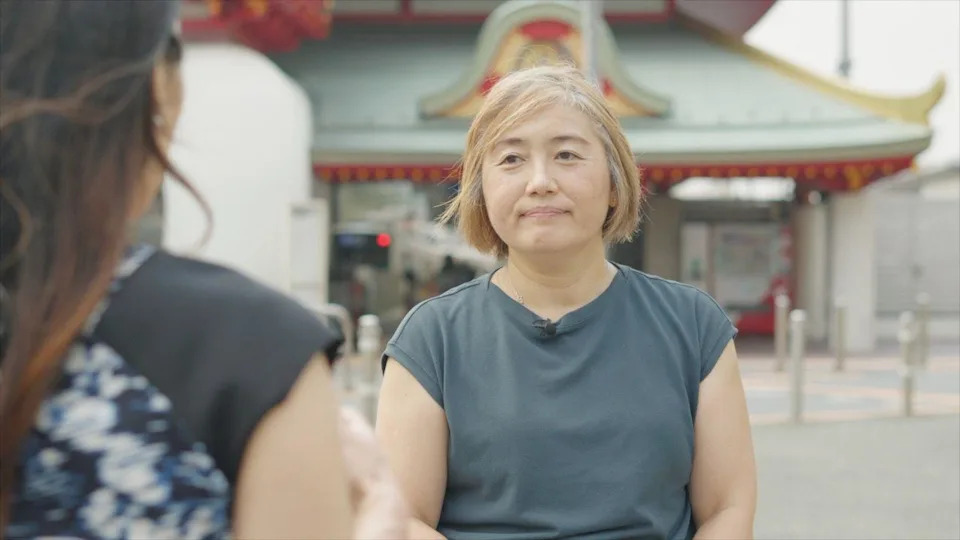
Noriko Izumizawa worries about how the construction of a new mosque in her town could change the local community [BBC]
Voices From the Community
Hiroki Suzuka, who runs a coffee shop opposite the planned site, urges learning and dialogue: "The first step is to learn about them — what Islam is, who these people are, and what values they hold. It starts with an open mind and a desire to understand each other."
"When that happens, the only thing we can do is be patient." — Mohamed Mohideen, long-term resident and mosque community member
Mohamed Mohideen, a Sri Lankan businessman who has lived in Osaka since 1987, described a growing hostility toward Muslims in recent years: online calls to "get out of Japan," visitors to mosques shouting abuse and increased verbal harassment. Still, Mohideen stresses calm engagement: "We stay calm, speak gently, and treat them kindly, because Japanese people generally don't know much about Islam." He also accepts some responsibility for limited outreach in earlier years and says he plans to increase efforts to build local understanding.
Shakeel Mohamed, who represents the Yashio mosque in Saitama and speaks fluent Japanese, emphasises respect for local norms — from waste sorting to obeying traffic rules — and notes that courtesy and small gestures can ease tensions.
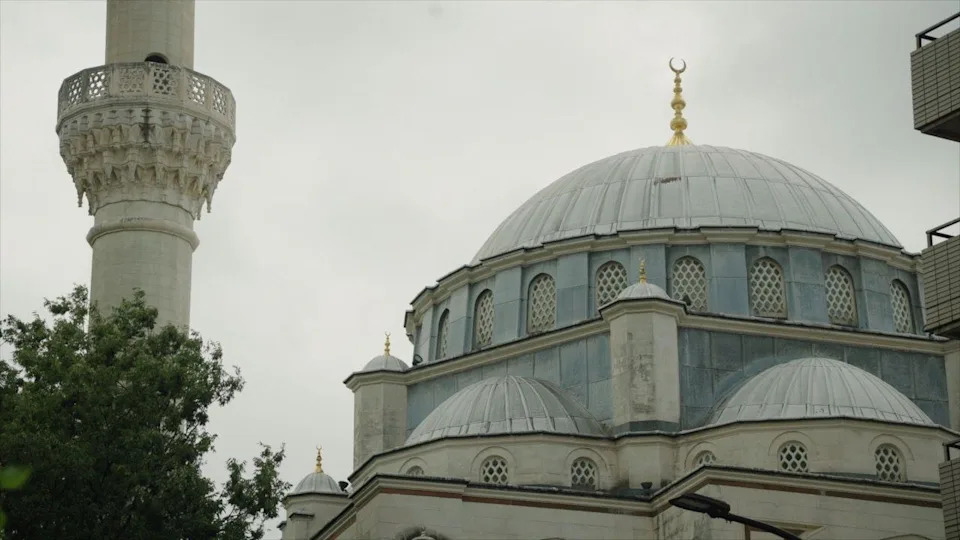
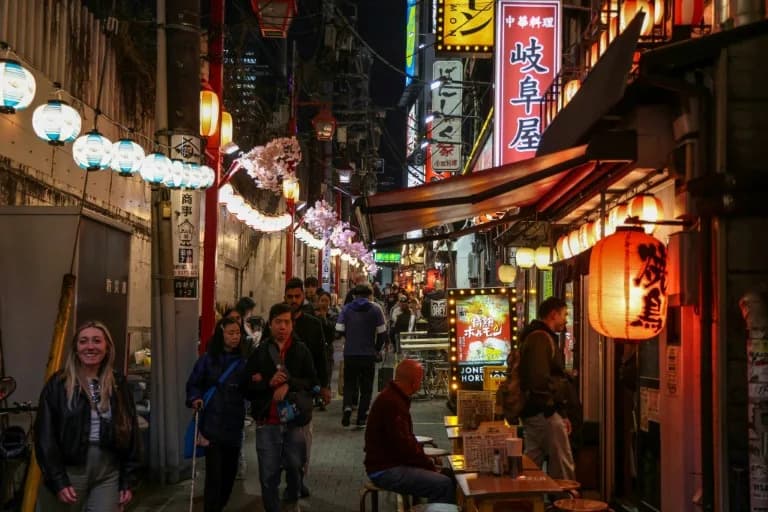
Japan's Muslim population has grown in recent decades and there are a number of mosques in the country [BBC]
National Context: Demographics and Policy
The debate in Fujisawa reflects a wider national shift. Japan's Muslim population — including foreign residents and Japanese converts — was estimated at roughly 420,000 at the end of 2024, up from about 230,000 in 2019, according to Hirofumi Tanada, professor emeritus at Waseda University. Meanwhile, the foreign resident population surpassed four million in 2025, with a record 2.57 million working in Japan as the country's total population declined by nearly one million that year.
Japan's immigration policy remains cautious and politically sensitive. Authorities historically avoided calling the country an immigrant nation and have favoured temporary visa pathways. Critics call the system "stealth" immigration. The government has also taken steps to tighten controls: in June 2026 it raised visa fees substantially and plans to add around 230 staff to the Immigration Services Agency to strengthen enforcement.
Finding a Way Forward
The Fujisawa debate raises a central question for Japan: can the country become more diverse while preserving the social cohesion and identity it values? Community leaders on both sides emphasise the need for dialogue. Local residents who feel uncertain often also acknowledge they have little direct experience with Muslim neighbours — as Izumizawa admits, "maybe I just fear the unknown."
Efforts by mosque representatives to comply with local rules and to engage residents — together with community outreach, education and organized dialogue — are offered by many involved as the most constructive path to reduce fear and build mutual understanding.
Additional reporting by Chie Kobayashi.
Help us improve.