Japan has raised the permanent residency application fee to ¥200,000 (≈$1,270) and added new income, pension and Japanese-language requirements. The changes are part of Prime Minister Sanae Takaichi's package of immigration reforms and follow a separate five-fold visa fee increase in July. Long queues formed at immigration offices as applicants rushed to file under the old rules. From April, applicants will face a basic Japanese language requirement and stricter pension-related criteria.
Japan Hikes Permanent Residency Fee 20-Fold and Tightens Income, Pension and Language Rules

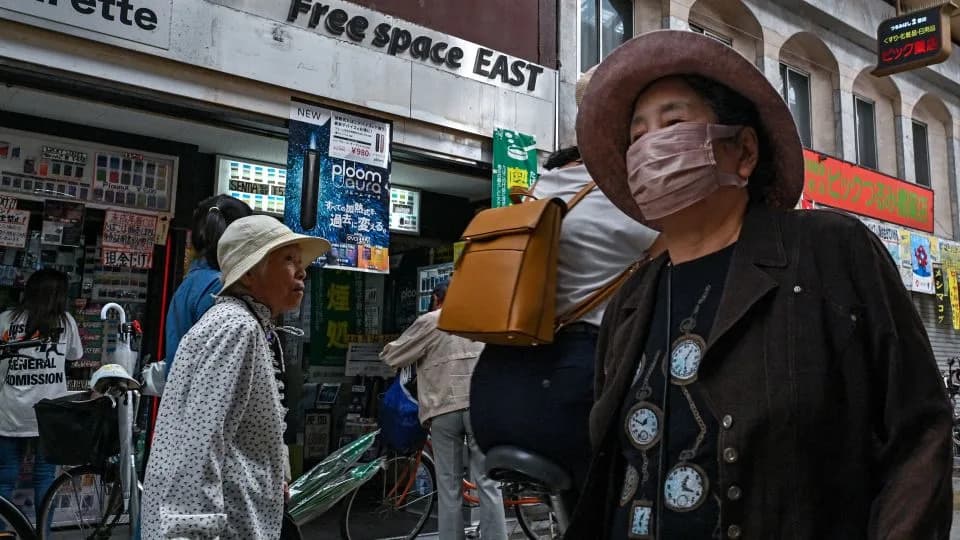
The hikes are part of immigration policy changes introduced to manage Japan's growing foreign population [Getty Images]
Japan has sharply raised the application fee for permanent residency twentyfold to ¥200,000 (about $1,270; £955) and introduced stricter eligibility requirements, including new income, pension and Japanese-language criteria. The changes, part of a wider set of immigration measures under Prime Minister Sanae Takaichi, have prompted long queues at immigration offices and a surge in interest in language study.
What Changed
Key elements of the reform include:
- Permanent residency fee: Increased to ¥200,000 for permanent residency applications.
- Status-change/extension fees: From 1 October, fees now vary by length of stay sought — from ¥10,000 for three months or less up to ¥75,000 for five years or more (previously ¥6,000 per application).
- Income requirement: Aspiring permanent residents must show a stable income at or above the national average household income (¥5.75 million, 2024 figures).
- Pension requirement: Applicants’ expected pension benefits should be equivalent to those of someone enrolled in the employee pension system for 30 years; shortfalls may be offset by demonstrated financial assets.
- Language requirement: From April next year, applicants will need to demonstrate basic Japanese-language proficiency; interest in Japanese study and JLPT registrations have already risen.
- Exemptions and discounts: Reduced fees or exemptions may apply for applicants facing financial hardship and for people recognised as refugees.
Context And Reaction
The fee increase follows a separate five-fold rise in visa application fees in July — Tokyo's first visa fee hike in 50 years — which the government said was intended to reflect inflation and exchange-rate shifts. Takaichi has made tighter immigration management a priority since becoming prime minister in October last year, citing concerns about orderly policy and social stability as the foreign resident population grows.
Japan's foreign resident population surpassed 4.12 million at the end of 2025, a record 9.5% increase from the previous year. At the same time, Japan's ageing population and labour shortages have increased reliance on foreign workers, making immigration policy both economically important and politically sensitive.
In an X post days before the fee hike, Prime Minister Sanae Takaichi said the government recognises some public "concern or unfairness" as foreign resident numbers grow and is working to ensure policies are orderly so "both Japanese citizens and foreign residents can live safely and securely."
Long lines formed outside immigration centres in the days before the fee rise took effect, with Tokyo’s main immigration bureau reporting wait times exceeding seven hours. Prospective applicant Micaiah Stevens, a 37-year-old who has lived in Tokyo for a decade, told the BBC he was unable to file before the deadline and criticised the new rules as placing higher burdens on foreigners.
"We're being asked to earn more than the average Japanese person and to pay a substantially higher fee just to work, pay taxes and live here," Stevens said. "There are already language and cultural barriers that deter talent; this doesn't feel like a long-term plan."
What This Means For Applicants
Prospective applicants should:
- Review the new fee schedule and prepare for the higher permanent-residency charge.
- Prepare documentation that demonstrates stable income at or above the national average or evidence of sufficient financial assets to offset pension shortfalls.
- Enroll in Japanese-language courses and consider taking the JLPT if aiming to apply from April or later.
- Check eligibility for discounted fees if facing financial hardship or if recognised as refugees.
The measures are likely to slow some applications in the short term but could prompt more targeted applications from higher-earning residents and those with better language skills. Observers say the policy reflects balancing economic needs for foreign labour with political pressures to manage social change.
Help us improve.