Telehealth centres set up by ZimSmart Villages, NetOne and Zimpost are bringing digital medical consultations to remote parts of Zimbabwe, reducing the need for costly travel. By 2026 the network had 28 centres and delivered more than 28,000 virtual consultations and about 25,000 diagnostic tests using Starlink and battery backup. Patients have been diagnosed and started on treatment for conditions such as hypertension and diabetes, while the programme improves screening and chronic-care follow-up though specialist capacity remains limited.
Telehealth Bridges Zimbabwe’s Rural Healthcare Gap: How 28 Centres Are Bringing Doctors Closer
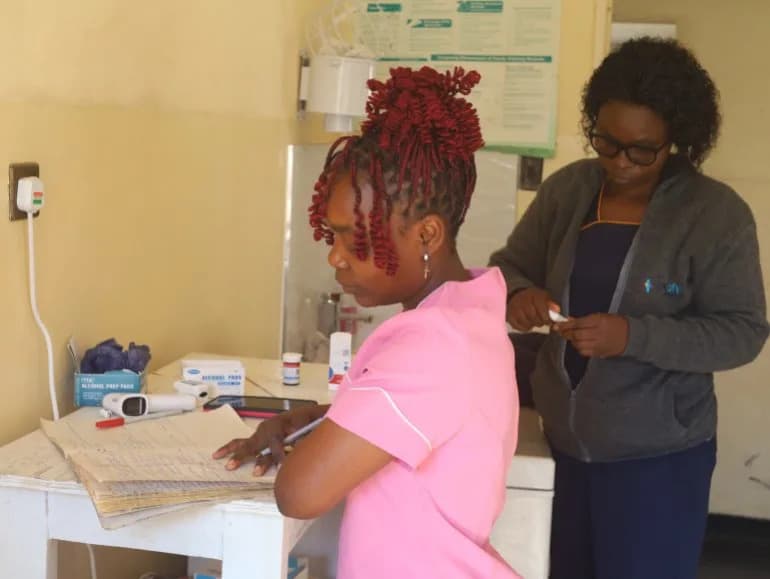
A health worker assisting patients in a telehealth centre in Nyazura [Farai Shawn Matiashe/Al Jazeera]
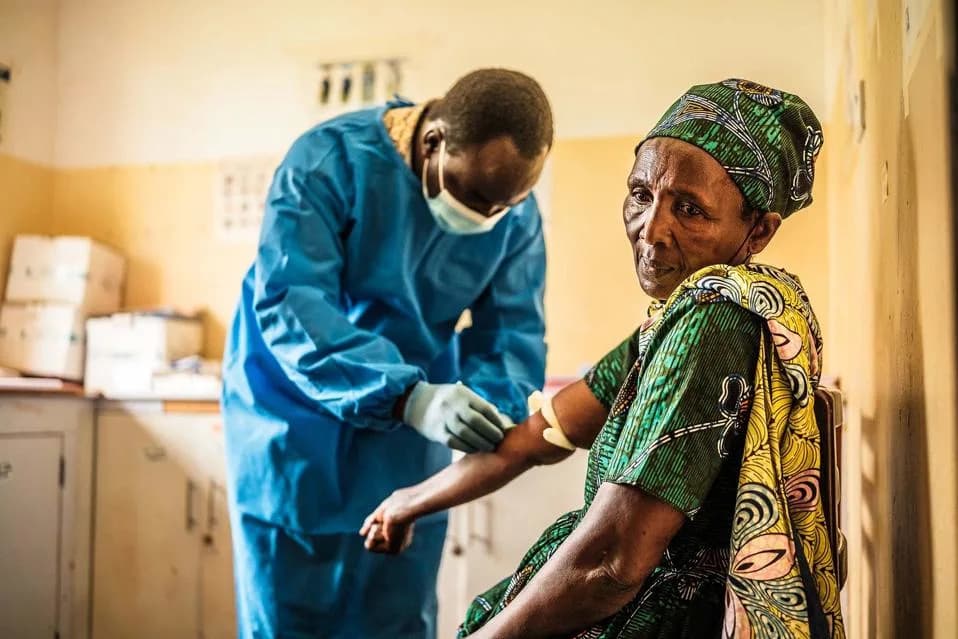
Bright fluorescent lights pick out polished floors as 38-year-old farmer Anymore Kadzunge returns for a routine check at a telehealth centre in Nyazura that helped diagnose a condition she had suffered for months.
A nurse straps a blood pressure cuff to her arm and the device quickly registers a reading. Only months earlier she had been too unwell to tend her fields or cook for her family. After three months of chest pains and dizziness, she walked 14 km (8.7 miles) from her village of Chimbondi to seek care.
At the centre a nurse found her blood pressure was dangerously high and connected her to a doctor via video consultation. She was diagnosed with hypertension, prescribed medication and saw improvements within days.
Bringing Care Closer
The telehealth programme was launched in 2024 by ZimSmart Villages in partnership with NetOne (the state telecom operator) and Zimbabwe Posts (Zimpost). It creates digital health access points embedded in existing post office infrastructure to reduce costly travel for rural patients.
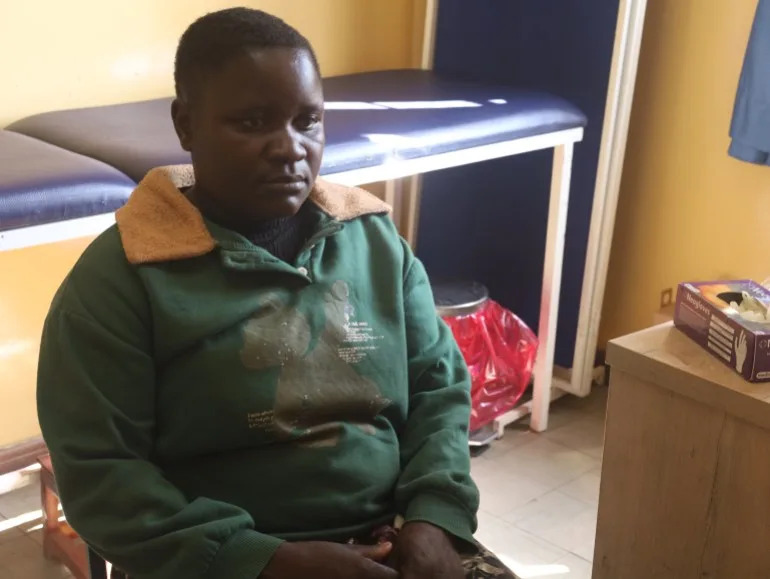
Proud Chimene in a telehealth centre in Nyazura [Farai Shawn Matiashe/Al Jazeera]
By 2026 the initiative had opened 28 telehealth centres across seven of Zimbabwe’s 10 provinces and delivered more than 28,000 virtual consultations, including roughly 25,000 diagnostic tests.
How the Centres Work
At the Nyazura centre, registered nurse Noreen Chimanya records vital signs—blood pressure, blood glucose and temperature—then arranges video consultations with doctors. Nurses can dispense prescribed medicines and refer severe cases to hospitals. The centres use Starlink satellite internet and backup lithium batteries to keep services running during frequent power cuts.
“When we opened in May 2024, telemedicine was something completely new in this community,” Chimanya told Al Jazeera. “People were used to being examined in person. Building trust took months of outreach.”
Community outreach has been central: staff visit neighbouring villages to explain virtual consultations, how they work and why they are safe. Patients also appreciate shorter waits compared with busy public clinics.
Real Impact For Patients
For many rural residents, the nearest urban clinics are far. Without Nyazura, Kadzunge would face a 22 km (13.7-mile) trip to Rusape or a 70 km (43-mile) trip to Mutare. Ambulances are scarce in many districts, and some families still transport the sick in ox-drawn scotch carts.
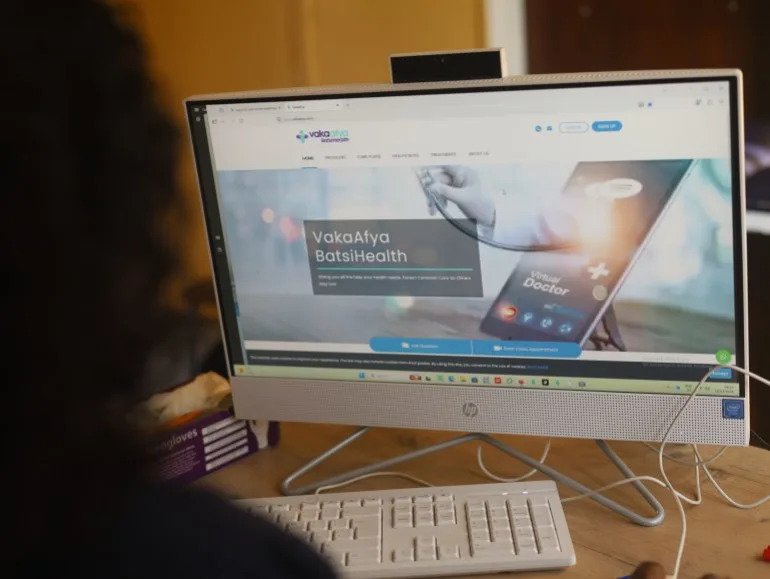
A platform used by patients to consult doctors online in Nyazura [Farai Shawn Matiashe/Al Jazeera]
Vendor Proud Chimene is another patient helped by the centre. After unexplained weight loss, extreme thirst and fatigue, a nurse found her blood glucose was high. After a video consultation she received an IV drip and medication and was diagnosed with diabetes. She says affordable local care made her seek treatment earlier than she otherwise would have.
Costs, Capacity And Limits
Consultation fees at the centres range from $2 to $10, compared with $15–$20 at many private clinics, lowering financial barriers for rural households. The programme also stores digital health records and enables follow-up consultations, improving management of chronic conditions like hypertension and diabetes.
However, telehealth does not replace all services. Specialist care—particularly for eye health, mental health and complex chronic disease management—remains limited across Zimbabwe. Programme cofounder Tawanda Njerere says partnerships with specialist providers help but systemic capacity constraints persist.
Zimbabwe had 1.7 doctors per 10,000 people in 2022, below Africa’s average of 2.6, underlining a broader shortage of medical staff that telehealth helps to mitigate but cannot fully solve.
Looking Ahead
The telehealth centres demonstrate how digital tools, local outreach and reliable connectivity can expand access to basic and chronic-care services in remote communities. While specialist services still require strengthened referral networks and on-the-ground capacity, patients like Kadzunge and Chimene show how timely, affordable care can restore health and livelihoods.
“I am healthy again,” Kadzunge said. “Now I can go to the farm without scaring my family.”
Help us improve.