Key Points: The Gandab Kharoti clinic near Tora Bora is down to a single midwife after international funding cuts and staff departures, leaving 11,200 people across 13 communities with minimal maternity care. Travel barriers, a ban on women's medical training and shrinking donor support have increased the risk to mothers and newborns; local data show sharp rises in neonatal and perinatal mortality in parts of Nangarhar. Restoring full primary healthcare at the clinic would cost about $5,000 a month, but without new donors the service may close entirely.
Beneath Tora Bora: The Last Midwife Struggling As Aid Dries Up
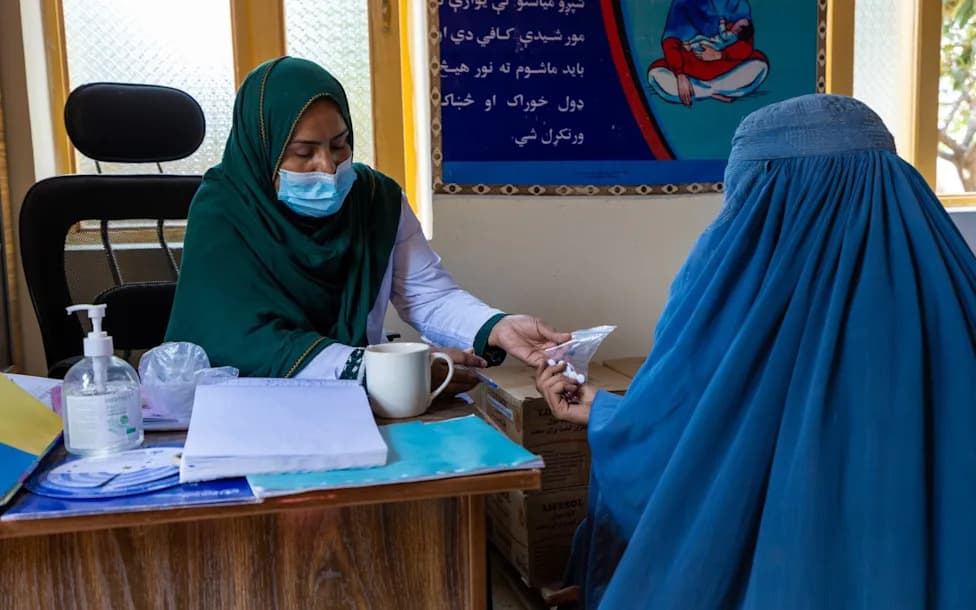
Shila Ibrahimi is the last medical professional left at the Gandab Kharoti health centre - Abdul Khaliq Sediqi/IRC
Beneath the rocky ridges of Tora Bora in eastern Afghanistan, a small clinic fights to keep basic maternity care alive. Once supported by a full medical team and international funding, the Gandab Kharoti health centre now relies on a single midwife, leaving thousands of women and infants vulnerable.
The clinic and its patients
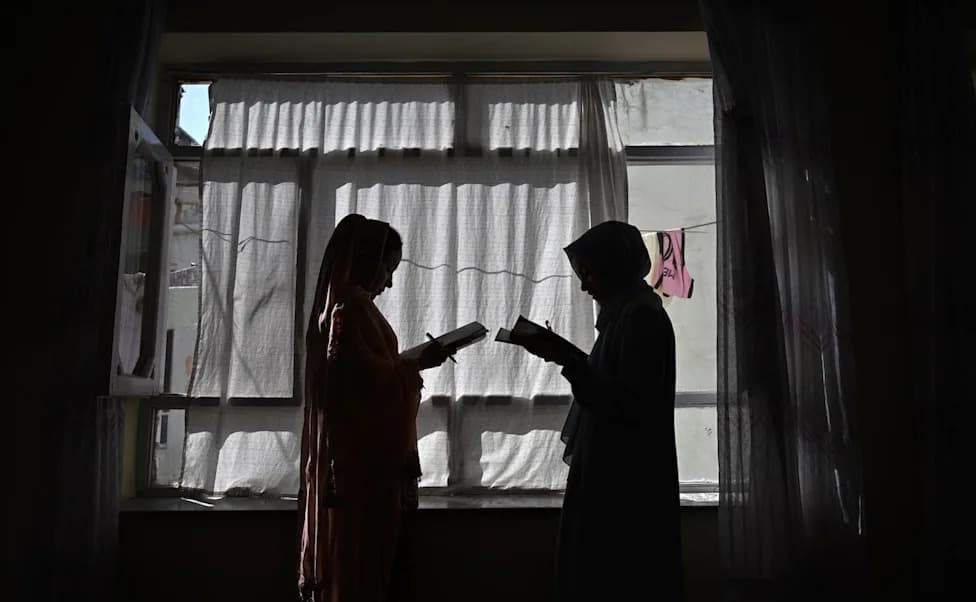
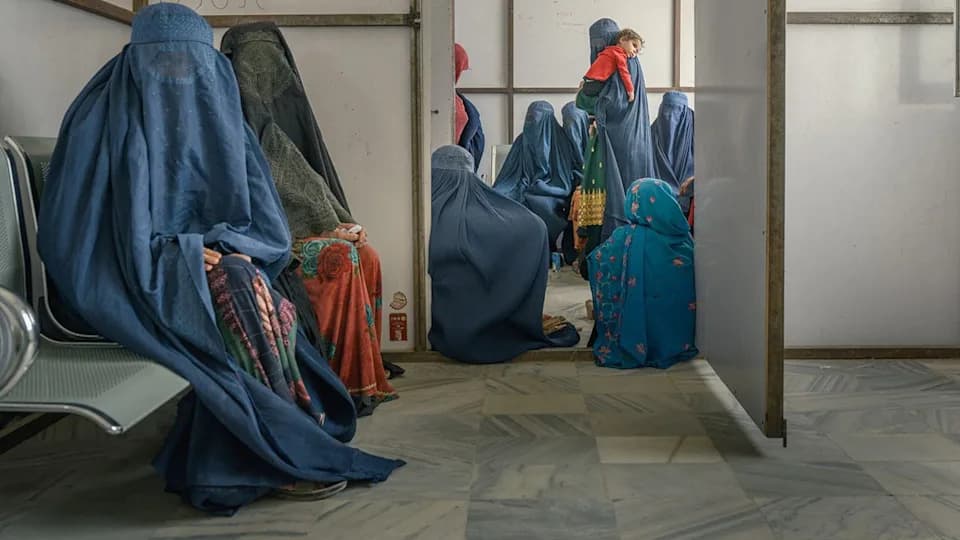
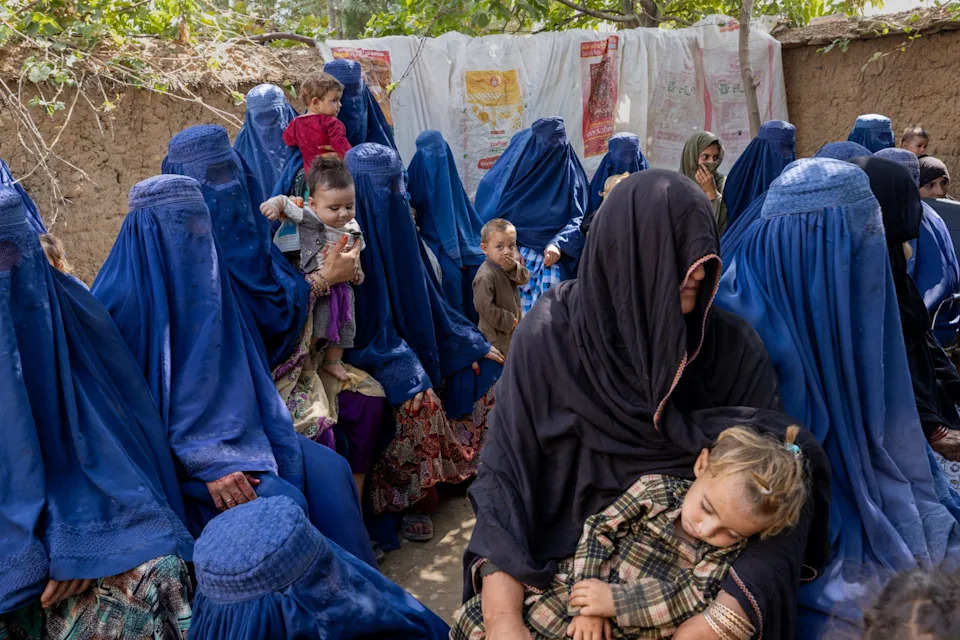
Dozens of women — wrapped in sapphire-blue burqas — sit in the sun-baked courtyard of Gandab Kharoti waiting to be seen by 27-year-old midwife Shila Ibrahimi. Many have walked for hours across rough mountain tracks. Until last year the clinic had nine staff serving roughly 11,200 people across 13 communities and averaged about 1,573 patient visits per month.
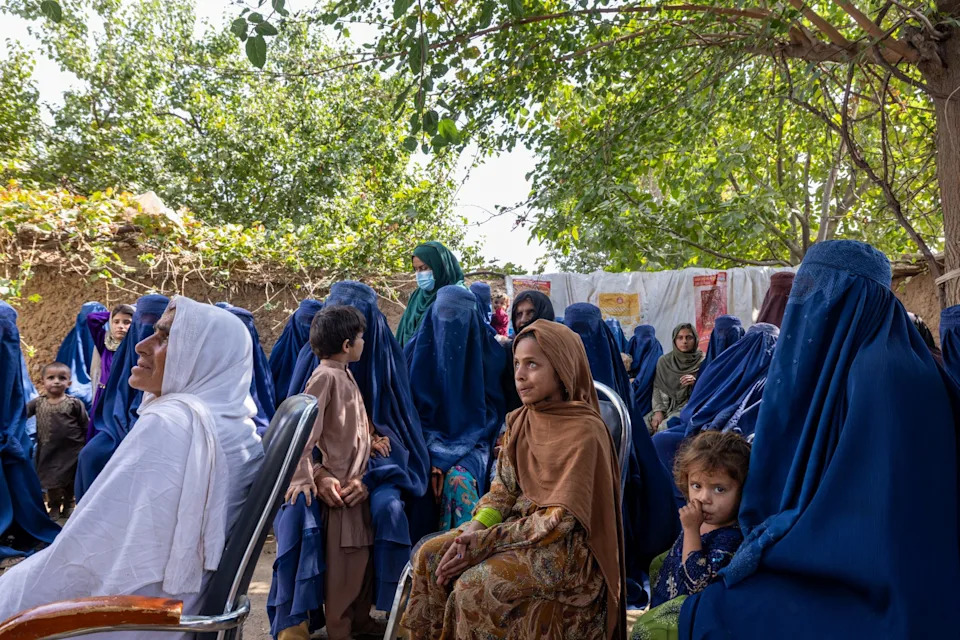
Dozens of women wait in the courtyard of Gandab Kharoti health centre midwife Shila Ibrahimi - Abdul Khaliq Sediqi/IRC
Today Shila is the only remaining medical professional. She provides antenatal and postnatal care, family planning and assistance with uncomplicated deliveries. The delivery room is tidy but basic: white tiled floors, a metal delivery chair, an oxygen cylinder and a modest supply cabinet. There is no ultrasound, no operating theatre and no reliable ambulance.
Referrals, distances and deadly delays
When a pregnancy becomes complicated Shila must try to refer patients to a clinic or hospital a 40-minute drive away — if transport is available. Mountain roads are often single-track, cratered and slow; in emergencies a driver may take hours to reach a village. Many families lack the money for transport.
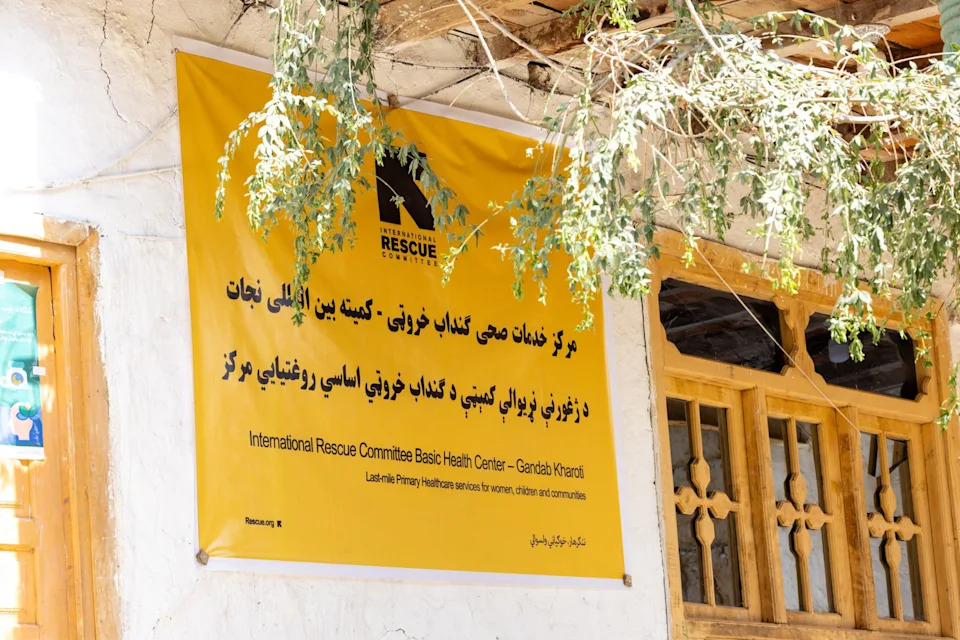
An International Rescue Committee health facility in Nangarhar - Abdul Khaliq Sediqi/IRC
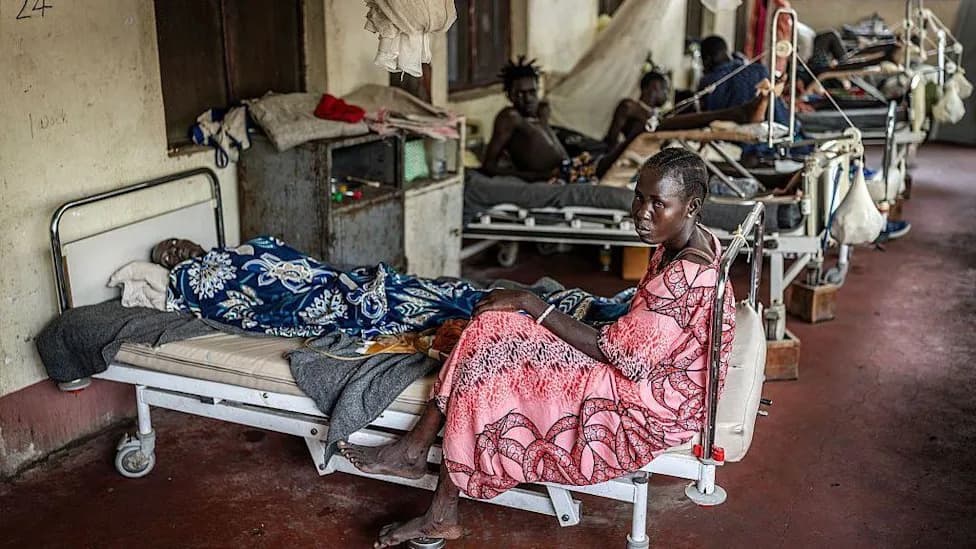
At the 100-bed Naib Aminullah Khan Logari Provincial Hospital, the malnutrition ward was full when visitors arrived: a nine-month-old weighing about four kilograms lay on a metal bed beside his mother, who drove two hours because there was nowhere closer to treat him. Shortages have forced that hospital to pause nutritional supplements for pregnant and breastfeeding women and to prioritise only the most severely malnourished children.
Funding cuts and the human cost
The clinic's decline followed steep reductions in donor funding. International NGOs and local hospitals in Afghanistan remain heavily dependent on foreign grants; when that money falls away, essential services shrink. The International Rescue Committee (IRC) used reserves to prevent Gandab Kharoti closing completely, but the service is now skeletal and at risk of shutting altogether without new donors.
The clinic provides antenatal and postnatal care, family planning and help with uncomplicated deliveries - Abdul Khaliq Sediqi/IRC
Field reporting and independent surveys suggest the funding cuts have had measurable effects. A survey by Refugees International of 555 healthcare workers across 30 provinces — nearly 70% of them midwives — found that more than two-thirds lost their jobs after funding reductions. Local data from Nangarhar indicate neonatal mortality across six district hospitals rose by nearly 60% in 2025, while perinatal mortality increased by more than 28%.
Barriers beyond money
Funding is only part of the challenge. In December 2024 the Taliban barred women from medical training institutes, halting the education of future nurses and midwives. Conservative norms and restrictions that limit women’s contact with male health workers mean female caregivers are essential for maternal health; stopping their training jeopardises care for years to come.
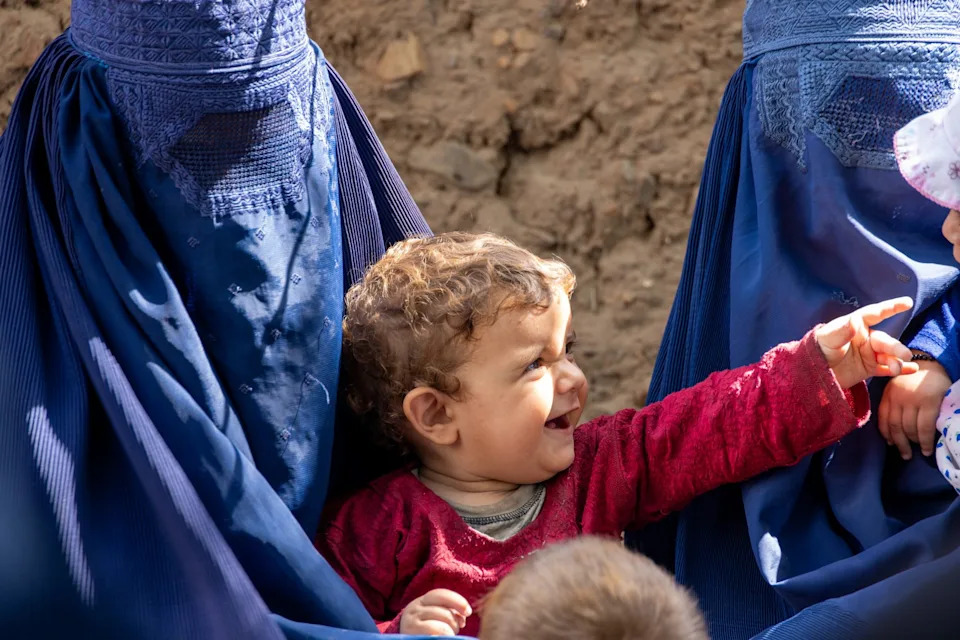
A malnutrition ward at another hospital was teeming with mothers and babies - Abdul Khaliq Sediqi/IRC
The Taliban’s morality rules also restrict unaccompanied travel for women. UN monitors have documented instances where women were denied treatment without a male guardian, though enforcement varies by location.
Personal stories
Shila tells of a 20-year-old pregnant woman who, ten days before our visit, sought help first at a local pharmacy. Ashamed to speak about her symptoms to the male attendant, the woman received the wrong medicine and later arrived at the clinic haemorrhaging. The baby survived; the mother did not. Shila says such cases are becoming more common: "They are going to pharmacies and they are getting the wrong medicine."
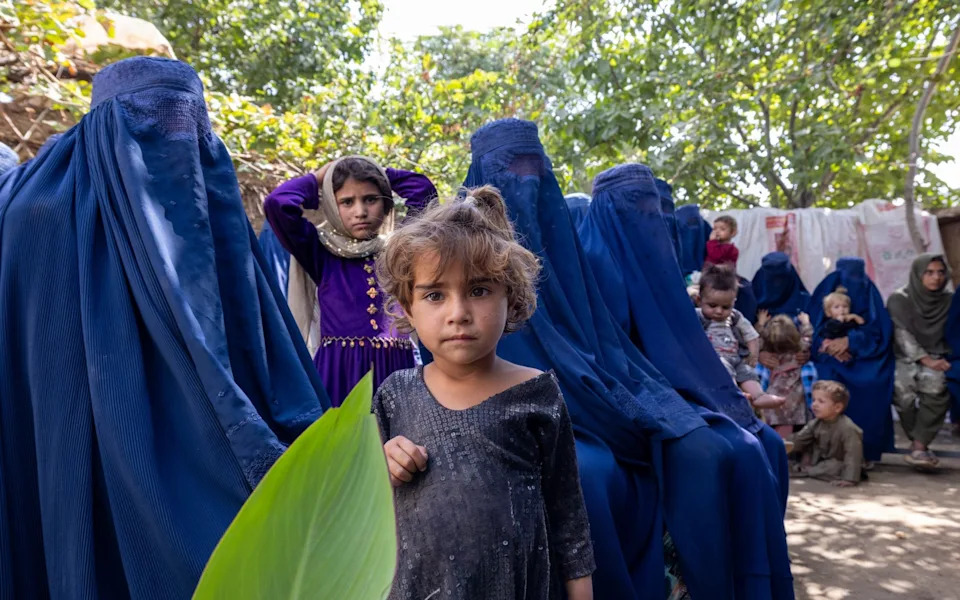
Five IRC-supported basic health centres across Nangarhar have closed or reduced services following funding cuts - Abdul Khaliq Sediqi/IRC
Shila lives close to the clinic but must travel with her husband under local rules, increasing her family's costs. The IRC previously paid a small guardian allowance (about 450 Afghanis, roughly £5 a day) that has since stopped. Her contracted hours are 8am–4pm, but she returns for night deliveries, visits patients at home and sometimes uses her own salary to buy medicines.
What it would take to restore services
The IRC estimates that restoring a full package of primary healthcare at Gandab Kharoti would cost about $5,000 a month. Five IRC-supported basic health centres across Nangarhar serving an estimated 82,400 people have already closed or cut services after funding reductions.
Disputed attributions and accountability
The original reporting included claims that some high-profile figures defended funding cuts and denied any deaths resulted from them. Public statements by some officials and commentators have asserted there was no evidence of deaths caused by the cuts; however, independent surveys and local hospital data point to deteriorating outcomes. Attributions of responsibility to specific individuals or organisations in some versions of the story have been inconsistent and are contested.
Looking ahead
Shila worries about the next generation: the girls who might have trained as midwives, and her own future children who could lose access to care. "My mental health is very bad because I am so worried about this community," she says. "What will happen after me, to my kids?"
The clinic's buildings and basic equipment remain, but without renewed funding and without a pipeline of trained female health workers, the fragile gains of the past two decades are at risk of being erased.
Help us improve.