Public sentiment toward AI is souring: 40% of U.S. adults say AI will harm society and 31% expect personal negative impacts over 20 years. Opposition now targets physical infrastructure — about 75% oppose hyperscale data centers nearby — and protests have spread nationwide, with one day seeing 142 demonstrations across 42 states. Activists are also disrupting AI-enabled surveillance and pushing back on police drone programs.
AI Backlash Escalates: Public Trust Collapses as Protests Target Data Centers and Surveillance

Getty Images / Westend61
The tech companies driving the AI surge are facing a growing and organized public backlash as communities push back against both the technology and the infrastructure that supports it.
Why the Backlash?
Recent high-profile commercials from firms like Meta and Anthropic — promising an inclusive future and resilience in hard questions — have failed to counter mounting public concern. People increasingly cite broad costs associated with AI: inflationary pressures, pollution and resource use from hyperscale data centers, fears of job displacement, and mental-health impacts tied to new technologies. There have also been reports of AI tools being misused in violent incidents abroad, which further erodes public confidence.
What The Data Shows
Survey evidence underscores the shift in sentiment. Pew Research finds that 40% of U.S. adults expect AI will have a negative effect on society overall, while just 16% anticipate a positive impact. Meanwhile, 31% of respondents believe AI will have negative consequences for them personally over the next 20 years.
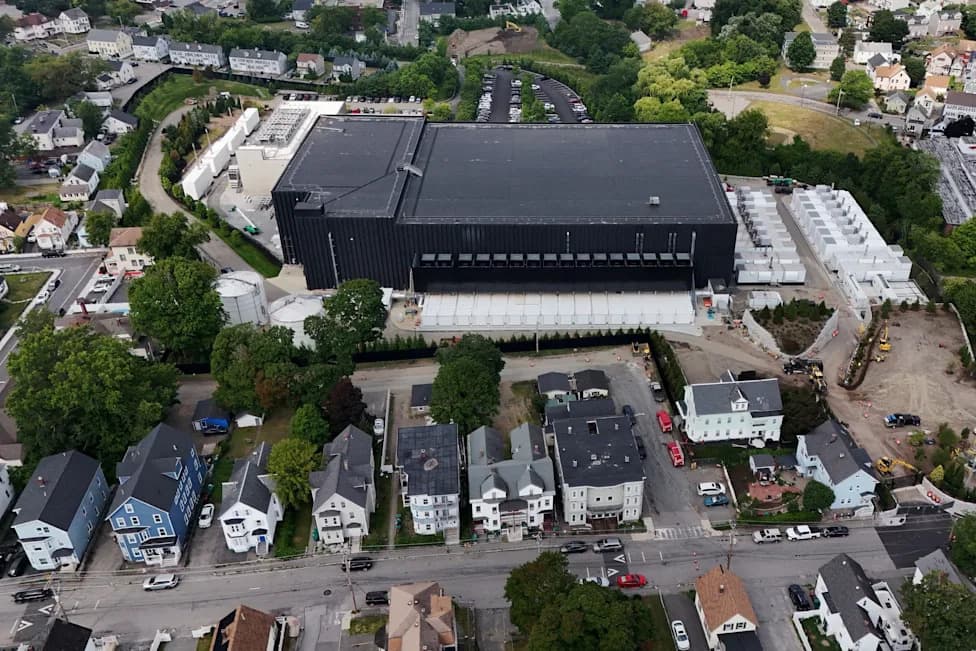
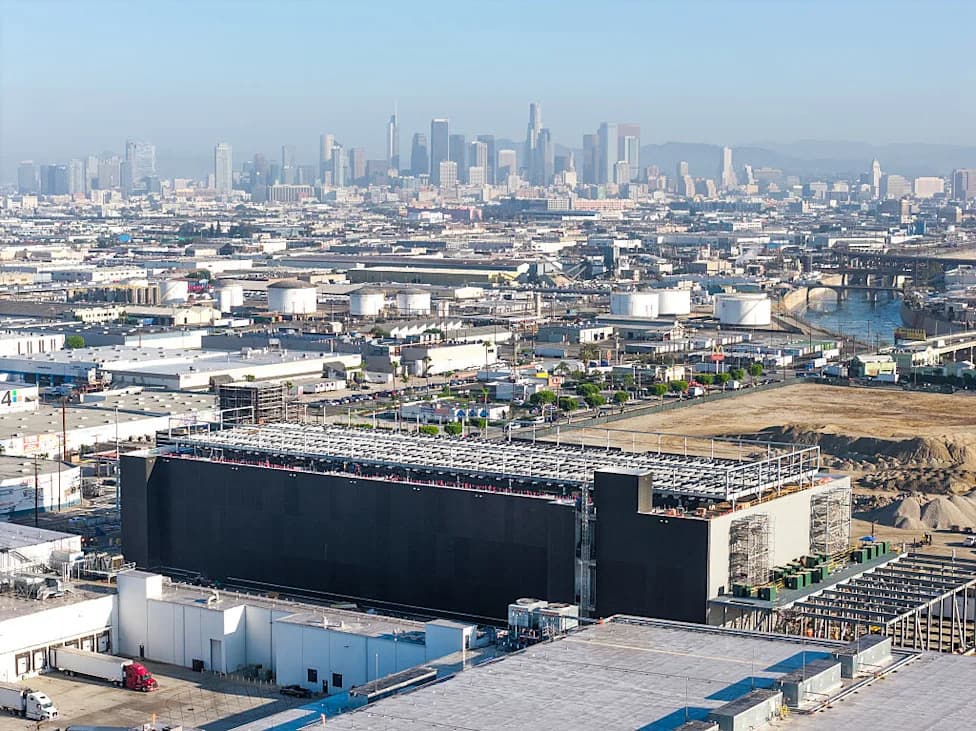
Resistance is not limited to abstract fears: a Gallup poll cited by Business Insider reports that roughly three-quarters of U.S. adults oppose hyperscale data centers being built near where they live. Local governments and developers are frequently confronting loud, organized opposition over land use and community impacts.
On the Ground: Protests and Direct Action
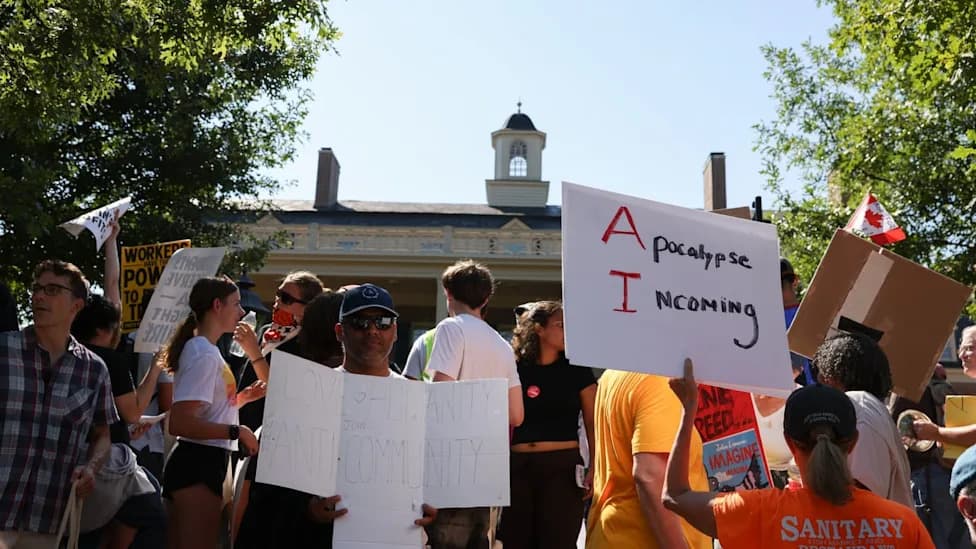
Protests targeting AI companies and projects have proliferated nationwide. Time reported 142 demonstrations across 42 states in a single day, illustrating how widely distributed the unrest is. Beyond marches and rallies, decentralized activist networks have targeted AI-enabled surveillance infrastructure: instances of cameras being disabled, hacked, or otherwise sabotaged have been reported, and community organizers in cities like Minneapolis have successfully pushed back against ambitious police drone programs and other surveillance initiatives.
What This Means For Tech Leaders
Cosmetic PR campaigns are unlikely to repair deep-seated distrust. Regaining public trust will require concrete changes: transparent impact assessments, stricter privacy and safety safeguards, meaningful community engagement, environmental mitigation for data centers, and credible commitments to workforce transition and mental-health support. Without substantive policy and operational shifts, opposition to both AI systems and their physical infrastructure is likely to intensify.
Bottom line: The debate is no longer only about algorithms — it's about real-world costs, accountability, and who gets to decide how AI is deployed in communities.
Help us improve.