California's MyFirstEV program offers a $3,500 point-of-sale rebate for first-time purchases or leases of new EVs priced at $50,000 or less, and a $1,750 rebate for used EVs under $25,000. The $270 million initiative is funded equally by the state and participating automakers and delivers discounts at the dealership. Applicants must attest they have not previously owned an EV, and eligibility can be verified via DMV records. Analysts caution the funds may be spent within a year given strong demand.
California Launches MyFirstEV: $3,500 Point‑of‑Sale Rebate for First‑Time EV Buyers
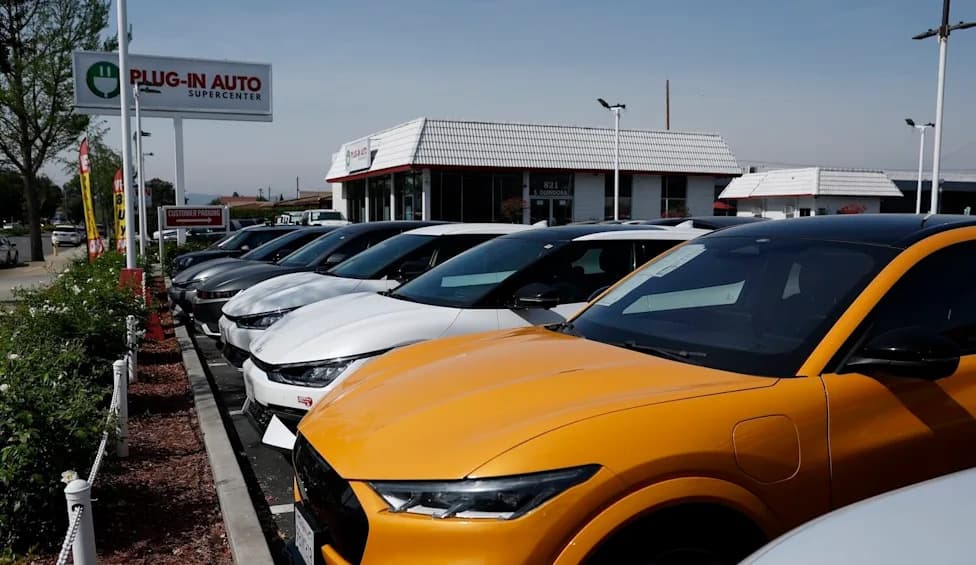
California to offer a novel $3,500 rebate for first-time EV buyers
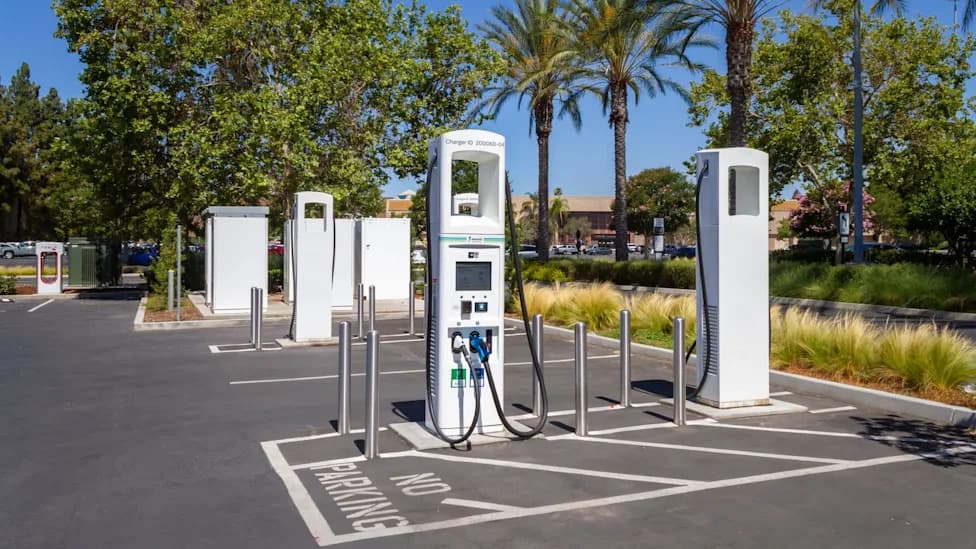
California has launched MyFirstEV, a new incentive program designed to accelerate electric vehicle adoption by targeting people who have never owned an EV. The statewide initiative pairs public funding with automaker contributions and delivers rebates at the point of sale to reduce upfront cost barriers for new buyers.
What the Program Offers
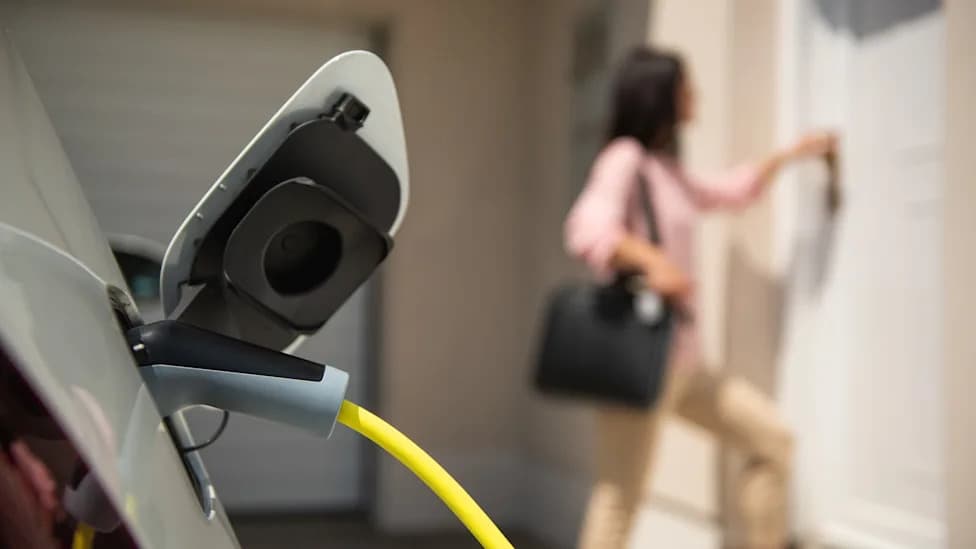
MyFirstEV provides a $3,500 point-of-sale rebate for a first-time purchase or lease of a new electric vehicle with a retail price of $50,000 or less. It also offers a $1,750 rebate for used EV purchases priced at $25,000 or below. Rebates are applied immediately at purchase rather than as later tax credits.
Funding and Partners
The program is funded with $270 million: $135 million from the state budget and $135 million in matching contributions from participating automakers. Companies that signed on include Ford, General Motors, Honda, Hyundai, Kia, Lucid, Mitsubishi, Nissan, Rivian, Subaru, Tesla, Toyota, and Volvo. The $50,000 cap on eligible new vehicles is waived for cars produced by companies headquartered in California, including Lucid and Rivian.
Why Focus On First‑Time Buyers?
Policymakers and researchers argue that concentrating scarce incentives on first-time EV buyers maximizes long-term adoption. Survey and analysis cited in program planning show that most EV owners remain likely to buy another EV: J.D. Power found that roughly 96% of U.S. EV owners would consider purchasing or leasing another EV, and Plug In America reports that concerns about range and charging decline after drivers gain EV experience.
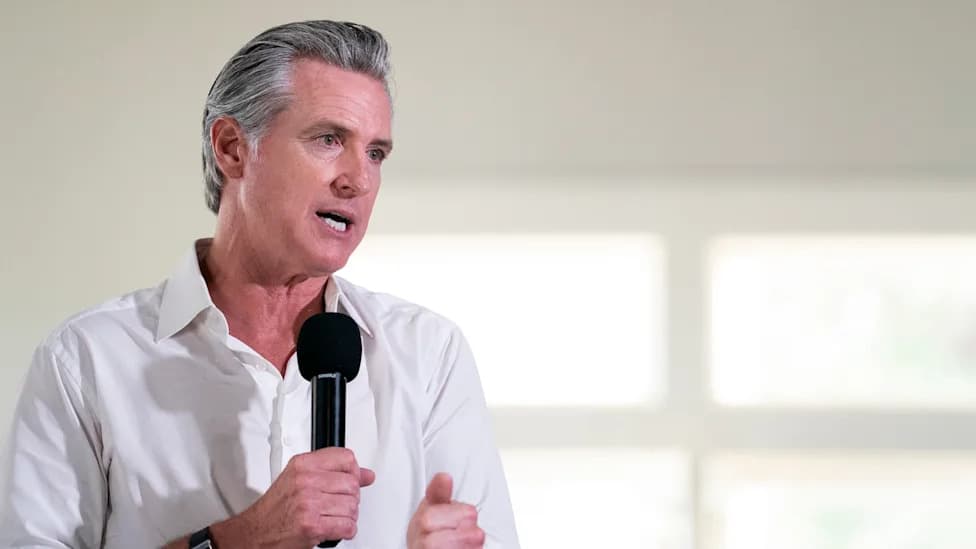
"By focusing scarce state funds on first-time EV buyers, each rebate buys a customer rather than a transaction," said Dan Krassner of EVs for All America.
Administration, Verification, And Equity
The California Air Resources Board will administer MyFirstEV. Applicants must attest that they have not previously purchased an EV. State administrators can verify eligibility using registration data from the Department of Motor Vehicles to reduce fraud. Unlike some other state programs, MyFirstEV imposes no income limits, and including used-vehicle rebates helps broaden access for lower-income buyers as more previously leased EVs enter the secondary market.
Limitations And Outlook
The program replaces some of the incentives lost after the federal tax credits (up to $7,500 for new EVs and up to $4,000 for used EVs) expired in September 2025. However, analysts warn that the $270 million allocation could be exhausted in under a year given expected demand, highlighting how state-level programs—while useful—are constrained compared with prior federal support.
California's approach is notable for pairing state funds with automaker contributions and for being the first large-scale U.S. rebate program explicitly limited to first-time EV buyers. Officials say the program aims to turn trial into long-term adoption and to support state decarbonization goals by reducing upfront cost barriers.
Help us improve.