Renewables provided about 30% of U.S. electricity in the first five months of 2026, driven mainly by a surge in solar. Utility‑scale solar added nearly 28 GW and small‑scale solar 6.6 GW between May 2025 and May 2026, while utility‑scale battery storage grew by 16.5 GW. Coal generation declined 10.9% and combined nuclear and natural gas output fell 3.8%. The SUN DAY Campaign forecasts about 83 GW of new renewable capacity by May 2027 and says solar could surpass natural gas in installed capacity by spring 2027.
U.S. Renewables Reach 30% of Electricity Supply; Solar Could Surpass Natural Gas by Spring 2027
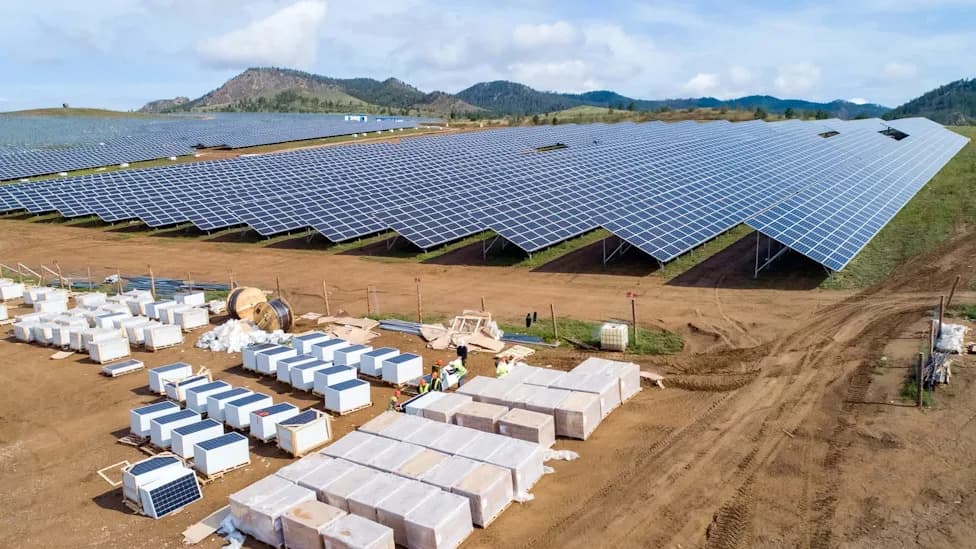
Photo Credit: iStock
Renewable energy supplied roughly 30% of U.S. electricity during the first five months of 2026, marking a clear shift in the nation’s power mix driven largely by rapid solar expansion, according to analysis of U.S. Energy Information Administration data reported by Solar Power World and the SUN DAY Campaign.
What’s Driving the Change
Generation from renewable sources in Jan–May 2026 was more than 10% higher than in the same period a year earlier. Utility-scale solar output increased by about 21% year‑over‑year, while combined wind and solar now produce roughly 57% more electricity than coal.
Capacity Additions
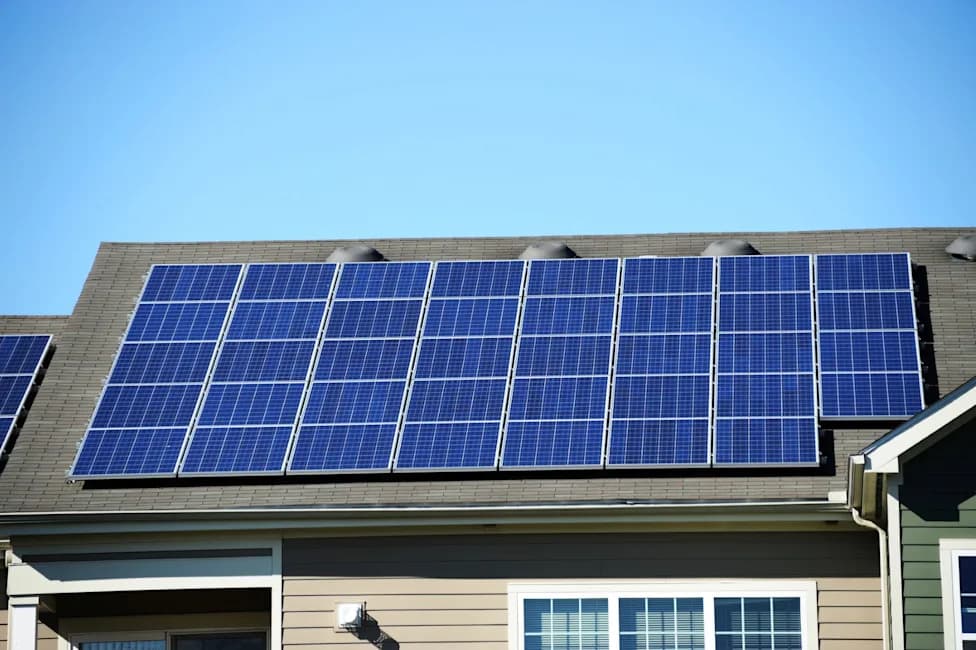
Between May 2025 and May 2026, the U.S. added nearly 28 gigawatts (GW) of utility‑scale solar and another 6.6 GW of small‑scale (distributed) solar. Utility‑scale battery storage capacity grew by approximately 16.5 GW over the same 12‑month span, improving the grid’s ability to shift solar generation to times of higher demand.
Conventional Sources Decline
Over the same period, coal generation fell 10.9%, and combined nuclear and natural gas output slipped about 3.8%. The SUN DAY Campaign reports that nuclear and fossil sources are expected to contract modestly over the coming year.
Impacts on Pollution, Reliability and Costs
Adding more renewables and storage reduces emissions from coal, oil, and gas—benefiting air quality and public health—and can, over time, moderate exposure to volatile fuel prices because wind and solar have near‑zero fuel costs. Expanded storage also helps reduce reliance on gas‑fired peaker plants by shifting excess solar to evening demand peaks.
Outlook
The SUN DAY Campaign projects about 83 GW of added renewable capacity through the end of May 2027, while nuclear and fossil sources together may decline by about 4.7 GW. Much of that growth is expected to come from solar, which the group says could overtake natural gas in installed capacity by spring 2027 if current trends continue.
Ken Bossong, Executive Director of the SUN DAY Campaign: “Notwithstanding all the roadblocks erected by the Trump administration, the growth of solar, wind and battery storage is actually accelerating, proving once again that one cannot stop an idea whose time has come.”
Data sources: U.S. Energy Information Administration, SUN DAY Campaign, Solar Power World.
Help us improve.