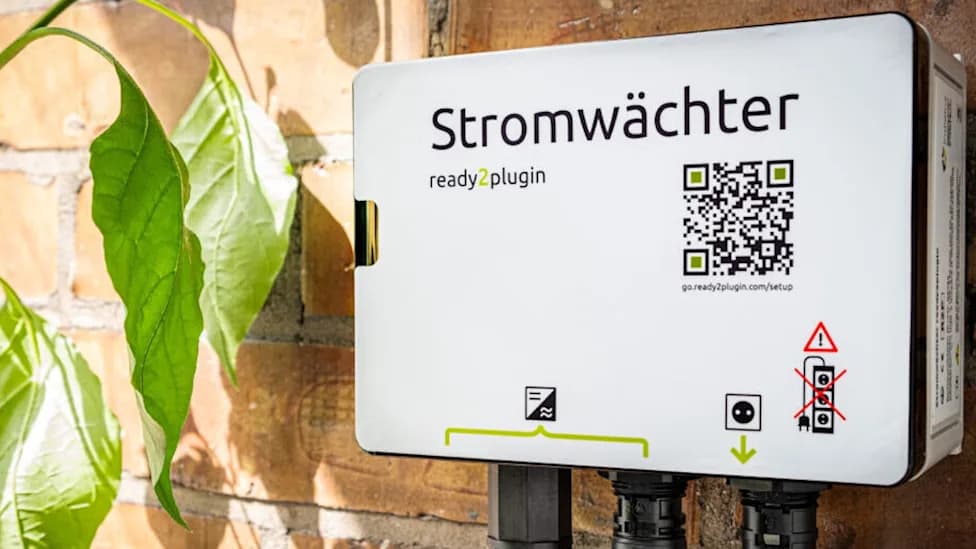
From Aug. 27 the U.K. will allow the sale of plug-in "balcony" solar panels that connect to a standard household outlet, expanding access to clean power for renters and flat owners. Retailers including Currys, B&Q and Asda are expected to stock units likely starting at around £400, with typical annual savings of £70–£110. Most systems are about 800W — roughly one-fifth of a typical rooftop install — and industry groups are developing safety standards; payback may take four to seven years and some tenants may need landlord permission.
From Aug. 27 U.K. Renters Can Buy Plug-In "Balcony" Solar Panels — A Cheaper Path To Clean Power
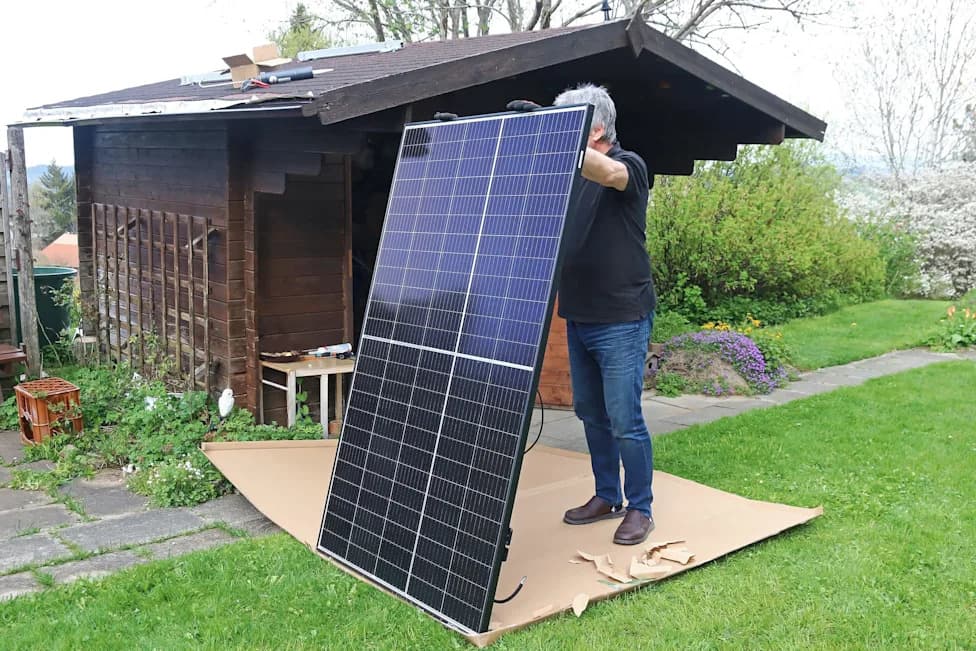
Photo Credit: iStock
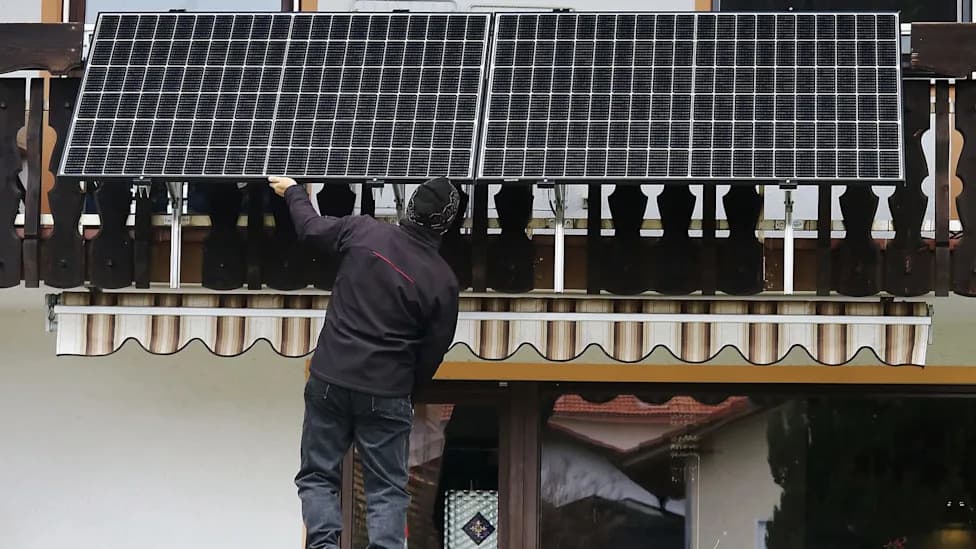
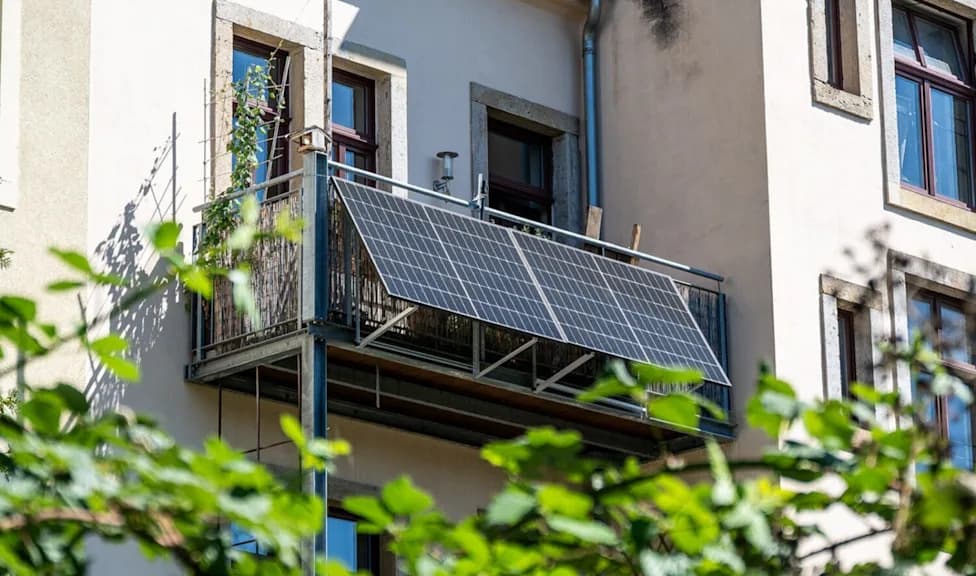
A regulatory change in the United Kingdom will make small, plug-in solar systems — often called "balcony" panels — legally available to households from Aug. 27. These compact arrays plug into a standard household socket and are aimed at renters, flat owners and anyone who cannot install conventional rooftop systems.
What the Rule Change Means
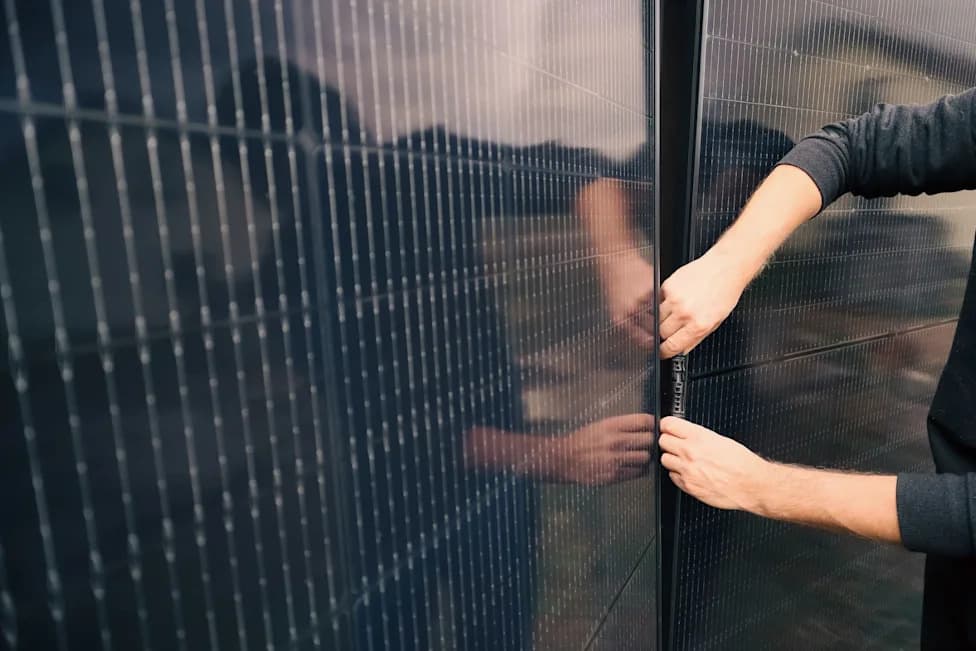
The Guardian reports that legislation approved last week clears the way for major retailers to sell ready-made plug-in solar kits later this summer. Unlike full rooftop installations, these units can be set up by occupants and simply plugged into an ordinary outlet, avoiding the need for professional roof mounting.
Price, Performance and Savings
Retailers such as Currys, B&Q and Asda are expected to stock the systems, with prices likely to start at around £400 (about $533). Typical kits have a capacity near 800 watts — roughly one-fifth of a conventional residential rooftop array — so they are not intended to power an entire home. Still, they can reduce household demand on the grid, lower electricity-related emissions and trim utility bills by an estimated £70–£110 a year ($93–$147).
Practical Considerations
Industry groups and government officials are developing sales guidance, safety rules and reliability standards ahead of retail rollout. Officials have also held talks with retailers including Screwfix, Wickes and Amazon to agree on best practices. The Guardian cautions that the upfront cost may take about four to seven years to recoup through energy savings, and some tenants may still need permission from landlords or freeholders to install panels.
Future Opportunities: Batteries and Resilience
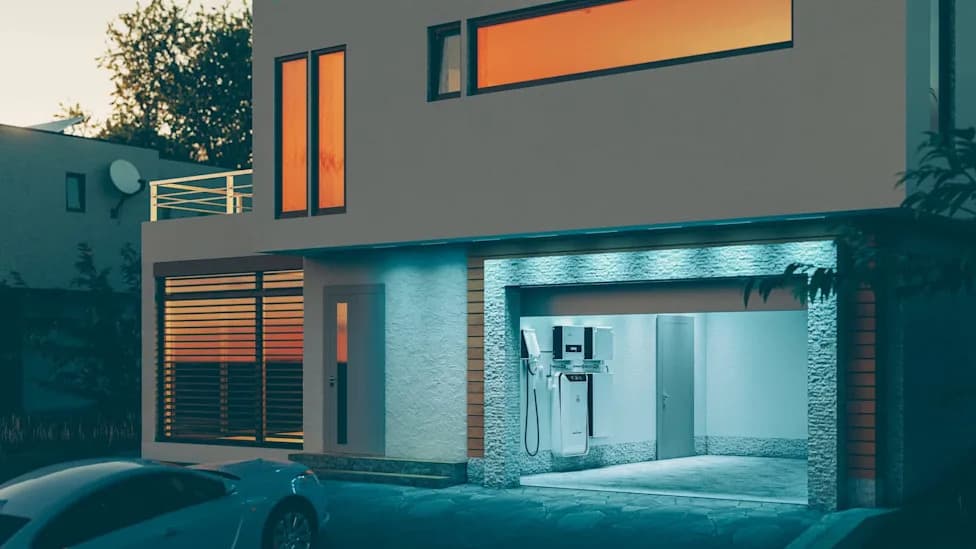
The new policy could also clear a path for compatible plug-in battery storage. Adding batteries would let households store daytime solar generation for later use, shift consumption away from peak-price periods, improve resilience in outages and increase financial benefits.
Context and Reactions
The move follows a surge in green home upgrades amid higher global energy prices; the U.K. installed a record 269,000 solar systems last year — more than a third higher than the year before. Rob Hallifax, co-founder of Windfall Energy, called the change a "massive win for consumer energy independence and a huge leap forward for anyone who has previously been locked out of the energy transition." Chris Hewett, chief executive of Solar Energy UK, said the measure could bring "cheap, clean power to households that have not been able to access these benefits before."
How To Explore Options
For households interested in rooftop systems or battery storage, comparison tools and independent marketplaces can help estimate costs and compare installers. Potential buyers should also check product safety certifications, retailer guidance and whether building or tenancy rules require permission before installing panels.
Bottom line: From Aug. 27, plug-in balcony solar gives renters and flat owners a lower-cost, lower-barrier way to tap solar power — though users should weigh upfront costs, likely payback periods and any permissions required.
Help us improve.