Summary: Public-health experts are questioning whether recent federal staffing and budget reductions weakened the U.S. response to a record cyclospora outbreak linked to iceberg lettuce distributed by Taylor Farms. The CDC has tied 1,947 cases in nine states to that product while over 11,500 cases have been reported nationwide this year. Former agency officials and scientists say cuts to specialized teams and surveillance resources have hindered outbreak detection and containment, prompting calls for an independent review.
Could Federal Budget Cuts Have Worsened the Record Cyclospora Outbreak?

Could Federal Cuts Have Worsened the Cyclospora Outbreak?
The United States is facing its largest recorded cyclospora outbreak, and public-health experts are asking whether recent federal staffing and budget reductions weakened the country's ability to detect and contain the spread. The Centers for Disease Control and Prevention (CDC) has linked 1,947 confirmed cases across nine states to iceberg lettuce grown in Mexico and distributed nationwide by Taylor Farms. In total, more than 11,500 people in 41 states have reported illness this year.
What Is Cyclospora?
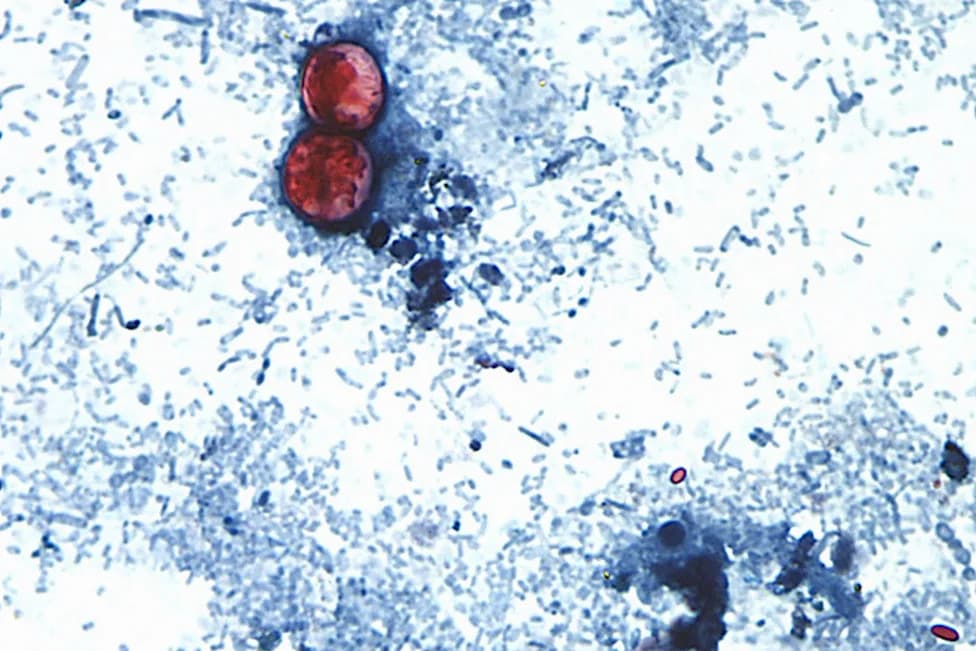
Cyclospora cayetanensis is a parasite that spreads when food or water is contaminated with human feces. Infection (cyclosporiasis) typically causes explosive, watery diarrhea that can persist for weeks and may require medical treatment, especially for vulnerable people.
Concerns From Experts
Public-health specialists and former federal officials say reductions in specialized teams and surveillance resources have made outbreak investigation and response more difficult. "This is a very large outbreak because we didn't stop it in time," says Kellogg J. Schwab, PhD, a professor of public health at Johns Hopkins, arguing that cuts to staff and funding for federal food-surveillance programs made such an event more likely.
"The response is being hampered by the loss of specialized staff and the loss of hands-on deck needed to identify the source of the outbreaks," said Joel Barratt, who led a CDC team focused on parasitic outbreaks. He resigned last year after his 11-person team reportedly shrank to three scientists.
Debate Over Surveillance Funding
There is disagreement about how much recent budget changes have affected surveillance. Health and Human Services Secretary Robert F. Kennedy Jr. has denied cuts to surveillance programs, while former FDA officials and academic experts say resources have been reduced. Critics have pointed to cuts in broader surveillance efforts over recent years — for example, FoodNet, the multiagency Foodborne Diseases Active Surveillance Network, once tracked eight pathogens (including cyclospora) and now focuses on fewer targets. Experts note, however, that FoodNet was designed to monitor long-term trends rather than to detect acute outbreaks.
Calls For Review And Accountability
Former FDA deputy commissioner Frank Yiannis and other public-health leaders are calling for an independent review of the federal response, saying the magnitude of the outbreak and perceived delays warrant external scrutiny.
What Consumers Should Know
Public-health authorities continue to investigate and issue guidance to consumers. If you have severe or persistent diarrhea, especially after eating fresh produce, seek medical attention and mention possible cyclospora exposure. Proper washing of produce and following any official recalls or advisories from the CDC, FDA, or state health departments remain important precautionary steps.
Note: This article reports statements from public-health experts and former officials about funding and staffing impacts on outbreak response. Some details about funding changes are matters of disagreement among officials and are described here as reported.
Help us improve.