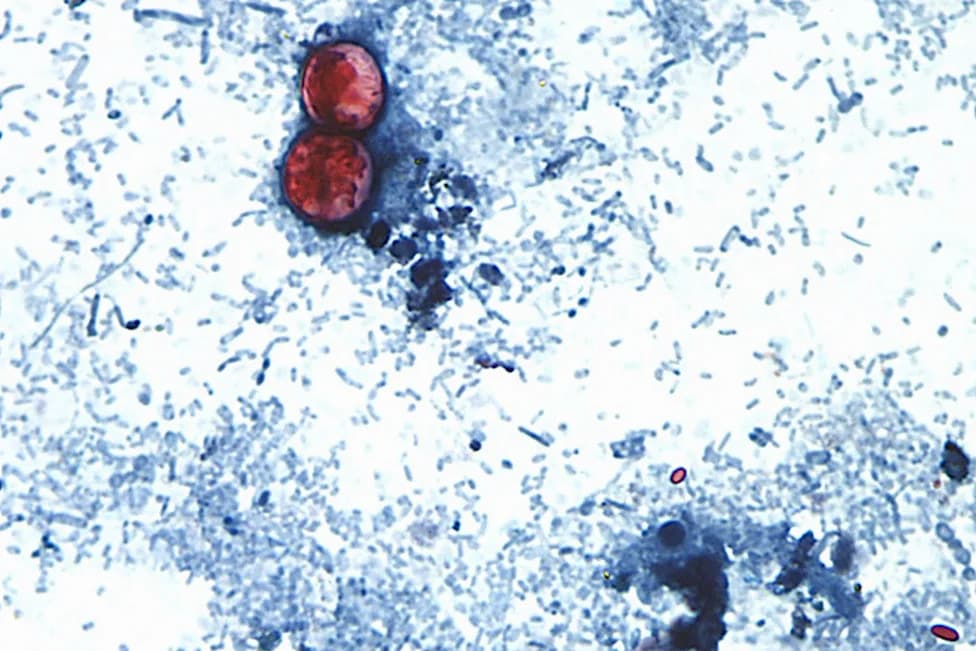
The CDC reports nearly 20,000 lab-confirmed Cyclospora illnesses linked to lettuce from May to August 2026, a dramatic increase from 1,180 cases in the same months of 2025. The outbreak and a surge in recalls have made food safety a central issue in the 2026 midterm campaign, with political leaders trading blame and officials defending response efforts. Polls show low public confidence in federal oversight, and experts warn complex supply chains and unassessed packaging chemicals raise the risk that single contamination events can ripple across many products.
Nearly 20,000 Cyclospora Illnesses Linked to Lettuce Put Food Safety at Center of 2026 Midterms
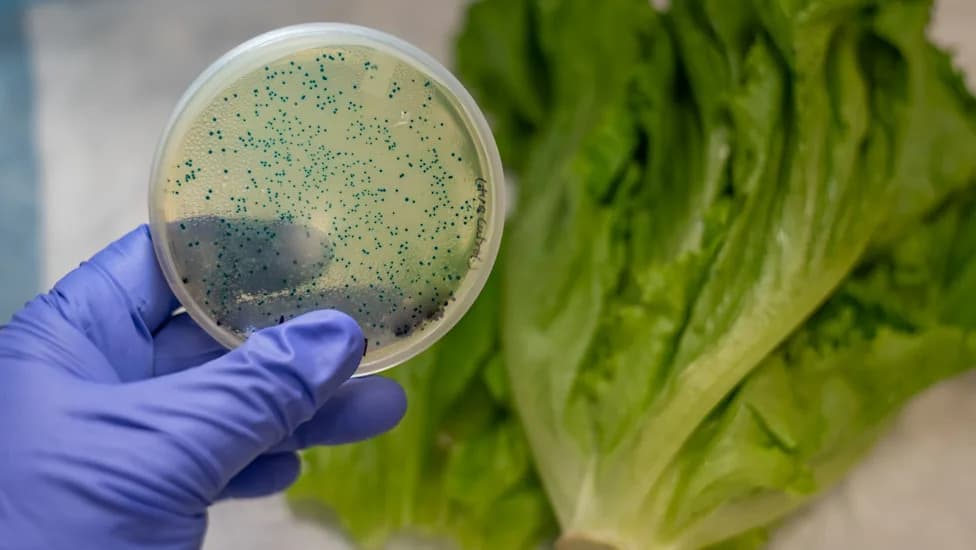
Photo Credit: iStock
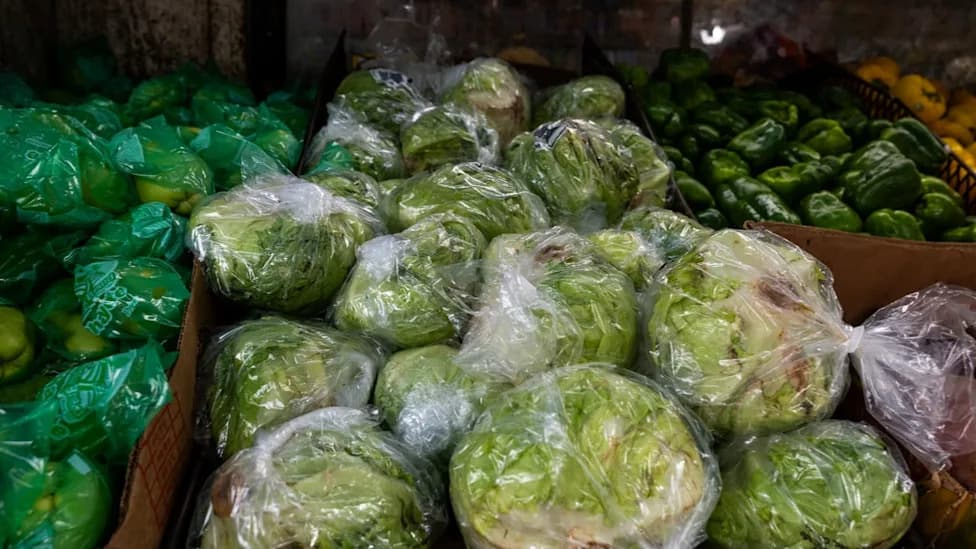
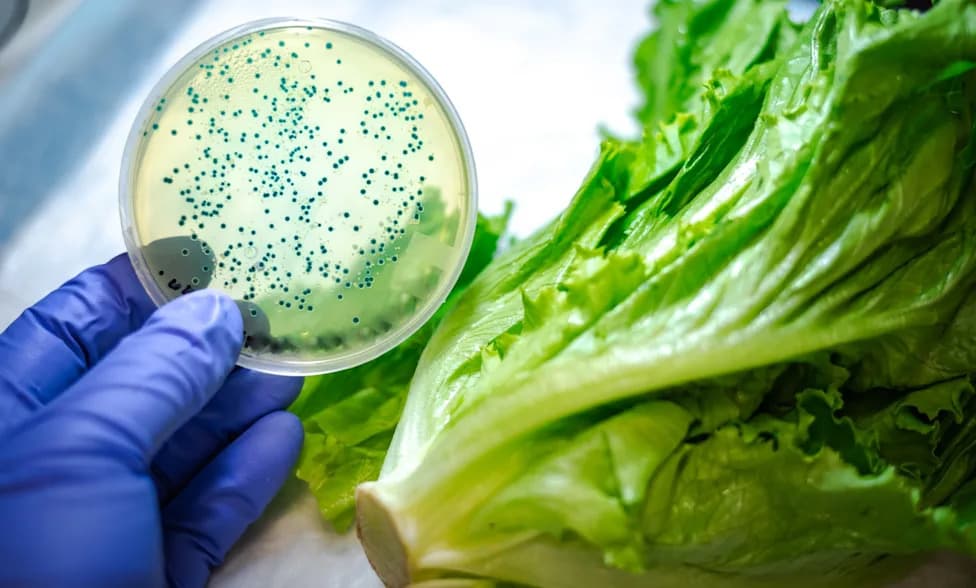
A Cyclospora outbreak tied to lettuce that the Centers for Disease Control and Prevention says resulted in nearly 20,000 laboratory-confirmed illnesses has propelled food safety to the forefront of the 2026 midterm campaign.
Outbreak Details
According to CBS News, CDC data show nearly 20,000 lab-confirmed Cyclospora cases linked to lettuce between May and August 2026, a sharp rise from 1,180 cases during the same months in 2025. Public health officials called this the largest recorded outbreak of the parasite.
Political Fallout
The outbreak has become a political flashpoint. The Trump administration has accused Democrats of politicizing food-safety fears, while Democrats point to the outbreak and a wave of recalls as evidence that the administration has weakened food protections through staffing cuts and reduced public-health oversight.
Public Concern and Polling
Polling reflects widespread public anxiety. A Quinnipiac University survey found most registered voters have little or no confidence in federal food-safety oversight. A separate GS1 U.S. poll reported that 94% of U.S. adults were worried about how often recalls are happening.
Recalls and Supply-Chain Risks
Advocates and watchdogs say the outbreak is part of a larger trend of recalls and contamination alerts. The U.S. Public Interest Research Group reported about 200 food recalls so far in 2026, following 320 recalls in 2025 and 296 in 2024. CBS News noted that a single contaminated ingredient can trigger multiple recalls across different products.
- Food recalls across the U.S. surged past 57 million units as allergens and contamination triggered alerts.
- Costco and Publix pulled more than 4,000 cases of sauces and salad dressings amid contamination concerns.
- Lidl issued a recall after plastic contamination was found in snack bars.
- U.S. regulators recalled over 120,000 pounds of pulled-pork sandwiches after plastic fragments were discovered.
- Scientists warned that chemicals commonly used in food packaging have not been fully assessed for long-term safety.
Official Response and Criticism
The administration has defended its response, saying core outbreak-response systems remain intact. Grace Davis Jamison, a spokesperson for the U.S. Department of Health and Human Services, said FDA outbreak investigators were not affected by staffing reductions and that the CDC lab supporting foodborne investigations remained operational. She added: 'The Trump Administration has mounted a robust response to each outbreak, working closely with health departments in all 50 states and leading the public health response by promptly identifying known sources and providing Americans with the information they need to protect themselves.'
Critics argue that other federal moves could weaken oversight, citing a delayed food traceability rule now pushed to July 2028 and the withdrawal of a proposed regulation that would have limited sales of raw turkey and chicken with high levels of Salmonella.
Expert Perspectives
Teresa Murray, consumer watchdog director at the U.S. Public Interest Research Group, said the scale of illnesses makes the threat feel immediate: 'One of the reasons food safety is in the news this year, and people have been rightfully concerned, is the combination of high-profile restaurant names and the absolute colossal number of illnesses. It's thousands of people. It makes it more real.'
Craig Hedberg, a public health professor at the University of Minnesota, suggested that improved detection may be catching smaller outbreaks earlier: 'This is an indication we're finding more outbreaks and finding more when they are smaller and limiting the extent to which they can get bigger.'
Sandra Eskin, CEO of Stop Foodborne Illness, warned of broader consequences for growers and consumers: 'If you want people to eat real food, fresh fruits and vegetables, they have to be safe. Instead, we have had farmers plowing under fields because people aren't buying lettuce.'
Consumer Behavior and Practical Advice
Survey research from the University of Illinois and Purdue University found that nearly half of consumers changed grocery buying habits and 40% altered where they dine out because of foodborne illness concerns. Practical steps consumers can take include following recall notices, washing produce thoroughly, and staying informed about local health advisories.
The outbreak underscores vulnerabilities in a highly interconnected food system, where processed ingredients travel long distances and are used across many prepared foods, increasing the potential impact of a single contamination event.
Help us improve.