The FDA has closed its investigation into a cyclospora outbreak tied to shredded iceberg lettuce and published a 10-point short-term plan to reduce future risk. The outbreak sickened 12,883 people across 21 states, caused 570 hospitalisations and was linked by traceback to Taylor Farms de Mexico. Two environmental samples in Mexico tested positive, but Mexican regulators say the evidence is not conclusive that Mexican products were the source. The FDA will increase surveillance, testing capacity, FSVP inspections and international collaboration ahead of the 2027 season.
FDA Closes Cyclospora Probe After 12,883 Infections, Unveils 10-Point Plan To Reduce Future Risk
https://www.shutterstock.com/image-photo/silver-spring-md-usa-11102020-exterior-1853126911?trackingId=c830b4e7-3763-4b7a-a66c-5e86ff26a245&listId=searchResults
The US Food and Drug Administration (FDA) has concluded its in-depth investigation into a large cyclospora outbreak linked to shredded iceberg lettuce and published a short-term, 10-point plan aimed at reducing the risk of similar outbreaks in future growing seasons.
What the Investigation Found
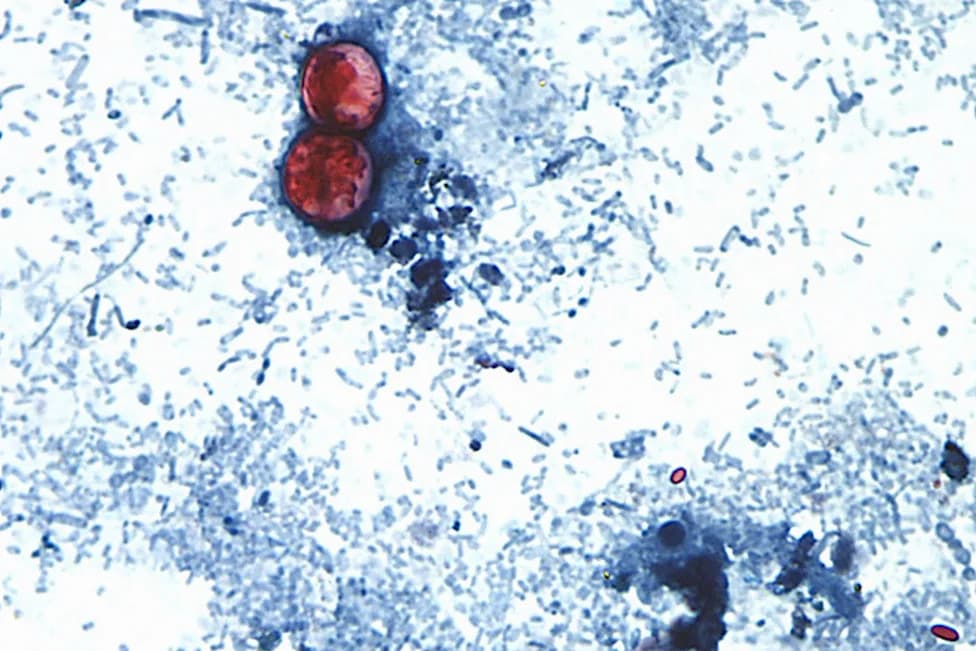
The FDA, working with the Centers for Disease Control and Prevention (CDC), reported that 12,883 people across 21 US states were infected with Cyclospora cayetanensis after consuming iceberg lettuce traced to a supplier in central Mexico. The outbreak caused 570 hospitalisations and was associated with two reported deaths. The CDC declared the outbreak over on 11 September, and the FDA announced the conclusion of its probe on 2 October.
Traceback work linked the illnesses to shredded iceberg lettuce supplied by Taylor Farms de Mexico, prompting a recall by the company. During on-site inspections and environmental sampling, the FDA collected water, soil, sediment and lettuce samples. Two environmental samples in Mexico tested positive for cyclospora: one from a tank holding outgoing wastewater at the Taylor Farms de Mexico processing facility, and one from a drainage ditch at a grower identified in the traceback.
However, the FDA noted that there remains insufficient evidence to conclusively determine exactly how contamination occurred. The agency said the positive environmental samples add to strong epidemiological data and traceback convergence supporting the link to the recalled shredded iceberg lettuce, but they do not by themselves prove the route of contamination.
Response From Mexican Authorities
Mexico's Ministry of Health and Cofepris posted that environmental findings do not, in themselves, constitute conclusive evidence that agricultural products were the source of contamination, and that analyses from Cofepris’ National Reference Laboratory on some raw materials, iceberg lettuce and water from the investigated plant returned negative results for cyclospora.
The Mexican agencies acknowledged the FDA's environmental detections while emphasising that the available information at the close of both investigations did not provide conclusive analytical proof that Mexican products caused the outbreak.
FDA's 10-Point Short-Term Plan
The FDA announced a targeted package of measures intended to mitigate cyclospora risk ahead of the 2027 growing season and strengthen prevention for fresh produce. Key elements include:
- Publishing detailed outbreak investigation reports and maintaining transparency on findings.
- Increasing surveillance of products historically associated with cyclospora.
- Expanding public outreach domestically and internationally to raise awareness of food-safety requirements.
- Building testing capacity in Mexico and improving analytical capabilities.
- Extending data sources to evaluate environmental factors that could enable cyclospora spread and using those data to inform prevention strategies.
- Working with Cofepris and Mexican agricultural agencies to strengthen food-safety education and best practices.
- Exploring enhanced water and waste management monitoring and hosting stakeholder discussions to identify improvements.
- Collaborating with the CDC on genotyping methods to better link cases and environmental detections.
- Stepping up Foreign Supplier Verification Program (FSVP) inspections to ensure importers account for cyclospora in hazard analyses.
- Bolstering the Cyclospora Prevention, Response and Research Action Plan to guide future efforts.
What Comes Next
The FDA stressed that investigators will continue working with Mexican authorities and US partners to refine prevention strategies, improve testing and surveillance, and reduce the likelihood of future outbreaks. The agency framed these steps as short-term priorities aimed at mitigating risk ahead of the 2027 season while longer-term research and prevention work continues.
Help us improve.