U.S. Ambassador to the U.N. Mike Waltz defended a new civilian nuclear cooperation agreement with Saudi Arabia, insisting the pact bars uranium enrichment and is limited to energy uses. He repeated the claim on both Meet the Press and Fox News Sunday, and stressed that any U.S. technology transfer would be subject to strict inspections. The Department of Energy has not released full terms, prompting congressional scrutiny. Waltz sharply contrasted the Saudi deal with Iran's program, accusing Tehran of concealing weapons-capable enrichment.
Waltz: U.S.-Saudi Civilian Nuclear Pact Bars Uranium Enrichment, Emphasizes Full Inspections
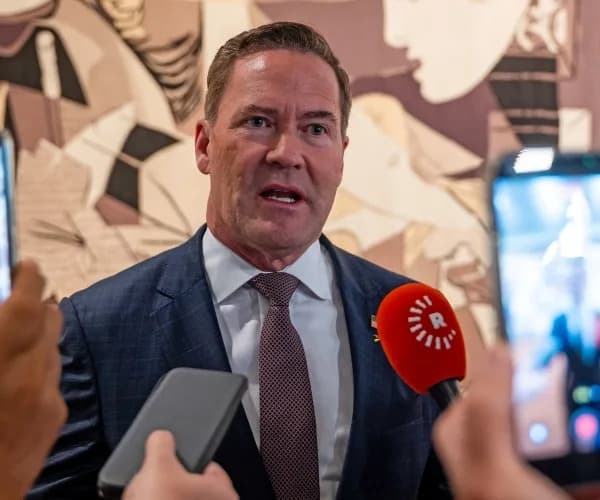
U.S. Ambassador to the United Nations Mike Waltz (Spencer Platt/Getty Images)
U.S. Ambassador to the United Nations Mike Waltz on Sunday defended the Trump administration's recently finalized civilian nuclear cooperation agreement with Saudi Arabia, saying the pact does not permit uranium enrichment and is limited strictly to civilian energy uses.
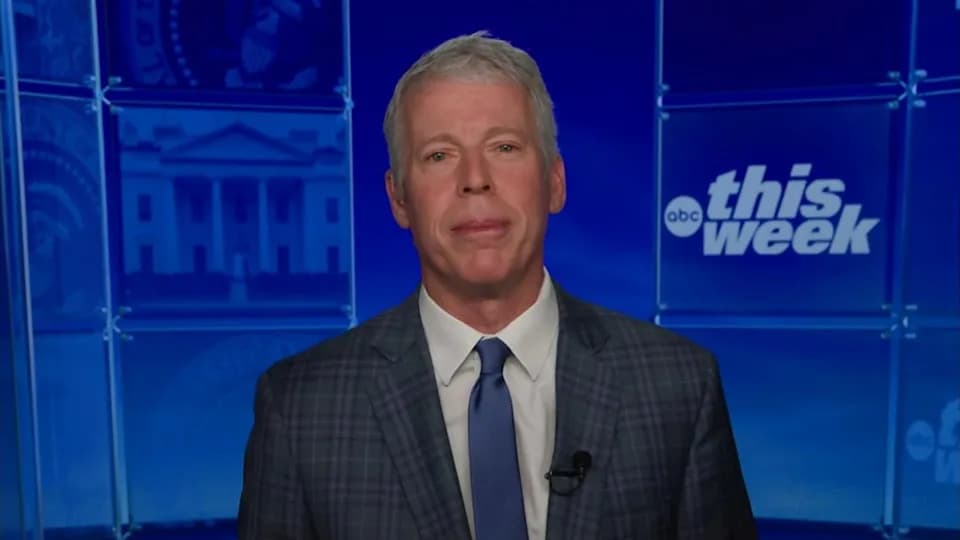
Speaking on NBC's Meet the Press, Waltz said the agreement "is strictly limited to civilian nuclear energy and does not transfer sensitive enrichment technology to the kingdom." He reiterated the point on Fox News Sunday, stressing: "There is no enrichment envisioned in this plan."
Waltz noted that the United States has not exported certain reactor technologies in many decades and that any cooperation with Saudi Arabia would remain under stringent oversight and verification as implementation details are worked out.
Agreement Details And Oversight
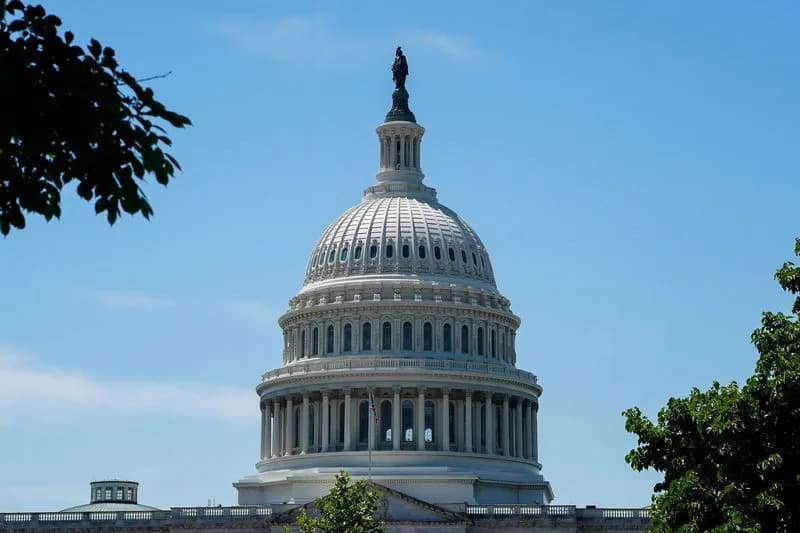
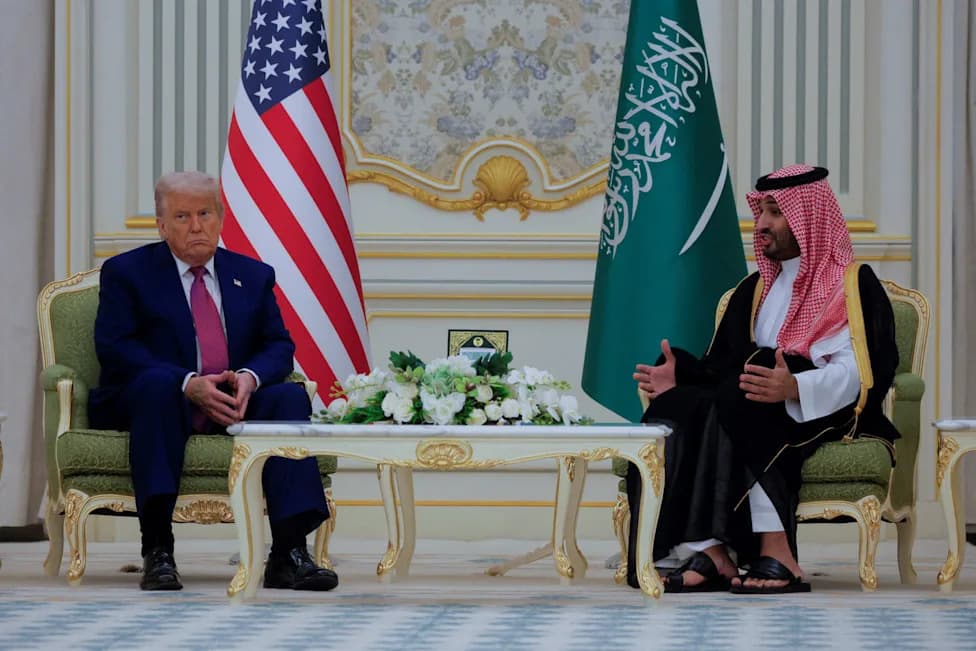
The administration announced last week that Energy Secretary Chris Wright and Saudi Energy Minister Abdulaziz bin Salman signed a civil nuclear cooperation agreement intended to allow American nuclear companies to pursue commercial opportunities in the Saudi market. The Department of Energy has not published the full terms of the deal, and lawmakers on Capitol Hill are seeking additional information about safeguards, inspections and implementation procedures.
"We haven't sold our nuclear technology in terms of small modular reactors, microreactors, large reactors, in many, many decades," Waltz said, adding that "discussions over the implementation of the agreement are continuing even though its core framework has been established."
Contrast With Iran
Waltz rejected direct comparisons between the Saudi agreement and Iran's nuclear activities, arguing the two programs differ sharply in both purpose and transparency. He warned that a nuclear test by Iran would trigger a regional arms race.
Accusing Tehran of pursuing capabilities beyond civilian needs, Waltz stated: "The difference is Iran is enriching to weapons' level that it doesn't need to do." He described Iran as concealing facilities "hundreds of feet underground, under hardened military infrastructure," and accused it of attempting to shield those assets with conventional drone and missile defenses.
Waltz also pointed to repeated hostile rhetoric from Iranian leaders toward Israel and Western countries as further evidence that Tehran's ambitions should not be equated with Saudi Arabia's declared civilian program.
Implementation details and additional oversight arrangements remain under discussion as Congress seeks greater clarity on verification, safeguards and the precise limits of technology transfer under the agreement.
Help us improve.