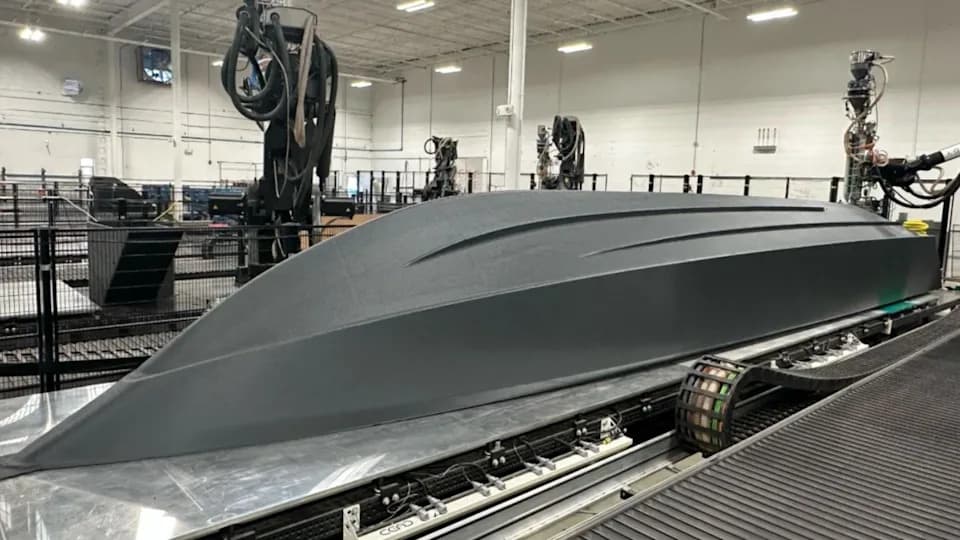
UFORCE and RECONCRAFT signed an MOU to produce MAGURA unmanned surface vessels in Oregon and South Carolina, aiming for eventual output in the hundreds or possibly thousands per year. MAGURA USVs — including the V7 variant — have been credited by Ukrainian sources with engaging aerial targets and expanding into mine-countermeasure and anti-submarine roles. The move responds to Pentagon interest in lower-cost autonomous platforms, but U.S. production costs and impacts on unit price remain unclear.
U.S. Firms To Build Ukraine's Battle-Tested MAGURA Naval Drones In Oregon And South Carolina
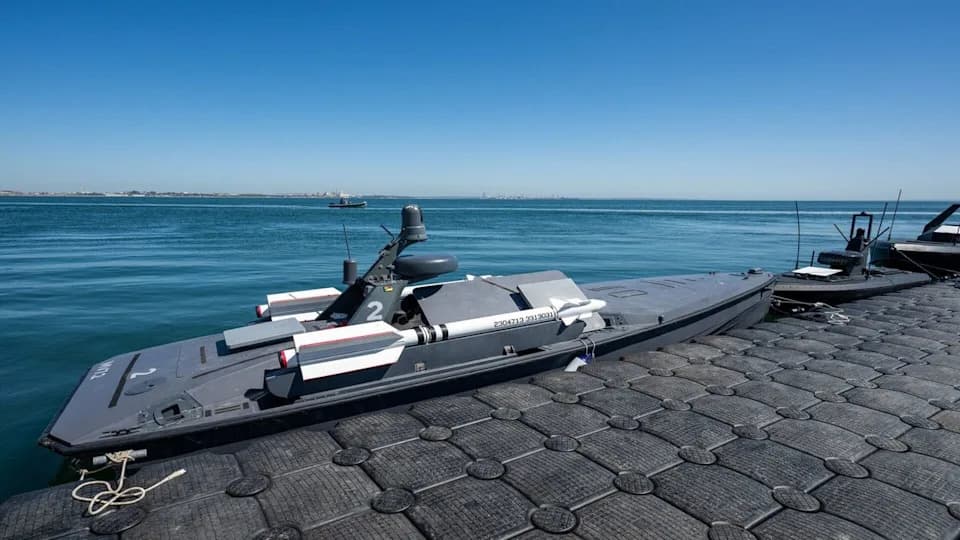
Credit: United24Media
Ukrainian defense company UFORCE and U.S. combat-boat builder RECONCRAFT have signed a memorandum of understanding to establish domestic production lines for the MAGURA family of unmanned surface vessels, with planned facilities in Oregon and South Carolina, according to reports citing The Wall Street Journal.
Production Plan And Partnership
The MOU, reportedly signed at the Embassy of Ukraine in Washington, envisions eventual output in the hundreds — and possibly thousands — of MAGURA units per year. Under the agreement, UFORCE and RECONCRAFT will pool manufacturing equipment, materials and personnel to stand up production lines on American soil.
What Is MAGURA?
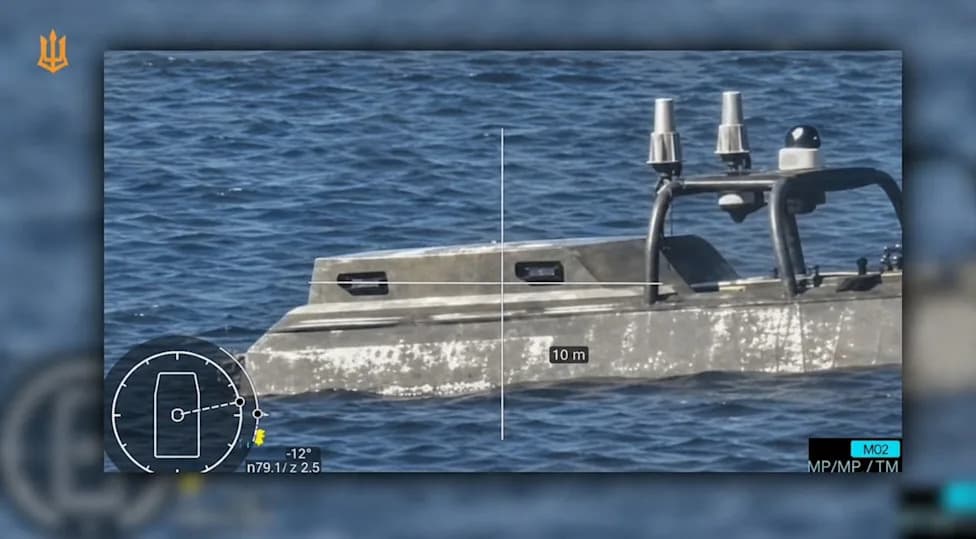
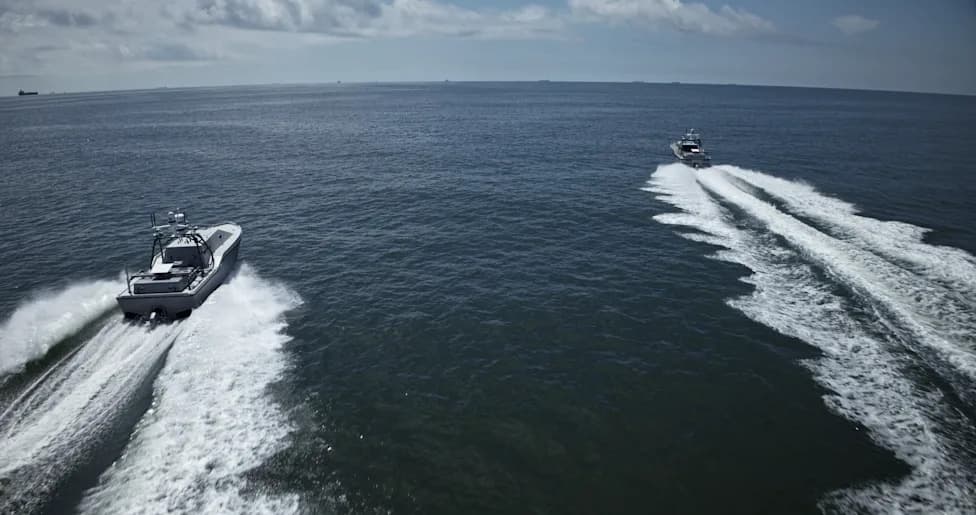
MAGURA is a modular family of unmanned surface vessels (USVs) developed by UFORCE. Initially known for strike missions, the platform has expanded to roles that include aerial-drone launches, mine-countermeasure operations and towing anti-submarine sonar. Ukrainian reports credit the MAGURA V7 variant with the capability to engage helicopters and fixed-wing aircraft; Kyiv has said a V7 used AIM‑9 Sidewinder missiles in a late-2024 operation reported as a strike against an aerial target.

Google logo on a black background next to text reading 'Click to follow TechRadar'
Operational Highlights
MAGURA systems drew international attention after repeated strikes in the Black Sea region that helped disrupt parts of Russia's Black Sea Fleet. In April 2026, MAGURA unmanned surface vessels reportedly participated in the U.S.–Philippines Balikatan exercise and sank a target ship during a live-fire demonstration in the Luzon Strait.
Strategic And Cost Considerations
The partnership comes amid growing Pentagon interest in lower-cost autonomous platforms after recent conflicts underscored how expensive some drone operations can be. Advocates say producing MAGURA in the U.S. will speed availability for American forces by combining an existing, combat-proven autonomous system with domestic manufacturing capability.
"Partnering with UFORCE combines our manufacturing expertise and capabilities with the combat-proven autonomy of the MAGURA platform," said Joe Silkowski, co-founder of RECONCRAFT. "This allows us to deliver greater capability to American warfighters faster than developing a new system from the ground up."
However, U.S. production is typically more expensive than many overseas alternatives because of higher labor and regulatory costs and more complex supply chains. Neither UFORCE nor RECONCRAFT has disclosed how U.S. manufacturing would affect unit prices or delivery timelines, and specific production capacities and schedules remain unannounced.
Timeline and next steps: The memorandum is an initial step. Detailed contracts, financing, supply-chain arrangements and permitting will determine whether the project reaches the projected annual output levels.
Help us improve.