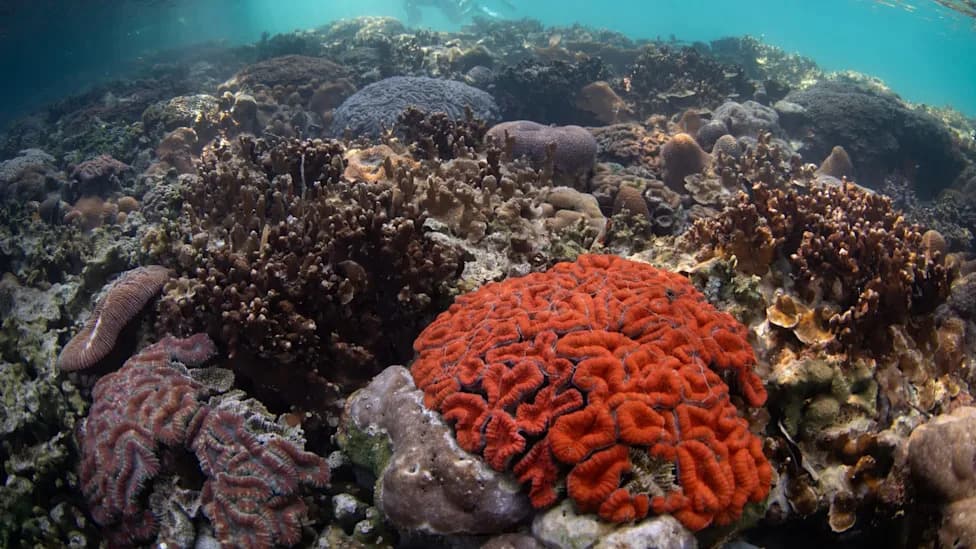
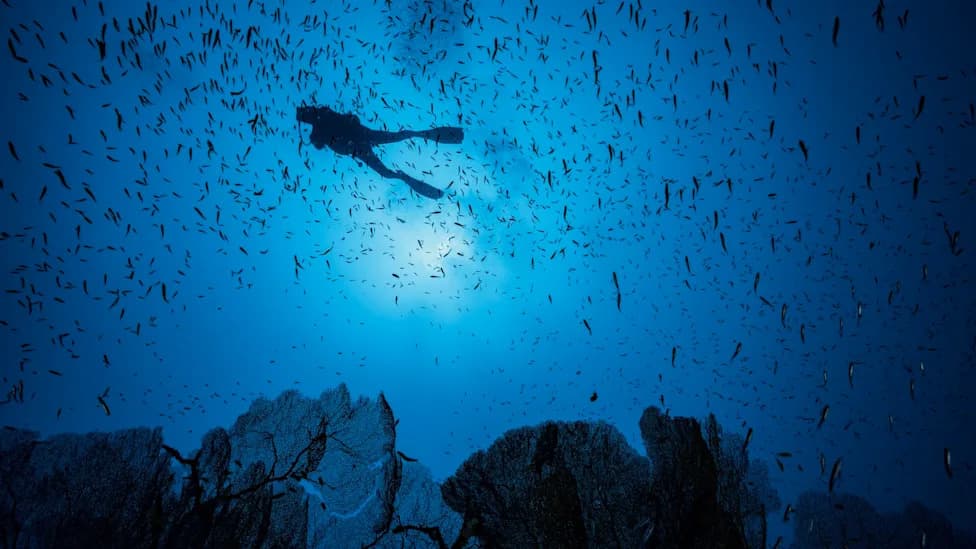
Observers tracked 732 recreational divers in Indonesia and the Philippines and found reef contact occurred about once every four minutes; over 40% of contacts caused visible damage. Divers dramatically underestimated how often they touched reefs, reporting roughly one-fifth of the actual frequency. Wildlife encounters and items like cameras, gloves and muck sticks raised contact risk. The study recommends better buoyancy training, clearer briefings, smaller groups and certifications such as Green Fins to reduce harm.
Divers Often Damage Coral Reefs Without Realizing It, Study of 732 Dives Shows
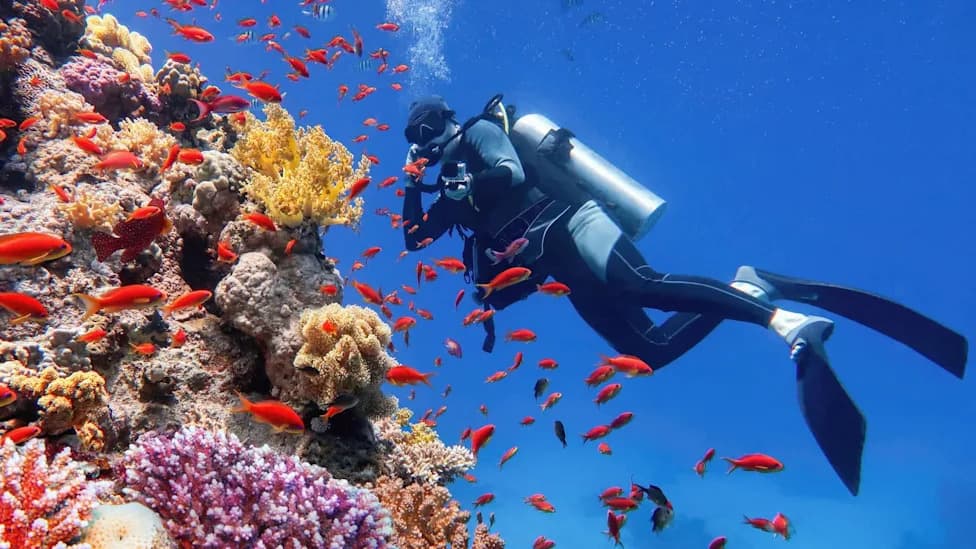
Photo Credit: iStock
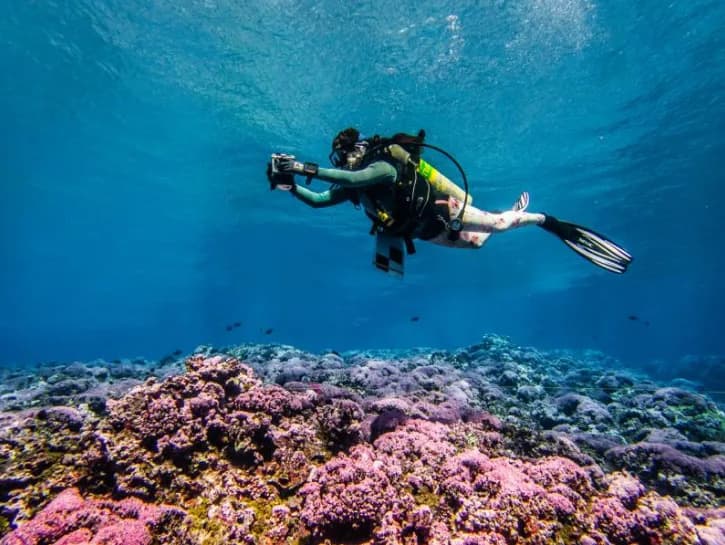
New research comparing divers' self-reports with trained underwater observers shows recreational scuba divers frequently contact coral reefs — often causing visible damage — and usually underestimate how much harm they do.
What the Study Found
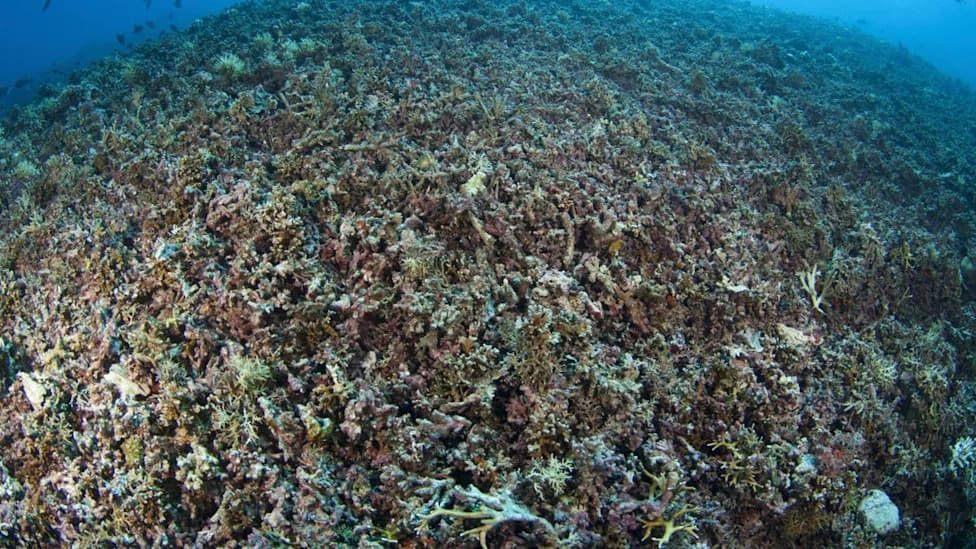
Scientists monitored 732 recreational scuba divers at reef sites in Indonesia and the Philippines. Observers recorded reef contact roughly every four minutes on average. More than 40% of those contacts produced visible harm, from broken coral branches to sediment smothering living surfaces.
Perception Versus Reality
Divers’ self-assessments diverged sharply from observers’ records. Participants estimated they touched the reef at only about one-fifth of the frequency actually observed, and many believed they were “better than average” at avoiding contact. The researchers note a clear social effect: when one diver made contact, nearby divers were more likely to do the same.
Triggers and Risk Factors
Exciting wildlife encounters — with sharks, turtles or manta rays — increased the odds of both accidental and deliberate reef contact, as divers focus on animals and lose situational awareness. Certain equipment choices, including underwater cameras, gloves and “muck sticks,” were also linked to higher contact rates. Some destinations already limit these items to reduce damage.
Why It Matters
Tourism-related physical damage adds stress to reefs already affected by warming seas, pollution and acidification. Healthy coral reefs protect coastlines, support fisheries and sustain tourism jobs; gradual degradation from diving can therefore threaten both biodiversity and local livelihoods.
Practical Steps To Reduce Harm
The researchers highlighted several effective measures: improved buoyancy training, clearer and more specific pre-dive briefings, smaller groups, stronger guide leadership, and enforced viewing distances during wildlife encounters. Choosing operators with robust sustainability standards — such as those certified by Green Fins — was associated with fewer intentional contacts. Individual divers can help by practising buoyancy, seeking frank feedback from guides, limiting risky gear, and giving reefs and animals more space.
“People may not change their behaviour if they do not realise they are part of the problem. The best way to enjoy marine life is with space and respect.”
With modest changes in training, operator practices and individual behaviour, diving can remain a rewarding way to connect with the ocean while protecting the reefs that make those experiences possible.
Help us improve.