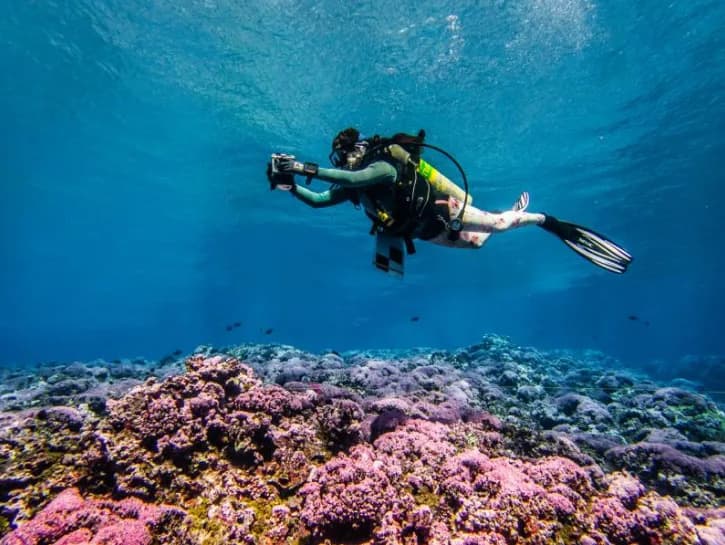
UCL researchers used underwater acoustic sensors and AI to study blast fishing in the Spermonde Archipelago. Over 483 days they recorded 3,567 explosions within a 17-km radius—an average of just over 23 blasts per day, nearly one per hour. The detonations devastate reef ecosystems and endanger fishers; the team says scalable acoustic monitoring could improve enforcement and support community interventions.
Nearly One Bomb Every Hour: Acoustic Study Exposes Widespread Blast Fishing in Indonesia
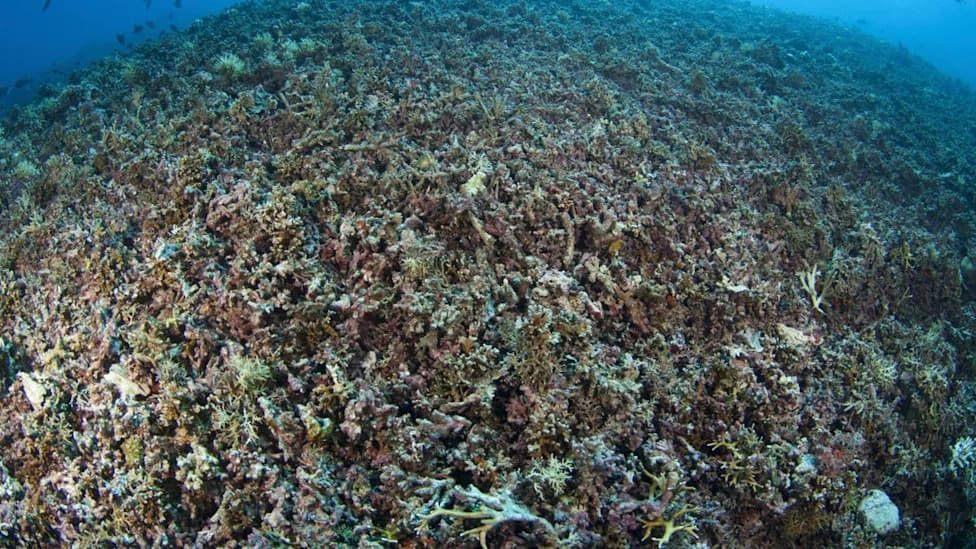
There's a Reef in Indonesia That's Bombed Every Hour of Every Day
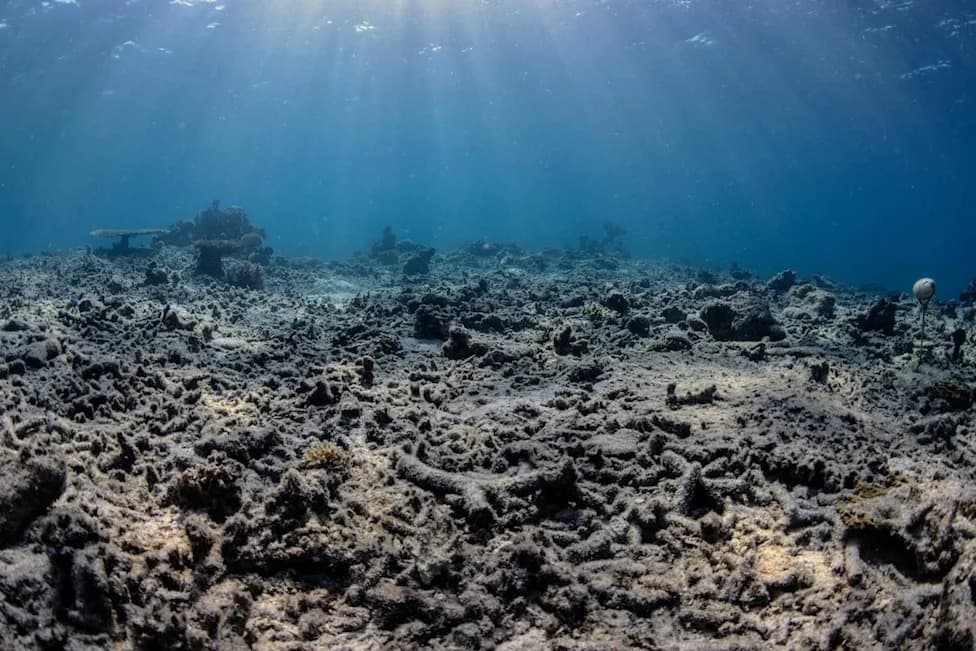
Researchers have documented a chilling level of blast fishing in the Spermonde Archipelago off Sulawesi, Indonesia: nearly one underwater explosion every hour for more than a year. Blast, bomb or dynamite fishing—used since the late 1800s in many poorer coastal regions—instantly stuns or kills fish but also obliterates the reef habitat and countless other organisms.
Study Findings
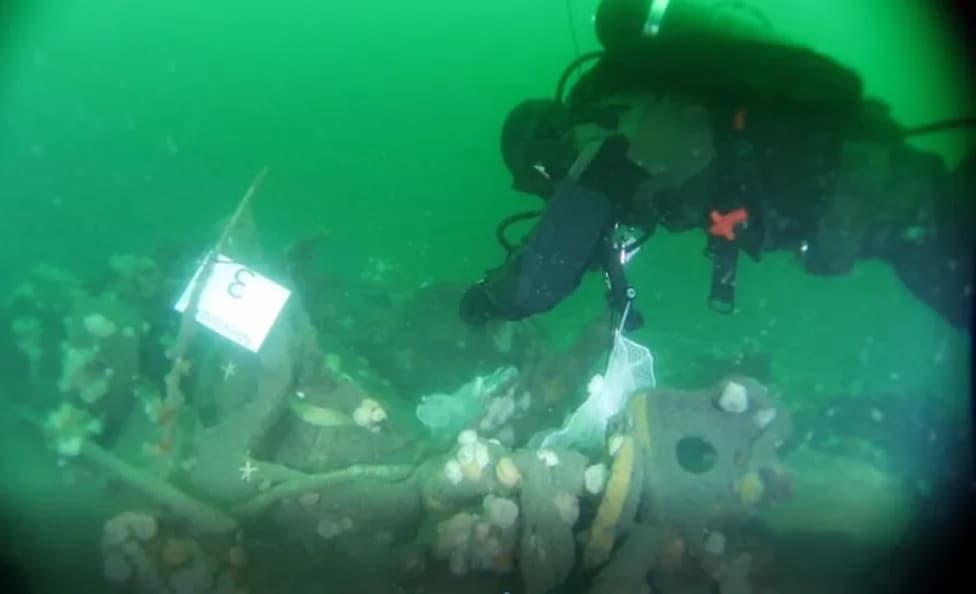
University College London researcher Ben Williams and colleagues deployed an underwater acoustic recorder at 17 meters depth in a known hotspot. Between May 2023 and September 2024 (483 days) the team analyzed 3,650 hours of audio using AI and identified 3,567 explosions within a roughly 17-kilometer radius—an average of just over 23 blasts per day.
“The sound of bomb fishing is so loud that if you're on a dive it can shake you out of your skin,” Williams said. Divers often feel the blasts more than they hear them, and the responsible boats can be difficult to spot from the surface because sound travels so far underwater.
Ecological and Human Costs
Each detonation demolishes coral structures, kills or displaces fish, and destroys micro- and macro-organisms—from dinoflagellates in corals to mollusks, crustaceans, sponges and echinoderms—causing long-term ecosystem collapse. The practice also injures fishers: homemade fertilizer bombs, stolen dynamite and military explosives are commonly used, and mangled limbs and fatal accidents are frequently reported in affected communities.
Enforcement Challenges and Solutions
Blast fishing has been documented in 34 countries across South America, the Mediterranean, Africa's east coast and Southeast Asia, making enforcement complex. Williams compares policing the activity to a game of Whac-A-Mole and recommends disrupting the illegal supply chains that provide explosives. The study’s acoustic monitoring approach—combining submerged sensors with AI—gives law enforcement better evidence and locations to target, while also enabling community interventions, education and follow-up monitoring to measure impact.
Hope for Scalable Monitoring
Williams and colleagues hope the method can be scaled and replicated across tropical regions to detect, deter and reduce blast fishing before more reefs are lost. Acoustic monitoring offers a promising tool to inform targeted enforcement and community-led alternatives that protect both people and marine life.
Originally published by Surfer on Sep 21, 2026.
Help us improve.