Steffen Bilger, 47, has been named Germany's transport minister after Patrick Schnieder requested dismissal amid a wider cabinet reshuffle led by Chancellor Friedrich Merz. The appointment has drawn criticism of Merz's communication and sparked concern within the CDU, particularly in Rhineland-Palatinate. Bilger brings prior experience at the transport ministry and faces urgent challenges including reforming Deutsche Bahn, repairing the rail network, improving punctuality, and securing funding for upgrades.
Steffen Bilger Appointed Germany's Transport Minister Amid Merz Cabinet Turmoil
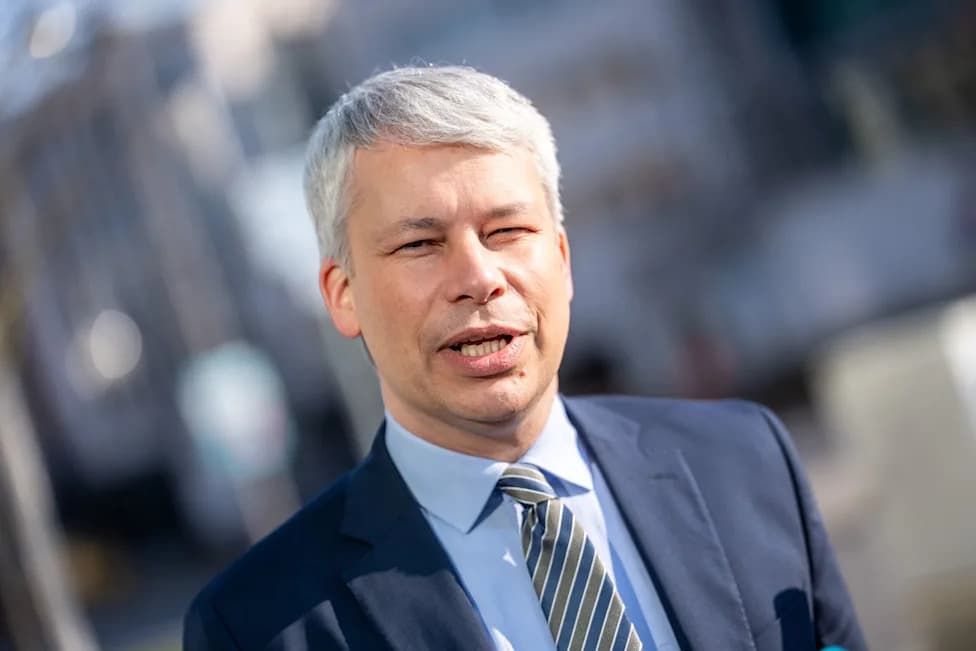
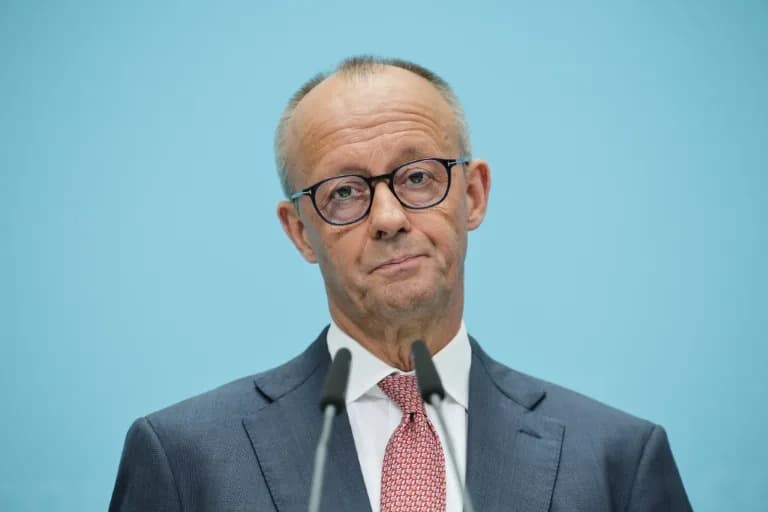
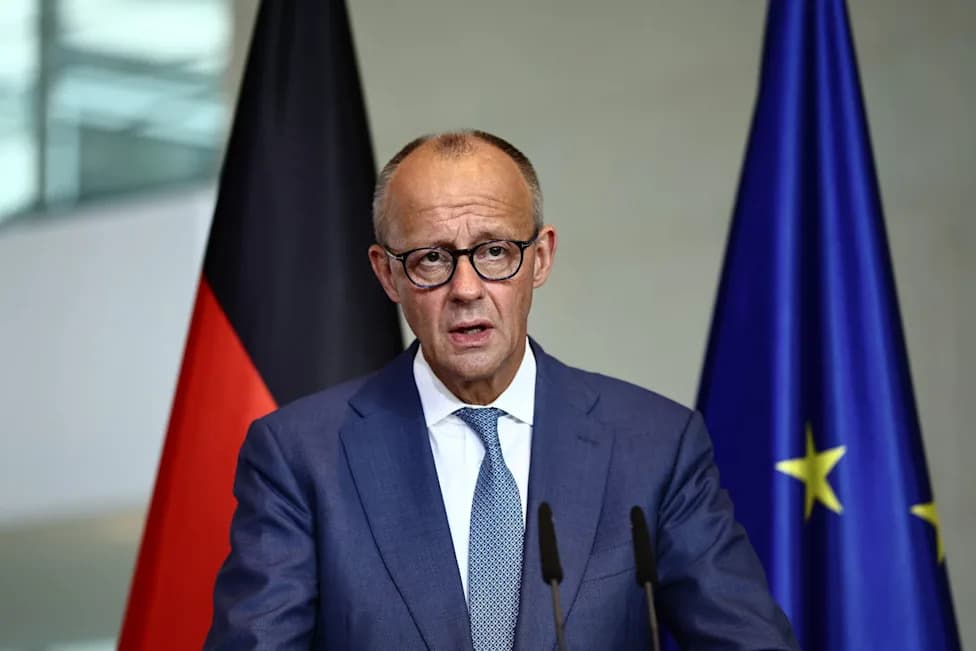
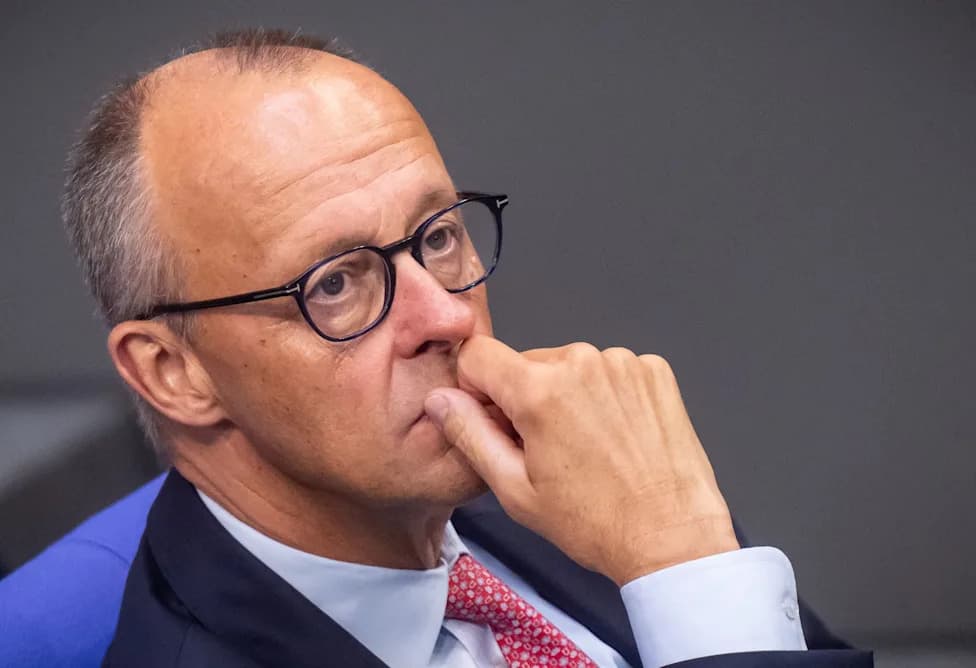
FILE PHOTO - Steffen Bilger, First Parliamentary Secretary of the Christian Democratic Union (CDU), arrives at the party headquarters, the Konrad-Adenauer-Haus, for a meeting of the CDU Federal Executive Committee. (is associated with: «Steffen Bilger named transport minister in Merz cabinet reshuffle») Michael Kappeler/dpa
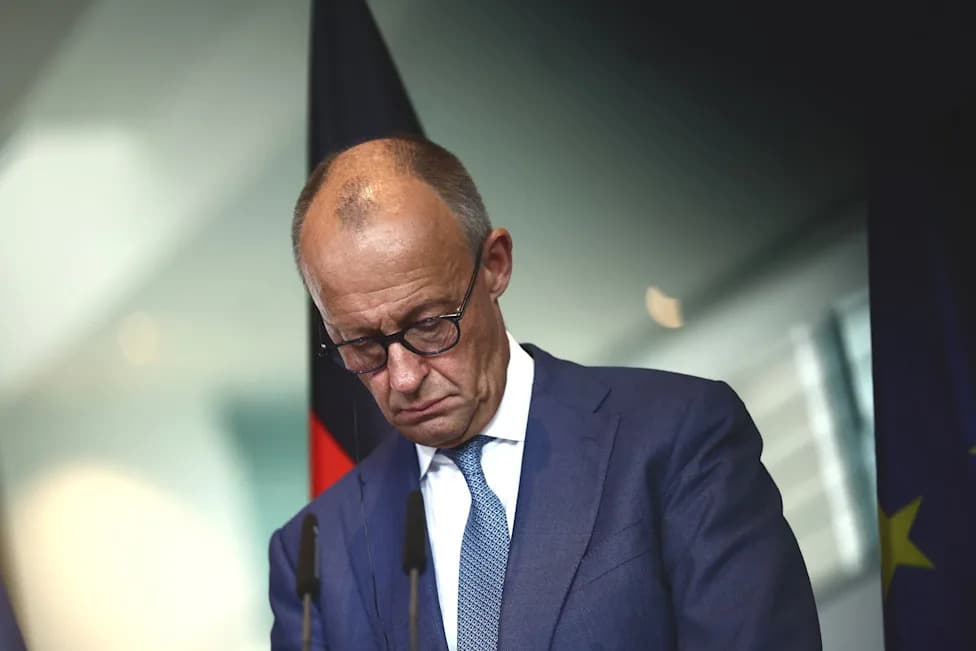
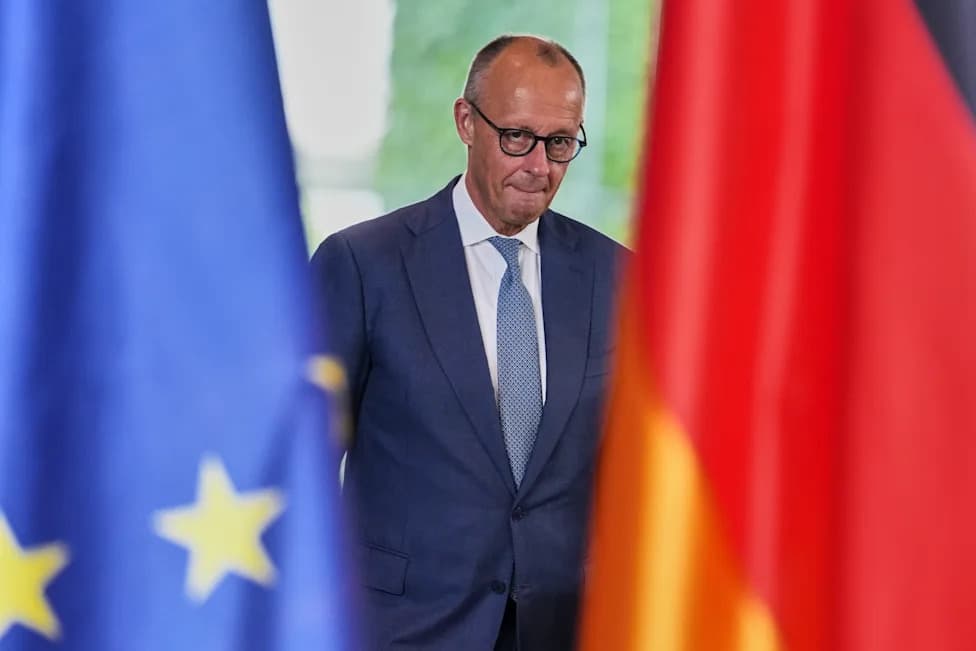
Chancellor Friedrich Merz on Sunday appointed Steffen Bilger as Germany's new transport minister, replacing Patrick Schnieder, who requested dismissal amid mounting speculation about a broader cabinet reshuffle.
The move has intensified criticism of Merz, with opponents calling his handling of Schnieder a "communication disaster" after the chancellor admitted he was considering wider changes to his cabinet. Many in the CDU, particularly in Schnieder's home state of Rhineland-Palatinate, responded with surprise and frustration.
Who Is Steffen Bilger? Bilger, 47, is a long-serving CDU politician with relevant experience in transport policy. He was Parliamentary State Secretary at the transport ministry from March 2018 to December 2021, has served on the Bundestag's Transport Committee, and since May 2025 has held the influential post of First Parliamentary Secretary of the CDU/CSU parliamentary group in the Bundestag. He has represented the Ludwigsburg constituency in Baden-Württemberg since 2009.
The Schnieder Departure Facing the prospect of removal as part of the reshuffle, Patrick Schnieder asked to be dismissed earlier on Sunday. "With this step, I am drawing the necessary conclusions from the developments of the past few days and, at the same time, wish to put an end to the undignified situation that is making it impossible to carry out the necessary, objective work," Schnieder said in a statement to dpa.
"We do not understand the chancellor," said CDU lawmaker Michael Ludwig, describing the party's Rhineland-Palatinate branch as "in a state of shock" and the mood as "well below zero."
Wider Political Context The cabinet changes follow recent turmoil in Merz's conservative-led government after Jens Spahn resigned as parliamentary group leader amid controversy over his use of a surrogate in the United States. Spahn's resignation set off a chain of portfolio moves, including Thorsten Frei replacing Spahn and Nina Warken moving into the health brief. Reports that CDU economic expert Fritz Güntzler had declined the transport post added to uncertainty and internal frustration with the chancellor's handling of the reshuffle.
Immediate Priorities for the New Minister Bilger inherits a demanding brief, with the national rail operator Deutsche Bahn at the top of the agenda. Key elements of a rail strategy presented last year by Schnieder remain unimplemented; Bilger is expected to set clearer state guidelines for the company. Major challenges include:
- Refurbishing a dilapidated rail network, a process likely to take years;
- Improving Deutsche Bahn's poor punctuality record;
- Securing funding for construction and line upgrades;
- Pursuing reforms such as changes to the rail toll system and measures to make driving licences more affordable.
Political Stakes The cabinet reshuffle comes ahead of three pivotal state elections in September, where polls suggest the CDU could lose significant ground to the far-right Alternative for Germany (AfD). The party's handling of internal changes and public perception of Merz's leadership will be critical in the run-up to those contests.
Bilger arrives with a mix of practical ministry experience and parliamentary influence. Whether he can quickly translate that into concrete progress on Deutsche Bahn and other transport priorities will be a key test for both his ministry and the Merz-led government.
Help us improve.