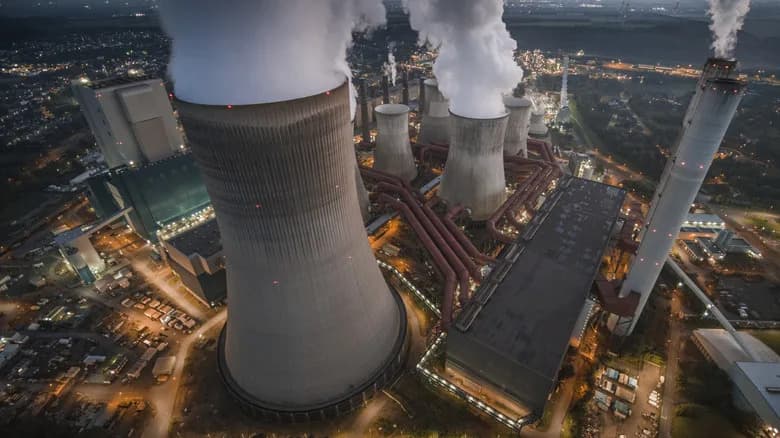
Global coal consumption reached a record 166.0 EJ in 2025, up 0.7% year‑on‑year, even as coal‑fired power output fell 0.3% to 10,511 TWh. Asia Pacific — led by China and India — accounted for more than four‑fifths of coal use. The United States saw a notable rebound, but remains far below its historical peaks. The data reveal a split market: declining coal use in many developed economies versus persistent reliance in parts of Asia.
Record Global Coal Use in 2025 Masks a Divided Market — Coal Power Falls as Industrial Demand Rises
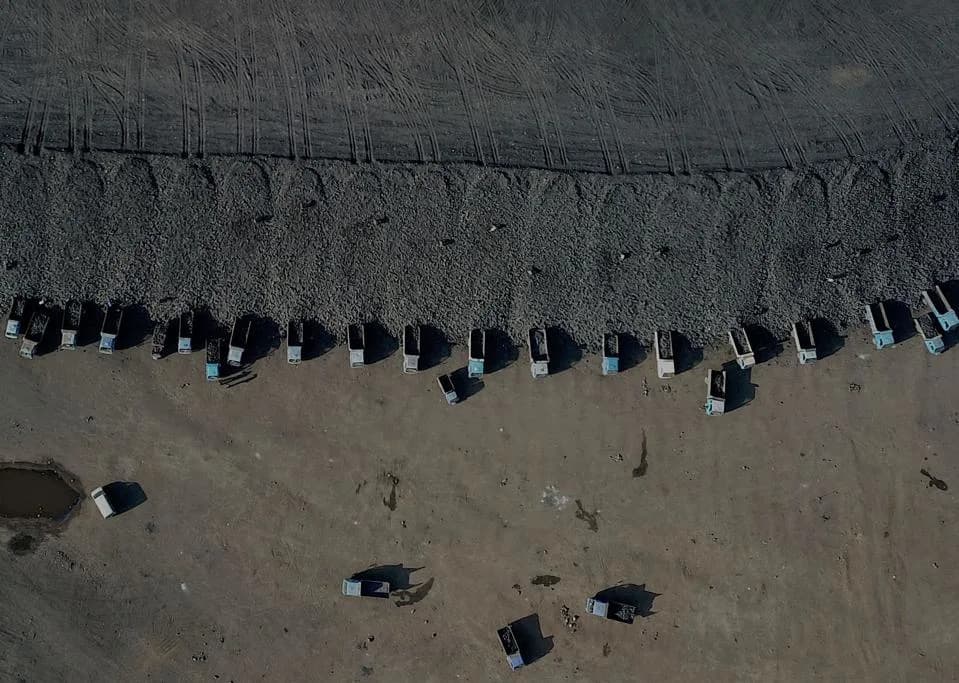
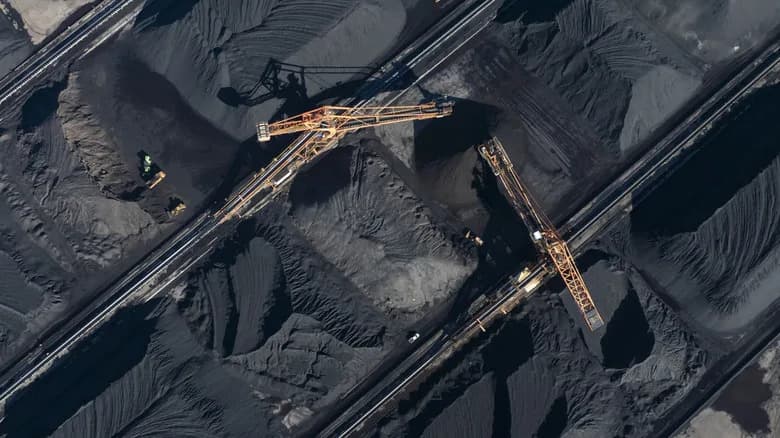
TOPSHOT - This aerial view shows coal being loaded onto trucks near a coal mine in Datong, China's northern Shanxi province on November 2, 2021. (Photo by Noel Celis / AFP) (Photo by NOEL CELIS/AFP via Getty Images)AFP via Getty Images
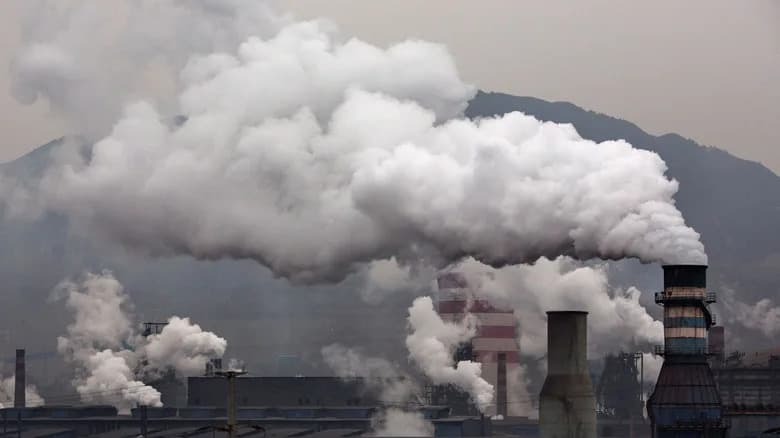
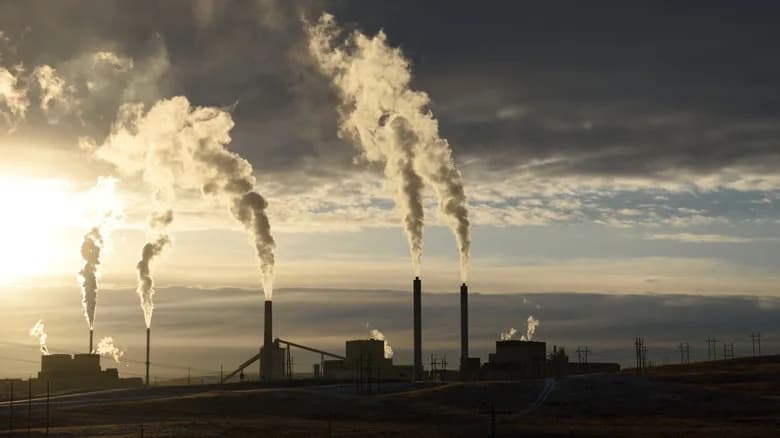
Global coal consumption hit a new high in 2025, but the headline figure conceals two very different trends: coal-fired electricity production edged down while industrial and non-power uses supported overall growth.
The Big Picture
The latest Statistical Review of World Energy reports global coal use at 166.0 exajoules in 2025, up 0.7% from 2024. At the same time, coal-fired electricity generation fell 0.3% to 10,511 terawatt-hours. That apparent contradiction reflects the fact that coal is used not only for power but also for steelmaking, cement and other industrial processes.
Regional Concentration
Asia Pacific dominated coal consumption, using 138.1 EJ — or 83.2% of the global total. China alone accounted for 92.2 EJ (about 55.6% of the world), and India added 23.1 EJ (13.9%). China and India together made up nearly 70% of global coal use; adding Indonesia brings the three countries to roughly 73%.
Power Generation vs Industrial Demand
Coal-fired generation fell in several large markets: China produced 5,756 TWh from coal (down 1.1%), and India's coal generation dropped to 1,464 TWh (down 3.0%). Across Asia Pacific, coal generation declined 1.2%, while Europe posted a 3.4% reduction. The European Union's coal generation fell 3.6%, amounting to only 2.6% of the global total.
These declines in power generation were offset by rising industrial coal demand and other factors — changes in plant efficiency, coal quality, inventory movements and measurement differences — that kept overall consumption at a record level.
Developed Vs Developing Economies
Non‑OECD countries consumed 85.2% of global coal in 2025. Over the past decade non‑OECD coal use grew at an average annual rate of 1.9%, while OECD consumption declined about 4.8% per year. Europe accounted for just 4.4% of world coal use and the EU only 2.8%, underscoring the geographic divide driving the market.
The U.S. Exception
The United States bucked the broader developed-world decline: U.S. coal consumption rose 10.4% to 8.7 EJ, coal-fired generation jumped 13.1% to 804 TWh, and production rose 4.4%. In absolute terms U.S. consumption increased by roughly 0.8 EJ — larger than the global net increase of about 0.7 EJ. Even so, U.S. coal remains far below historical peaks (about 62% below its 2005 consumption peak).
Production and Trade
Global coal production stayed near record levels at 180.8 EJ but was essentially flat in 2025. China increased production by 1.7% and supplied 52.4% of the world total; its imports fell 10.1%, suggesting domestic output displaced some imports. International coal trade declined 3.1% to 35.3 EJ. Major exporters saw declines: Indonesia -7.4%, U.S. -11.5%, and Colombia -21.3%.
Implications
The 2025 data show that coal is neither disappearing globally nor uniformly resurging. Instead, the market has split: many developed economies are steadily cutting coal use while select Asian economies continue to rely heavily on it for industry and power.
Policy and investment decisions will be shaped by that divergence. Rapid growth in renewables (nearly 10% increase in renewable supply in 2025) coexists with record coal consumption because global energy demand is still rising. Managing emissions while supporting industrial development — particularly in Asia — remains the central challenge for the energy transition.
Help us improve.