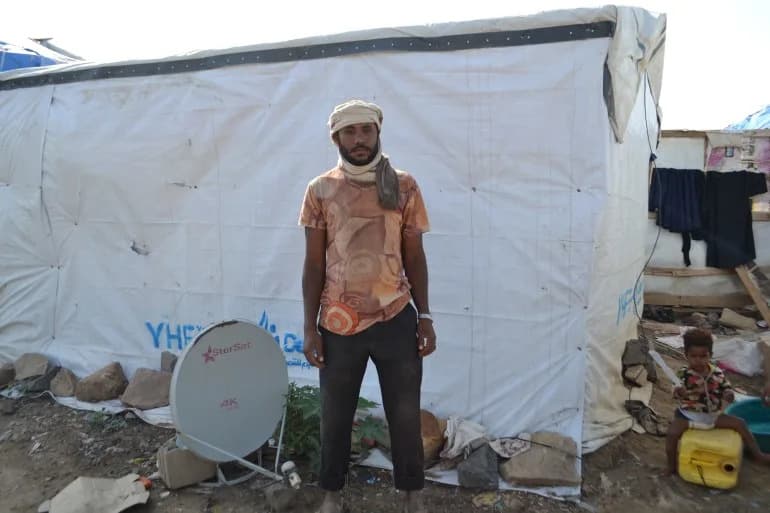
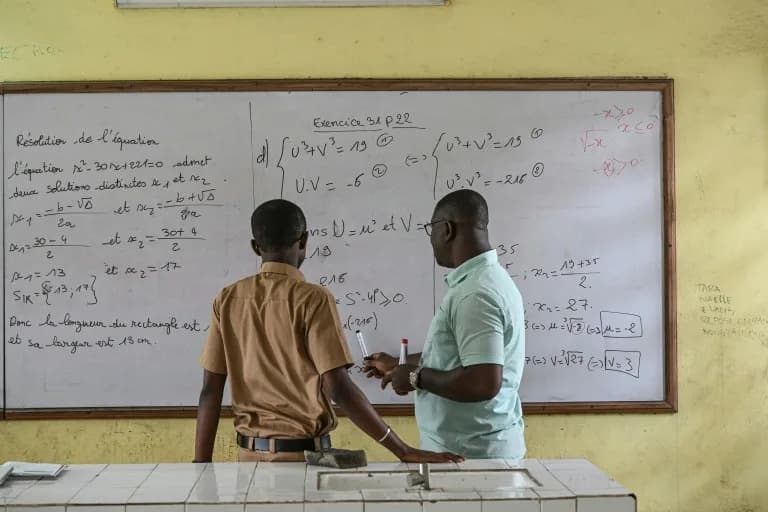
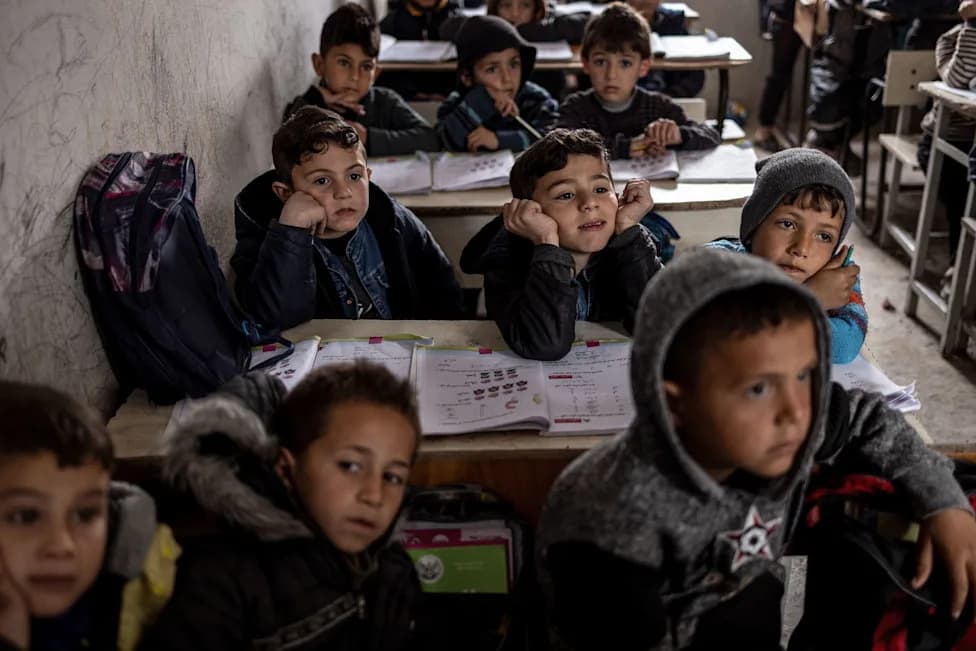
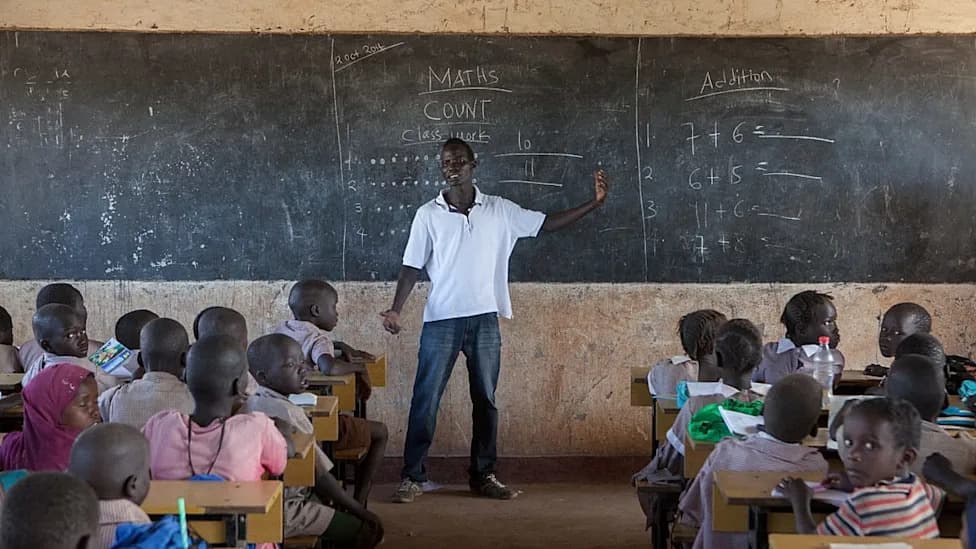
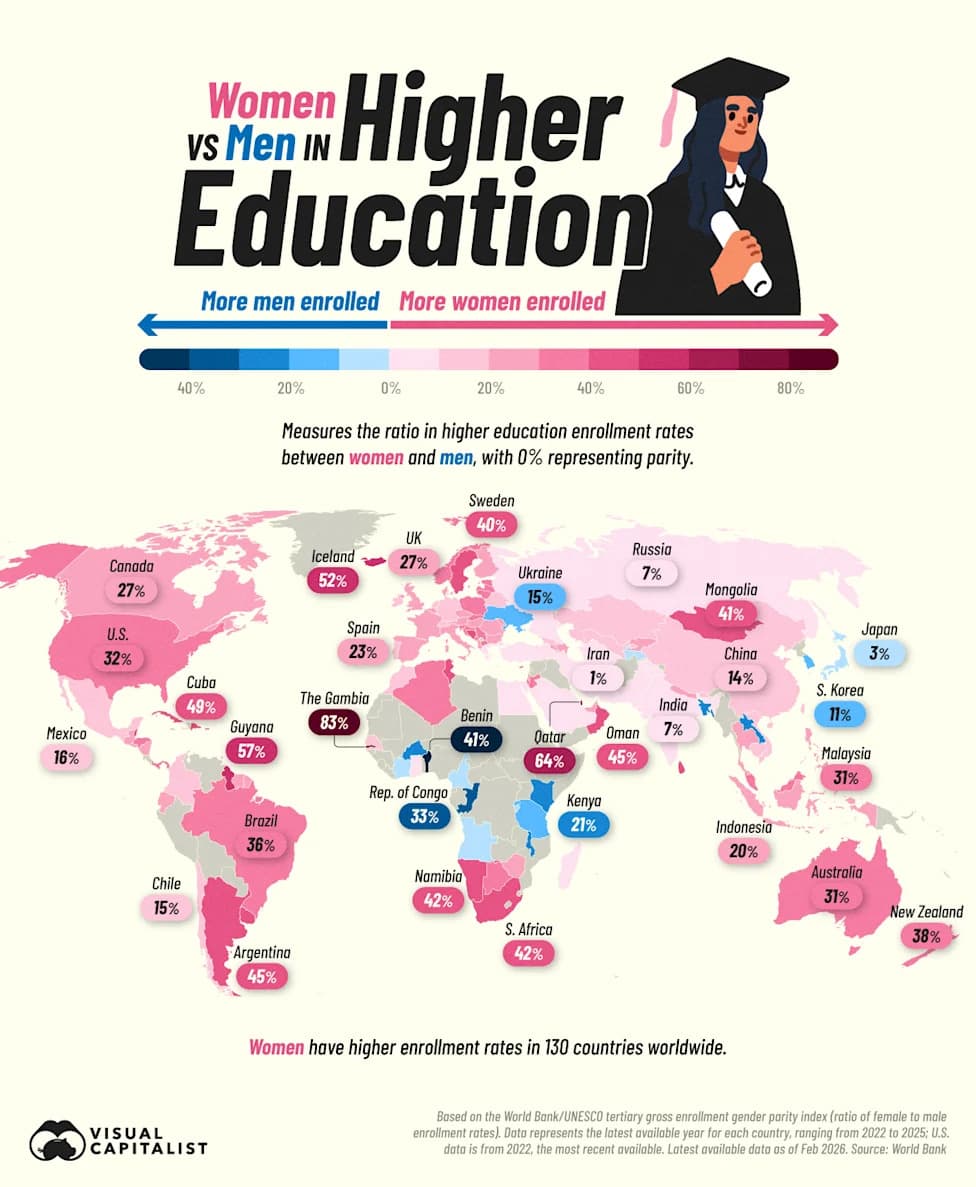
In 2026 global literacy remains highly uneven: eight countries report adult literacy rates below roughly 40%, driven by conflict, extreme poverty and underfunded education systems. Chad, South Sudan and Mali are among the lowest, often with average schooling under three years. By contrast, Norway, Finland and Andorra report near-universal adult literacy thanks to compulsory schooling and high per-student investment. Niger’s recent reported jump from about 19% to 38% illustrates that rapid progress is possible when resources and political will align.
Global Literacy in 2026: The Eight Lowest and Three Highest Performers
Image credits: Pexels
Literacy underpins public health, economic growth and political stability. In 2026 the divide between countries with near-universal adult reading skills and those where fewer than one in three adults can read remains stark. This report profiles the eight countries with the lowest adult literacy rates—most affected by conflict, poverty or long-term underinvestment in education—and highlights three nations that have effectively achieved universal adult literacy.
1. Chad
Chad consistently ranks at the bottom of global literacy lists, with recent estimates placing adult literacy at roughly 27 percent. Adults in Chad average about 2.3 years of schooling, which helps explain weak basic reading proficiency. Chronic poverty and limited state capacity—reflected in government education spending of roughly 2.6% of GDP—constrain classroom construction, teacher training and learning materials.
2. South Sudan
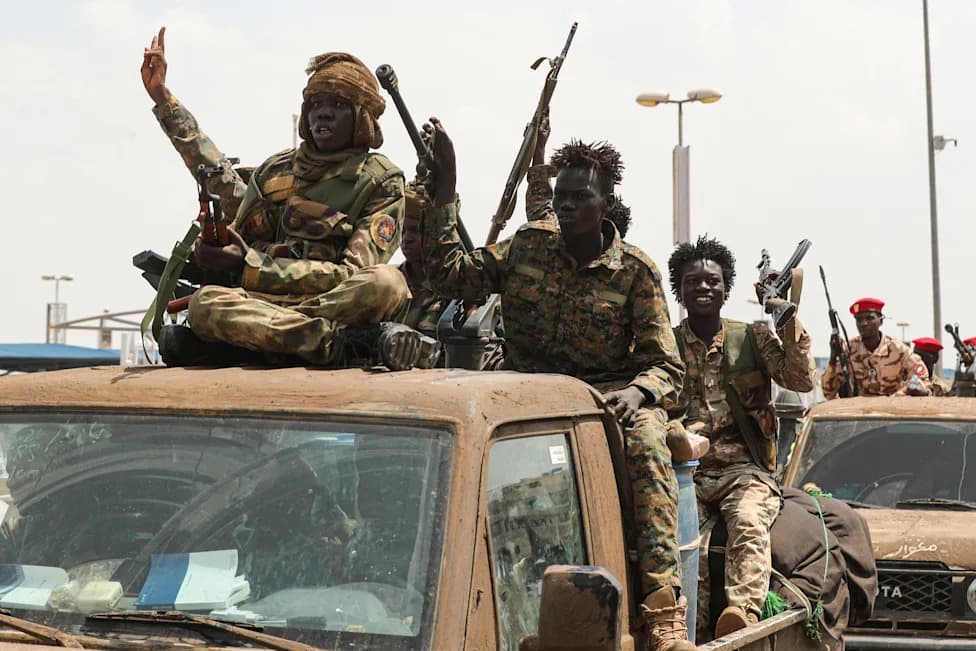
South Sudan's adult literacy rate remains near 34.5%. Prolonged conflict, floods, COVID-19 disruptions and economic collapse have stalled progress. International support has produced fragile gains: the UK-backed Girls' Education South Sudan programme delivered cash transfers to about one million girls since 2014, and follow-up initiatives continued into 2024–25. Youth literacy (ages 15–24) is only marginally higher than the adult rate, and gender gaps in schooling persist.
3. Mali
Mali's adult literacy is around 31%, with the average adult completing roughly 1.6 years of schooling. Government per-capita education spending is very low—reported at under $10 annually—which limits access to schools, trained teachers and learning materials. Rural regions, in particular, face acute shortages as resources concentrate in Bamako and other urban centers.
4. Central African Republic
The Central African Republic (CAR) reports an adult literacy rate near 37.5%. Decades of instability have damaged education infrastructure, especially outside Bangui. Large-scale displacement means many children go years without nearby schools; sustained peace and long-term investment are required to rebuild functioning education systems.
5. Afghanistan
Afghanistan's adult literacy is estimated at about 37.3%, making it the only Asian country among this group. Persistent conflict, restrictive social norms and a weakened education system limit access—particularly for girls. Restrictions on female education depress female literacy and therefore the national average; rebuilding will require long-term stability and restored teacher capacity.
6. Niger
Niger shows one of the most notable recent improvements: reported adult literacy rose from about 19.1% to roughly 38%. While this suggests meaningful policy progress, underlying challenges remain severe. Adults in Niger average only about 1.4 years of schooling, and issues such as high child-marriage rates, teacher shortages and sparse rural infrastructure continue to threaten future gains.
7. Burkina Faso
Burkina Faso's adult literacy is around 34.5%. Overcrowded classrooms, high student-to-teacher ratios and a large urban–rural attendance gap (attendance in rural areas is much lower than in metropolitan zones) help explain the shortfall. The government has launched national literacy programs and initiatives to improve girls' education, but expanding insecurity in parts of the Sahel has forced school closures and complicated implementation.
8. Somalia
Somalia's adult literacy stands near 37.8%. Decades of civil conflict, weak central governance and repeated humanitarian crises have made it difficult to establish a stable, countrywide school system. Recurrent displacement, drought and food insecurity repeatedly interrupt fragile educational progress.
Top Performers: Norway, Finland and Andorra
At the other end of the spectrum, Norway and Finland report effectively universal adult literacy (about 100%), and Andorra likewise reports near-universal rates. These outcomes reflect compulsory schooling, high per-student investment and robust teacher training. Finland, for example, spends roughly 7% of GDP on education and has extremely low upper-secondary dropout rates (under 5%), while Norway ensures compulsory education from ages 6 to 16 and sustained investment in remote regions.
What the Numbers Tell Us
Across low-literacy countries, the most consistent predictors are conflict, chronic underfunding of education and entrenched gender inequality. Conversely, political stability, compulsory schooling and sustained per-student investment correlate strongly with near-universal literacy. Importantly, recent improvements in places like Niger show that large gains are possible when governments and partners commit resources and political will.
Bottom line: Literacy progress is uneven but reversible—peace, targeted funding and policies that prioritise girls’ education are central to unlocking rapid gains.
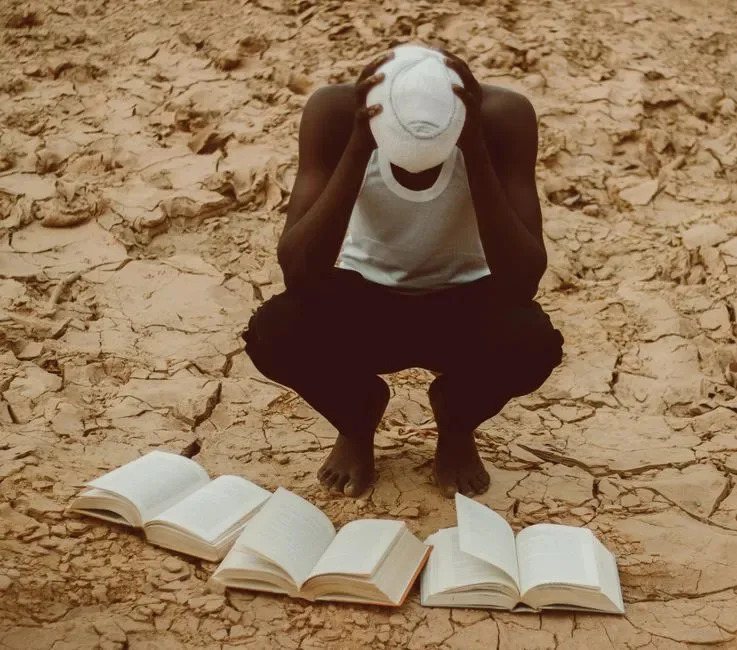
1. Chad (Image Credits: Pexels)
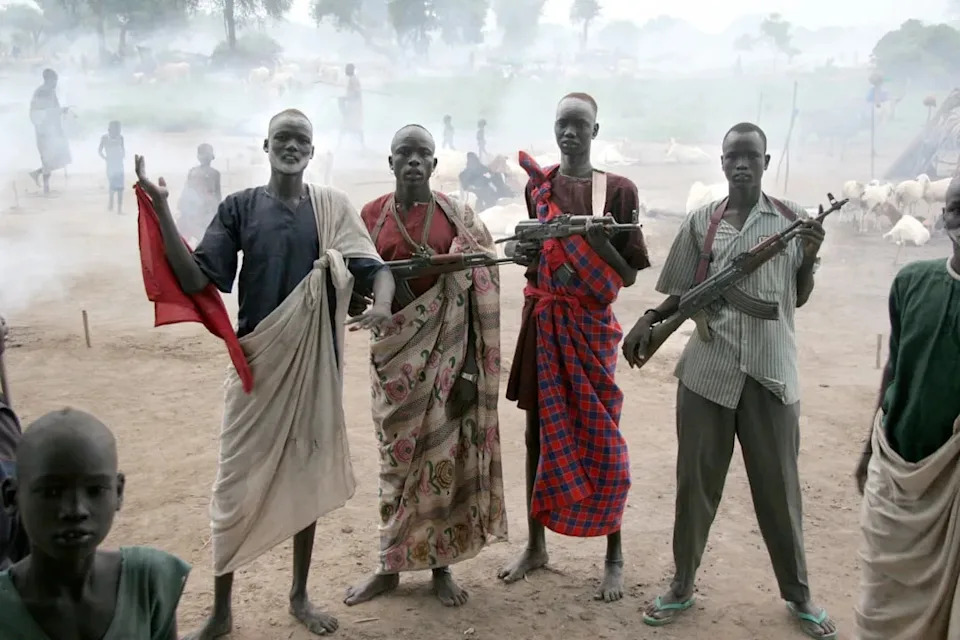
2. South Sudan (Image Credits: Unsplash)
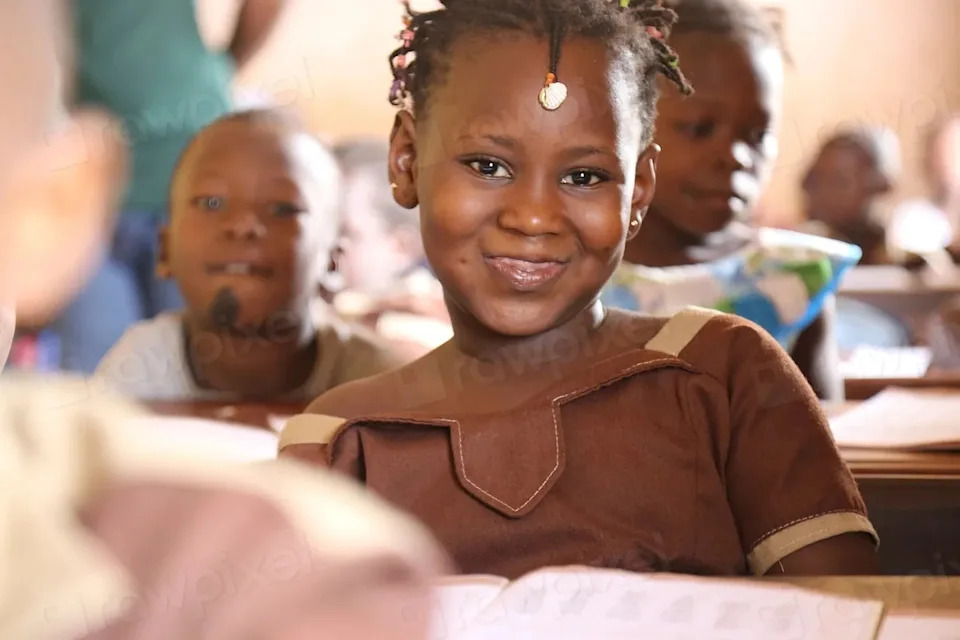
3. Mali (Image Credits: Rawpixel)
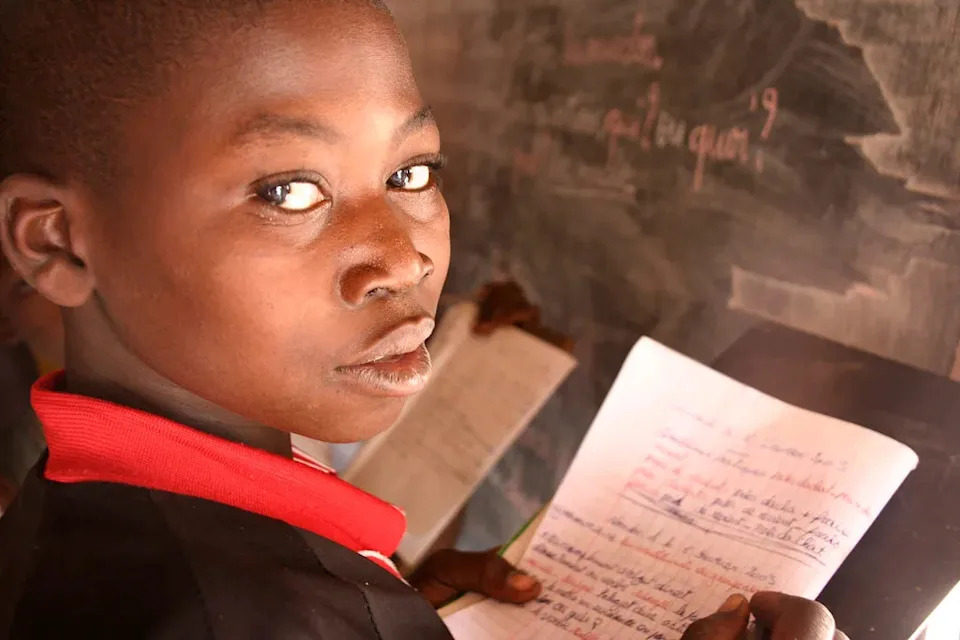
4. Central African Republic (DFID – UK Department for International Development, Flickr,CC BY-SA 2.0)
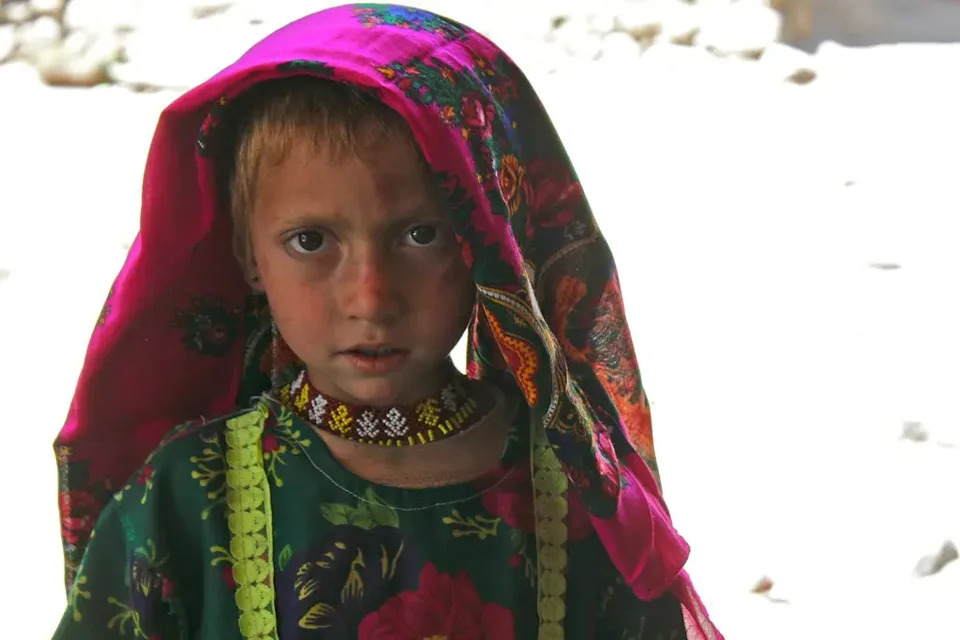
5. Afghanistan (Todd Huffman, Flickr,CC BY 2.0)
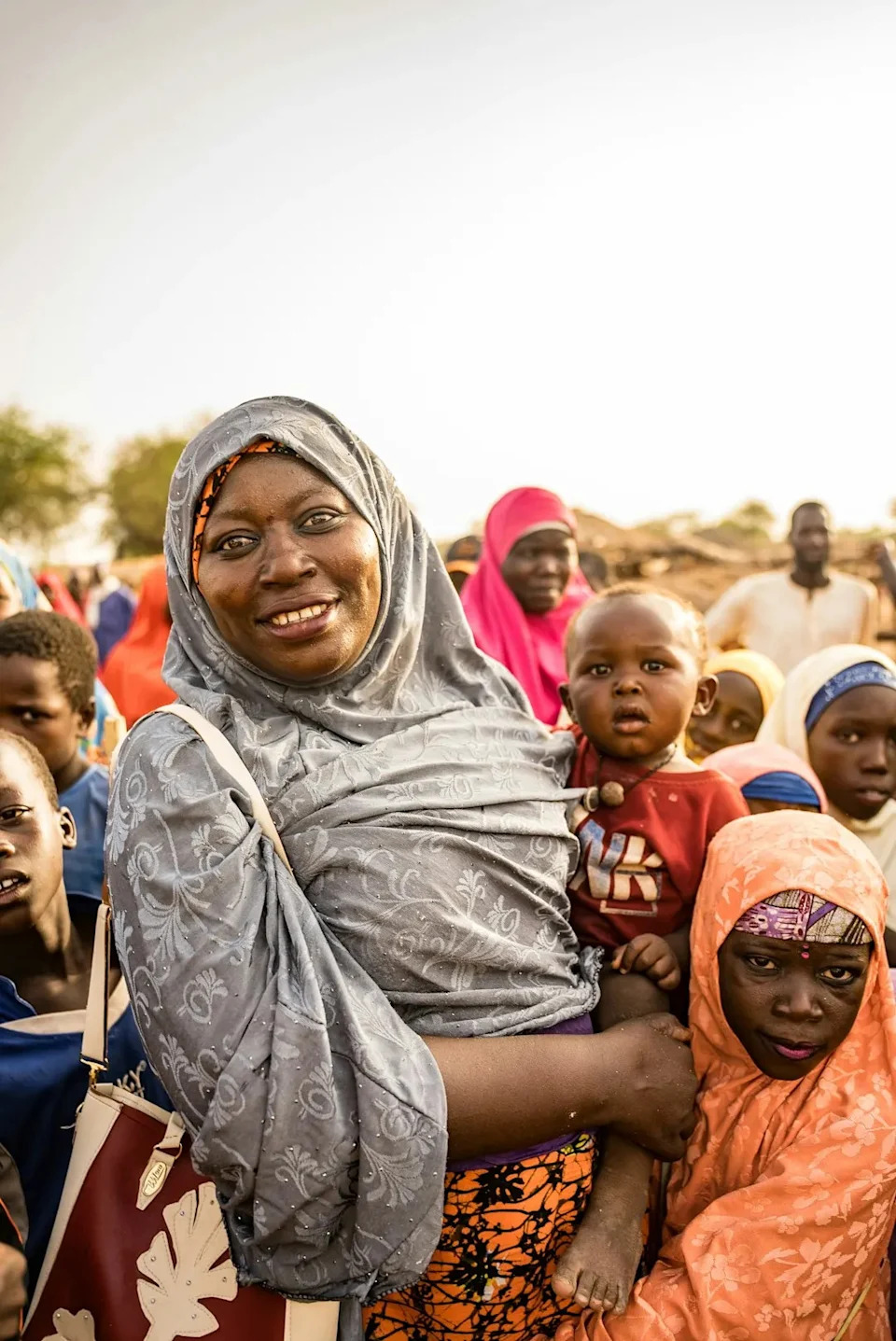
6. Niger (Image Credits: Unsplash)
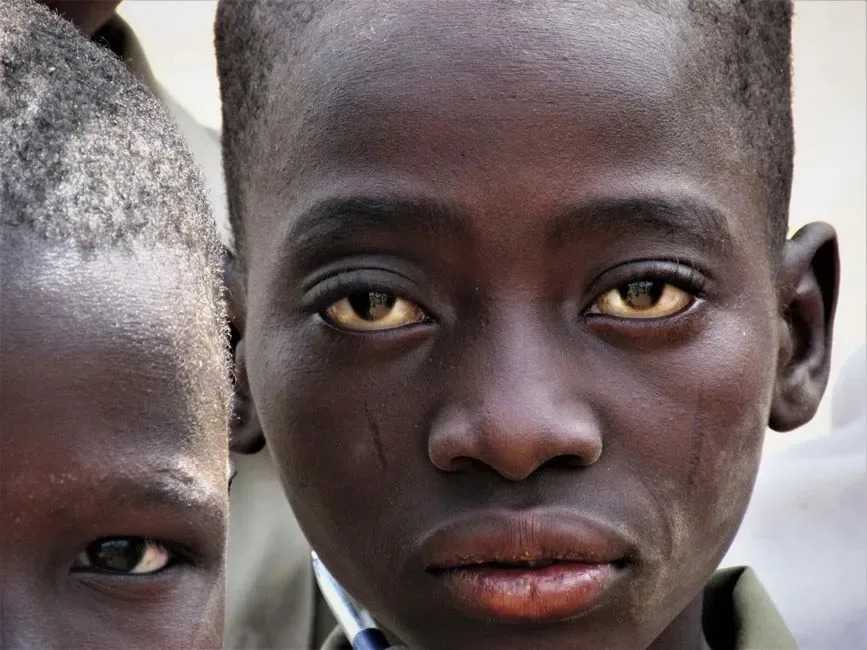
7. Burkina Faso (Image Credits: Pexels)
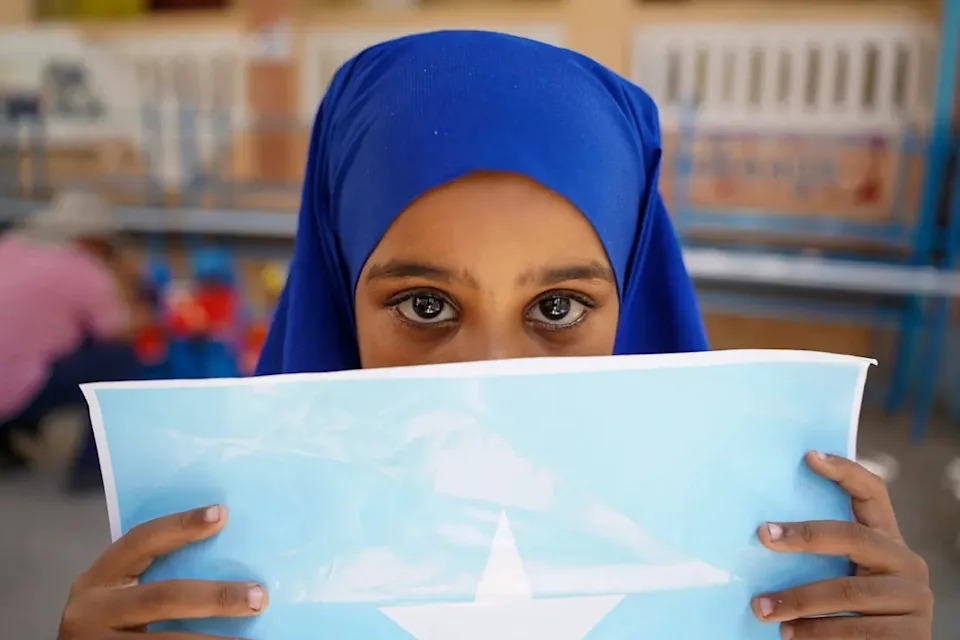
8. Somalia (Image Credits: Unsplash)
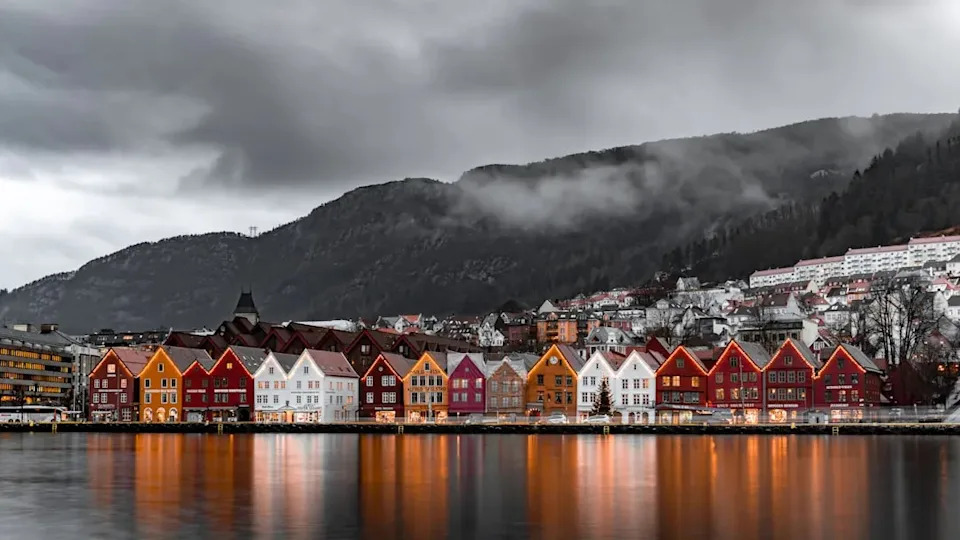
9. Norway (Image Credits: Unsplash)
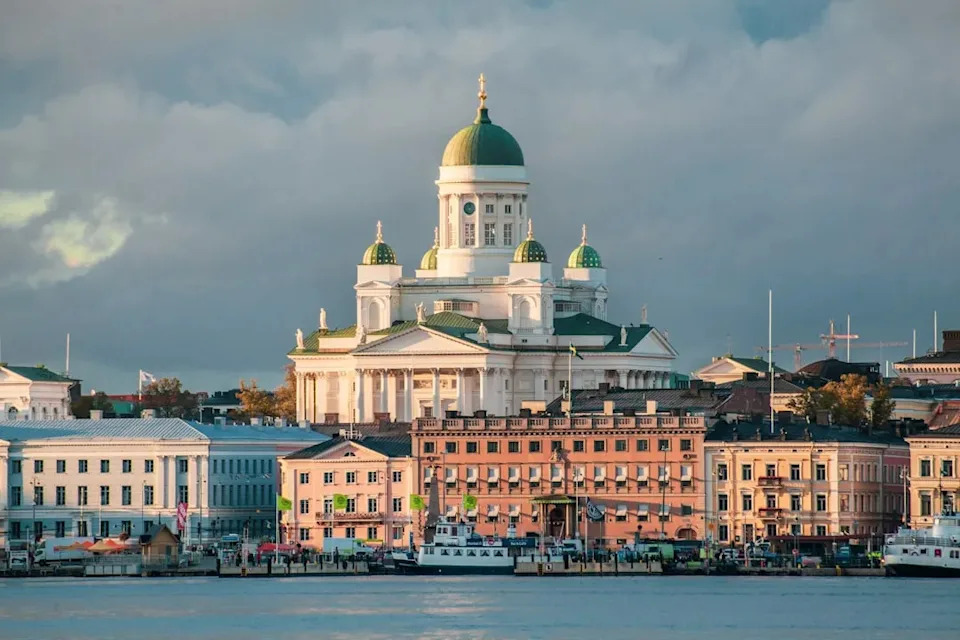
10. Finland (Image Credits: Unsplash)

11. Andorra (Image Credits: Pexels)
Help us improve.