The UN refugee agency warns a worsening funding shortfall could push millions of refugee children out of school by undermining education programmes. Last year 5.8 million refugee children — 44% of an estimated 13.1 million — were not in school, while only about one in three accessed secondary education. Higher education access rose to a record 11% of eligible refugee students in 2025, but UNHCR needs $8.5 billion for operations and has secured only about one-third. Donor cuts, including planned reductions by Germany in 2027, risk reversing recent gains.
UN: Funding Shortfall Could Push Millions of Refugee Children Out of School
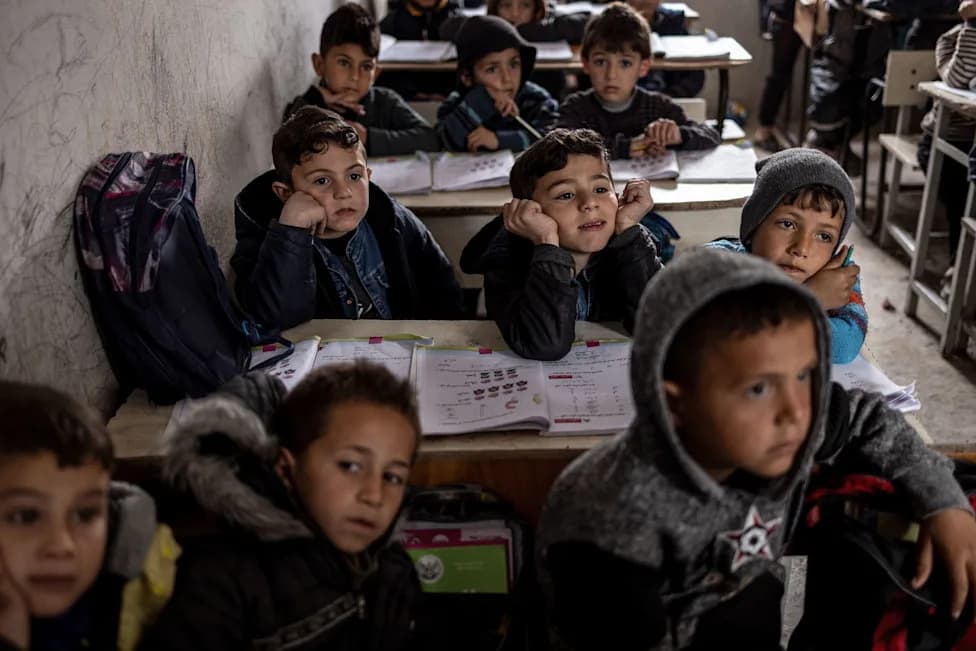
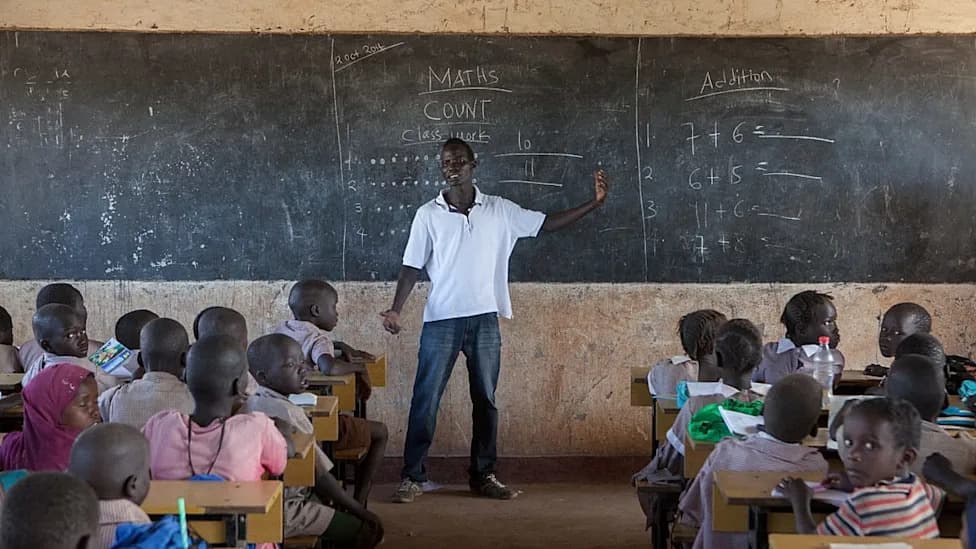
FILE PHOTO - Syrian children, mostly orphans, attend a class at the school of Mashhad Ruhin camp. Mashhad Ruhin camp, formerly known as the "Widow's Camp", hosts hundreds of Syrian refugees in northwest Syria, most of whom are widows, single women with children and people with disabilities. (is associated with: «UN: Funding crisis risks education for millions of refugee children») Anas Alkharboutli/dpa
The UN refugee agency has warned that a deepening funding crisis could force millions of refugee children out of school by undermining education programmes in displacement settings.
Key Findings
UNHCR reports that 5.8 million refugee children and young people — about 44% of an estimated 13.1 million worldwide — were not in school last year. While at least two in three refugee children attended primary school, only around one in three had access to secondary education.
Despite those gaps, access to higher education improved: for the first time, more than 450,000 refugee students enrolled in universities or vocational institutions in 2025, representing 11% of eligible students (up from 9% in 2024).
"Education gave me opportunities that displacement might otherwise have denied me," said UN High Commissioner for Refugees Barham Salih. Salih, who was born in Iraq, attended a refugee school as a child after fleeing to Iran with his family and later studied in Britain.
UNHCR says it needs $8.5 billion to fund its operations this year but has secured only about one-third of that total. Numerous countries have trimmed development aid, and Germany — a major donor — is set to reduce its development budget again in 2027, marking a fifth consecutive year of cuts. The agency warns that sustained cuts to education funding could reverse decades of progress and close off opportunities for a generation of displaced young people.
Why It Matters
Reduced financing risks fewer classrooms, fewer trained teachers, interruptions to learning, and diminished pathways to higher education and livelihoods for refugee children and youth already facing extreme disruption. UNHCR and partners are calling on governments, donors and private funders to maintain and increase support for refugee education to protect recent gains and enable longer-term solutions.
Help us improve.