The Cockroach Janata Party (CJP) suspended its Jantar Mantar protest after Education Minister Dharmendra Pradhan resigned, a move seen as a political setback for the BJP. Protesters demanded compensation for families of students who died after exam leaks and the withdrawal of criminal cases; the government pledged "maximum possible" compensation under the rules. The movement plans to regroup, broaden its agenda beyond education and pursue grassroots organising, while arrests and legal disputes continue in several states.
After Pradhan’s Exit: What’s Next for India’s ‘Cockroach’ Youth Movement?
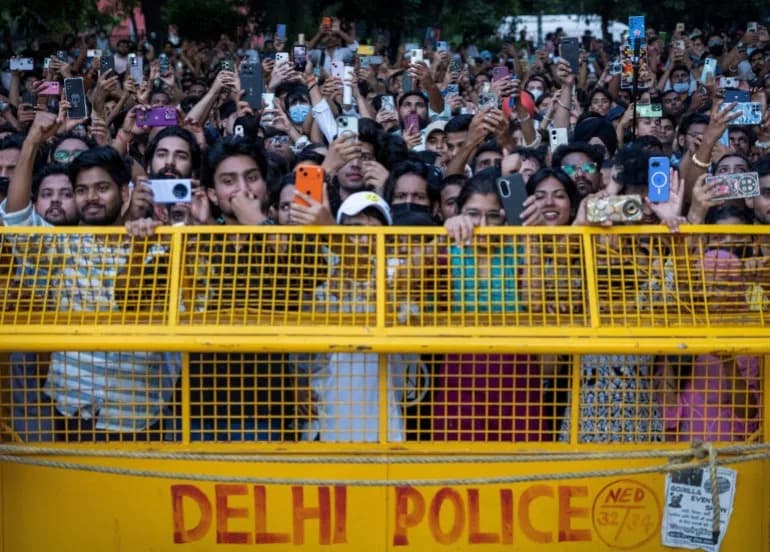
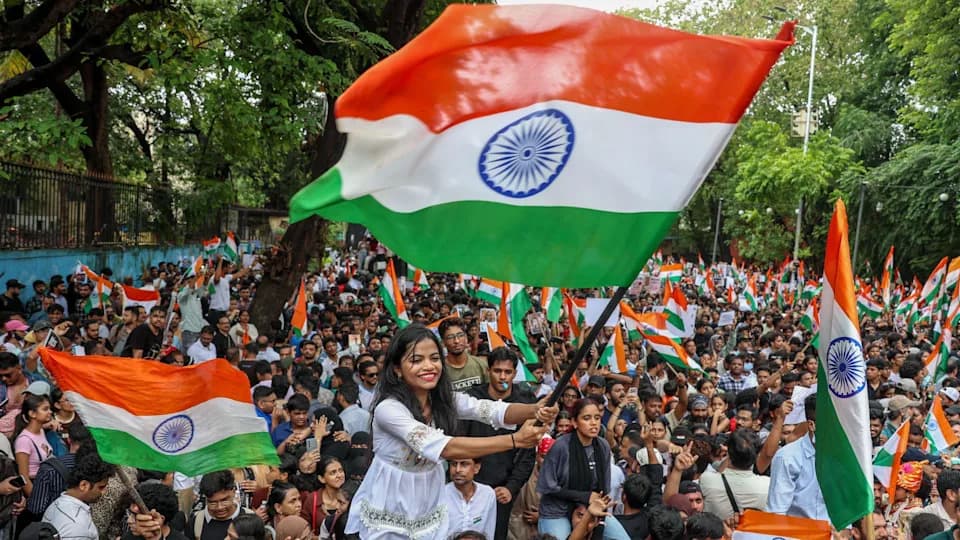
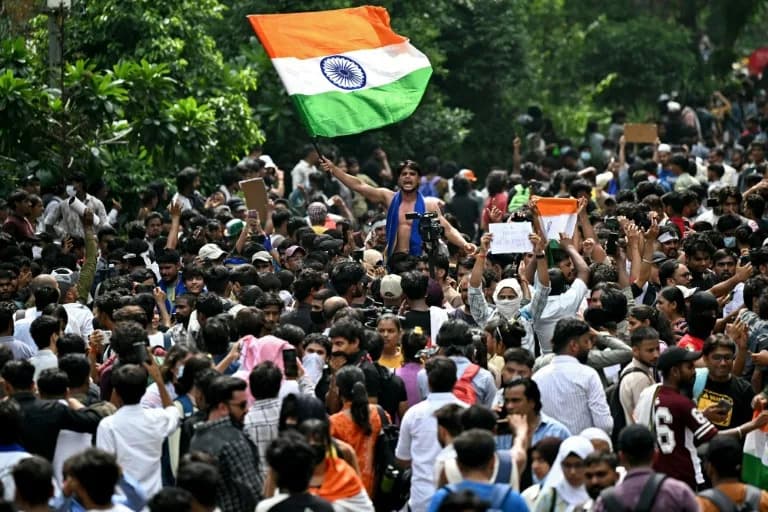
CJP supporters celebrate after Education Minister Dharmendra Pradhan resigned following days of protests, in New Delhi, India, July 25, 2026 [Adnan Abidi/Reuters]
New Delhi — Midnight fell quietly over Jantar Mantar and the adjoining Parliament Street after the Cockroach Janata Party (CJP) suspended its sit-in following Education Minister Dharmendra Pradhan’s resignation. For days, thousands of students and young people had camped near India’s Parliament calling for education reform and accountability after a wave of exam paper leaks and cancellations disrupted millions of students’ lives.
Analysts say Pradhan’s departure is being read as a significant setback for the Bharatiya Janata Party (BJP)-led government and a dent in Prime Minister Narendra Modi’s strongman image. Municipal crews later moved in with paint rollers and buckets to erase protest murals and slogans around Jantar Mantar.
Key Demands and Partial Concessions
The protesters’ two central demands — Pradhan’s removal and monetary compensation for families of students who died by suicide after exam irregularities — framed the movement. The CJP sought 10 million rupees (about $105,000) for each of roughly 20 families. At a joint news conference the government pledged to provide "whatever maximum possible" compensation under existing rules.
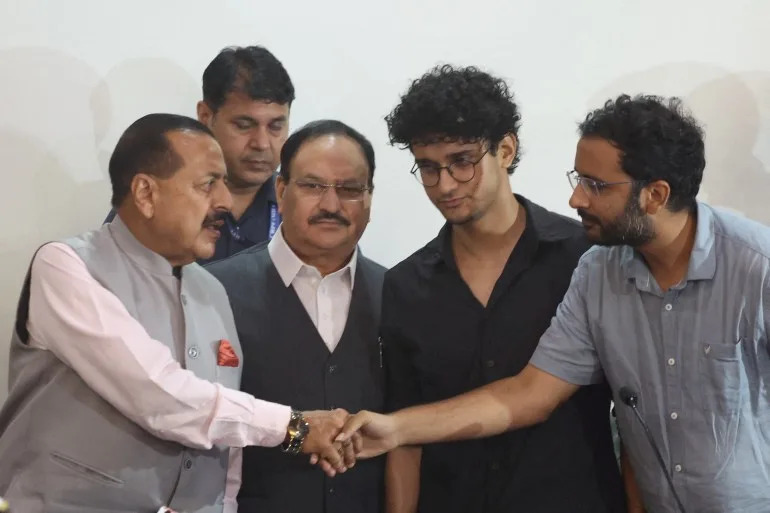
Left to right, federal ministers Jitendra Singh and JP Nadda, with CJP leaders Saurav Das and Ashutosh Ranka at a news conference in New Delhi, July 25, 2026 [Bhawika Chhabra/Reuters]
After a violent police response on July 20 that left more than 100 demonstrators injured, the CJP added two further demands: that no criminal cases be pursued against protest organisers or participants, and a public apology from Delhi Police and the Rapid Action Force. Government ministers told the CJP that criminal cases would not be pursued in states governed by the BJP and that existing cases would be withdrawn, though arrests continued in other states.
Aftermath: Crackdowns, Arrests and Legal Threats
Footage recorded by protesters during the July 20 crackdown has been used by CJP leaders to identify officers they say used excessive force; the group has said it will pursue legal action against those officers. Media reports cited arrests in several BJP-ruled states: at least 11 people (10 reported as Muslim) detained in West Bengal with seven cases filed; six detained in Assam after attempts to hold solidarity demonstrations; and three people injured in Bihar after police opened fire on protesters.
How the CJP Sees the Road Ahead
The CJP — formed in May after founder Abhijeet Dipke’s viral post on X invoking the term "cockroaches" in response to derogatory remarks by a senior judge about unemployed youth — has not published a clear, long-term roadmap. Dipke, who is from a Dalit background, and other leaders have suggested the movement may broaden beyond education, focus on single issues at a time and build grassroots organising.
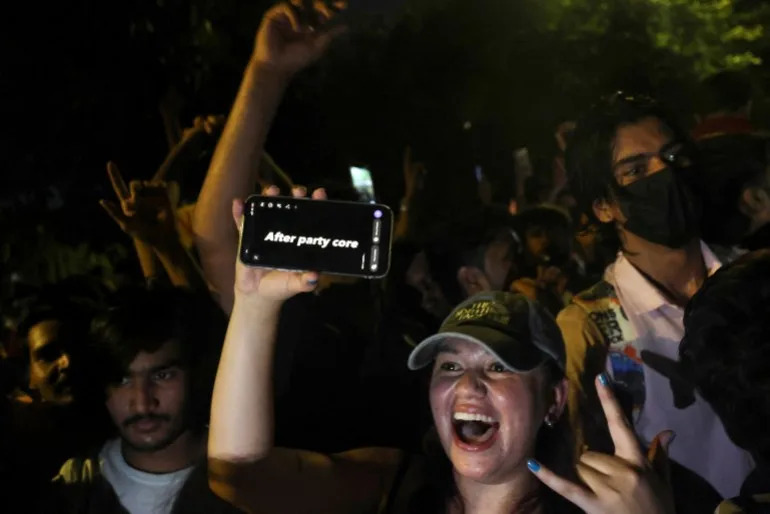
Celebrations after Pradhan's resignation at Jantar Mantar, New Delhi, July 25, 2026 [Priyanshu Singh/Reuters]
“This is not the end. We will meet again soon,” said Dipke at Jantar Mantar as the sit-in ended.
Spokespeople such as Vaishnavi Gaur have said the group will consult civil society and ordinary citizens through town-hall-style meetings. CJP members say converting the movement into a formal political party would be a major decision and that, for now, they plan to "rest and regroup" and concentrate on building capacity.
Political Responses
Opposition leaders seized on the protests to demand accountability. Rahul Gandhi called for action against those responsible for violence on July 20 and urged Parliament to press the government for an apology. Other opposition figures, including Akhilesh Yadav, praised the youth activists and called for stronger measures to prevent exam leaks and expand employment opportunities.
Analysts caution that CJP leaders largely come from communications backgrounds rather than established political careers, and their next steps remain uncertain. The movement’s ability to sustain momentum will depend on its organisational capacity, how it handles legal and political pressure, and whether it can translate protest energy into focused campaigns at the grassroots.
For now, the CJP has succeeded in forcing a senior minister’s resignation and drawing national attention to education-sector failures and police conduct. Whether that momentum becomes a lasting political force or a recurring protest movement remains the key question.
Help us improve.