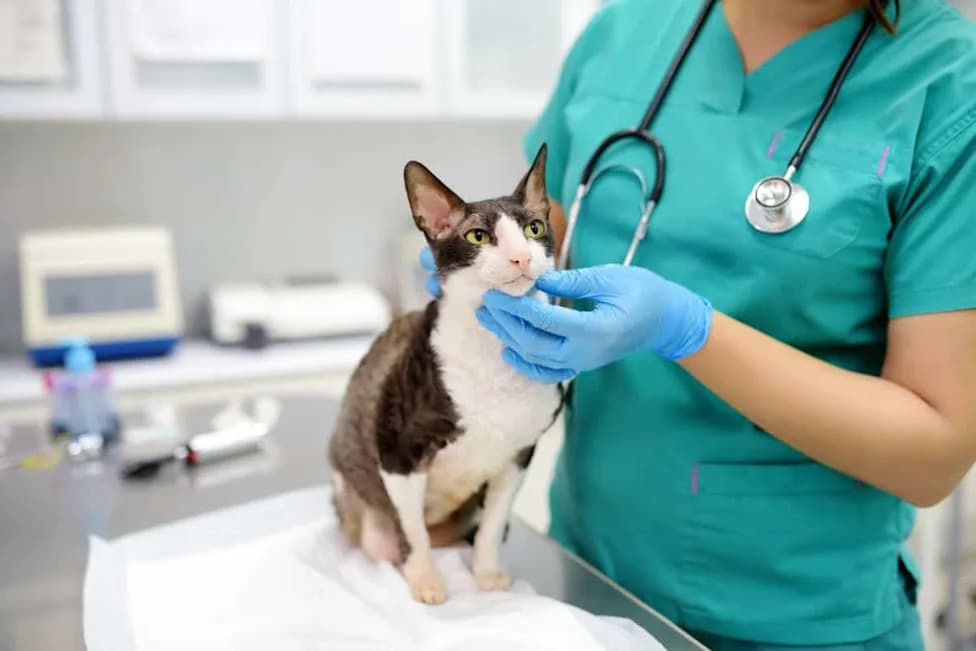
Genomic analysis of 509 animal-derived Acinetobacter baumannii samples from 17 countries shows that strains from companion animals (cats, dogs, horses) are genetically almost identical to human hospital strains, while those from livestock, poultry and wildlife are more distantly related. The team identified international clones such as ST25 recurring in pets and found carbapenem-resistance genes in companion-animal isolates but not in farm or wild animals. Though the study does not prove direct pet-to-human transmission, it highlights a potential zoonotic route and calls for expanded, species-specific surveillance.
Drug-Resistant Acinetobacter May Move Between Pets and People, Study Warns
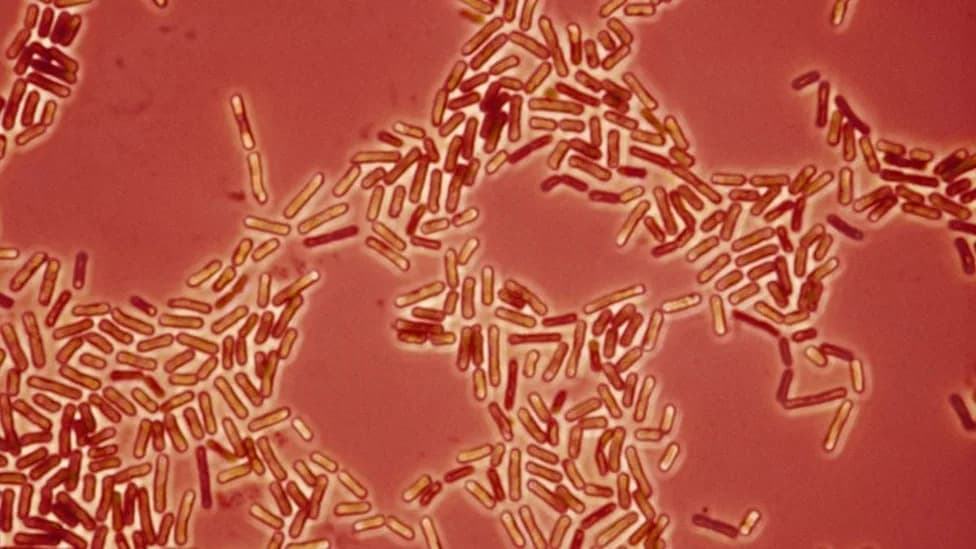
(Clouds Hill Imaging Ltd./Getty Images)
In 2022, veterinary tests on a batch of chicken and duck embryos that failed to hatch in China unexpectedly detected Acinetobacter baumannii, a pathogen the World Health Organization lists as “Priority 1” because many strains resist last‑resort antibiotics. While the poultry isolates in this case were not highly drug resistant, a larger genomic analysis revealed a clearer and more worrying pattern linked to companion animals.
Researchers from Nanjing Agricultural University, Wuhu Institute of Technology and Nanjing University of Chinese Medicine compiled genetic data from 509 animal-derived A. baumannii samples collected across 17 countries and representing 33 species (from white storks to household cats, dogs and horses). They compared these animal genomes with thousands of clinical human genomes from the same regions and included the new poultry sequences.

YouTube Thumbnail
“A. baumannii isolated from animals can be divided into two groups: a high antimicrobial resistance (AMR) group dominated by hosts such as horses, cats, and dogs and a low AMR group dominated by hosts such as livestock, poultry, and wildlife,” the authors wrote in Applied and Environmental Microbiology.
Using international clone designations — the same lineages implicated in hospital outbreaks worldwide — the team found several clinical clones repeatedly appearing in companion animals. One lineage, called ST25, occurred in nine different animal species and was especially common in cats, dogs and horses.
Genetic comparisons showed that strains from cats, dogs and horses were nearly identical to strains infecting nearby hospital patients, with genome similarity typically above 99% and in some cases exceeding 99.5%. By contrast, isolates from livestock, poultry and wildlife were more distant relatives of human hospital strains (about 97–98% similarity).

(NickyLloyd/E+/Getty Images)
Importantly, companion-animal isolates carried two carbapenem-resistance genes — genes that confer resistance to carbapenems, powerful antibiotics reserved for severe human infections and not permitted in livestock production. Those carbapenem-resistance genes were absent from the livestock, poultry and wildlife samples analysed.
These findings do not prove that any given pet directly infected a specific person. Rather, the genetic evidence suggests there have been opportunities for cross-species transmission and that companion animals may represent a closer reservoir of clinically relevant A. baumannii than previously recognised.

Subscribe to ScienceAlert's free fact-checked newsletter
The researchers call for expanded, species-specific surveillance — more sampling of paws, feathers and hooves and of the people who handle these animals — to determine how often and how easily this hospital-associated bacterium moves between animals and humans. For pet owners and veterinary staff, the study reinforces the value of good hygiene, infection-control practices in clinics, and careful antibiotic stewardship.
Study: Applied and Environmental Microbiology. Researchers: Xiangkuan Zheng et al.
Help us improve.